

In every phase of life, we find ourselves surrounded by people family, friends, colleagues, and loved ones. These relationships bring joy, warmth, and a sense of belonging. Yet, amidst the constant buzz of daily life, there comes a time when we need to step back and spend time with ourselves. Solitude, often misunderstood as loneliness, becomes a necessary part of our personal and emotional growth.
While solitude may seem daunting or undesirable initially, it holds immense potential to help us reconnect with ourselves and lead more fulfilling lives.
Solitude is the intentional act of being alone, a conscious choice to spend time in one’s own company. It is not the absence of people but the presence of yourself.
Unlike loneliness, which is often associated with sadness and isolation, solitude is a powerful tool for self-reflection, creativity, and personal growth. In a world that constantly demands our attention, solitude offers a much-needed respite from external distractions.
In the chaos of everyday life, we rarely get the opportunity to sit quietly and reflect on who we truly are. Solitude allows us to:
During these quiet moments, we can connect with our inner selves and gain a clearer understanding of our purpose in life.
Our minds, like our bodies, need rest. Constant social interactions, responsibilities, and pressures can exhaust us mentally. Solitude provides the space to:
Practices like meditation and mindfulness during periods of solitude enhance mental well-being and promote emotional balance.
Some of the world’s most innovative ideas have been born out of solitude. When we are alone, our minds are free to wander, leading to unique insights and creative breakthroughs.
Learning to enjoy solitude builds emotional strength. It teaches us to rely on ourselves for happiness and contentment rather than seeking it from external sources.
Ironically, solitude also strengthens our relationships with others. When we spend time alone:
Solitude may not come naturally to everyone, especially in a society that glorifies busyness and constant connectivity. Here are some ways to make solitude a fulfilling experience:
Dedicate specific moments in your day to be alone. This could be during early mornings for meditation or a quiet evening walk.
Use your solitude to explore hobbies or passions like painting, writing, or gardening.
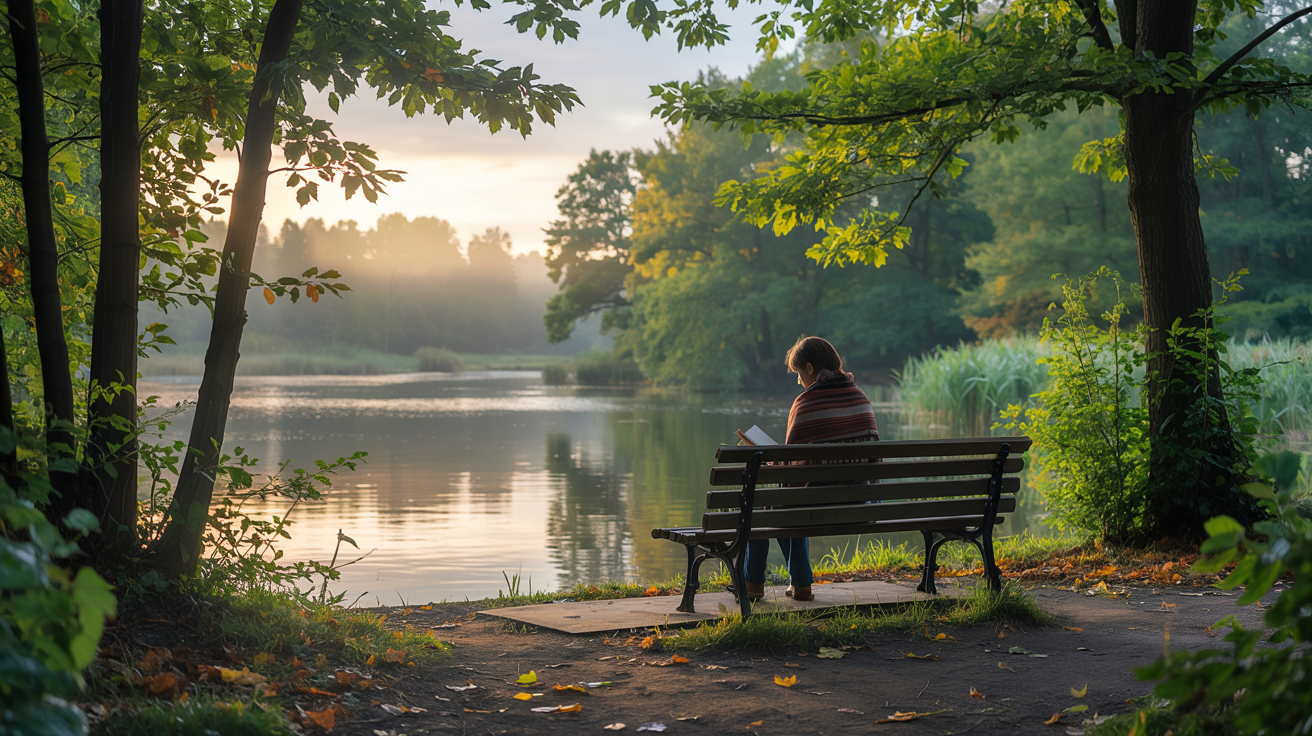
Nature amplifies the beauty of solitude. A walk in the woods, sitting by the sea, or observing the stars can make your alone time more peaceful and rejuvenating.
Step away from phones, laptops, and social media. Solitude is best experienced without the noise of the digital world.
Ask yourself meaningful questions:
Writing in a journal can be an excellent way to organize your thoughts and emotions.
It’s important to distinguish between solitude and loneliness. While solitude is a deliberate and enriching experience, loneliness is often unintentional and emotionally draining.
Solitude is empowering, while loneliness can be disempowering. Understanding this distinction helps us embrace alone time without fear or negativity.
Solitude enhances focus and productivity. It allows for deeper thinking and better problem-solving, making it an essential part of success.
Spending time alone helps maintain mental and emotional well-being. It creates a balance between social commitments and personal needs.
Solitude has been a cornerstone of spiritual practices across cultures. It provides the space to connect with the deeper aspects of life and find meaning and purpose.
For many, the thought of being alone is unsettling. However, solitude becomes a rewarding experience when approached with the right mindset.
Solitude is not just a break from the world—it is a journey into oneself. It teaches us to listen to our inner voice, find clarity in chaos, and cultivate inner peace.
By embracing solitude, we discover that being alone does not mean being lonely. Instead, it is an opportunity to reconnect with our true selves and appreciate the beauty of life from a deeper perspective.
“Solitude is not an absence but a presence—the presence of self-awareness, creativity, and peace.”