The Science-Backed Benefits of Solitude for Mental Health and Creativity.

The Psychological Benefits of Solitude

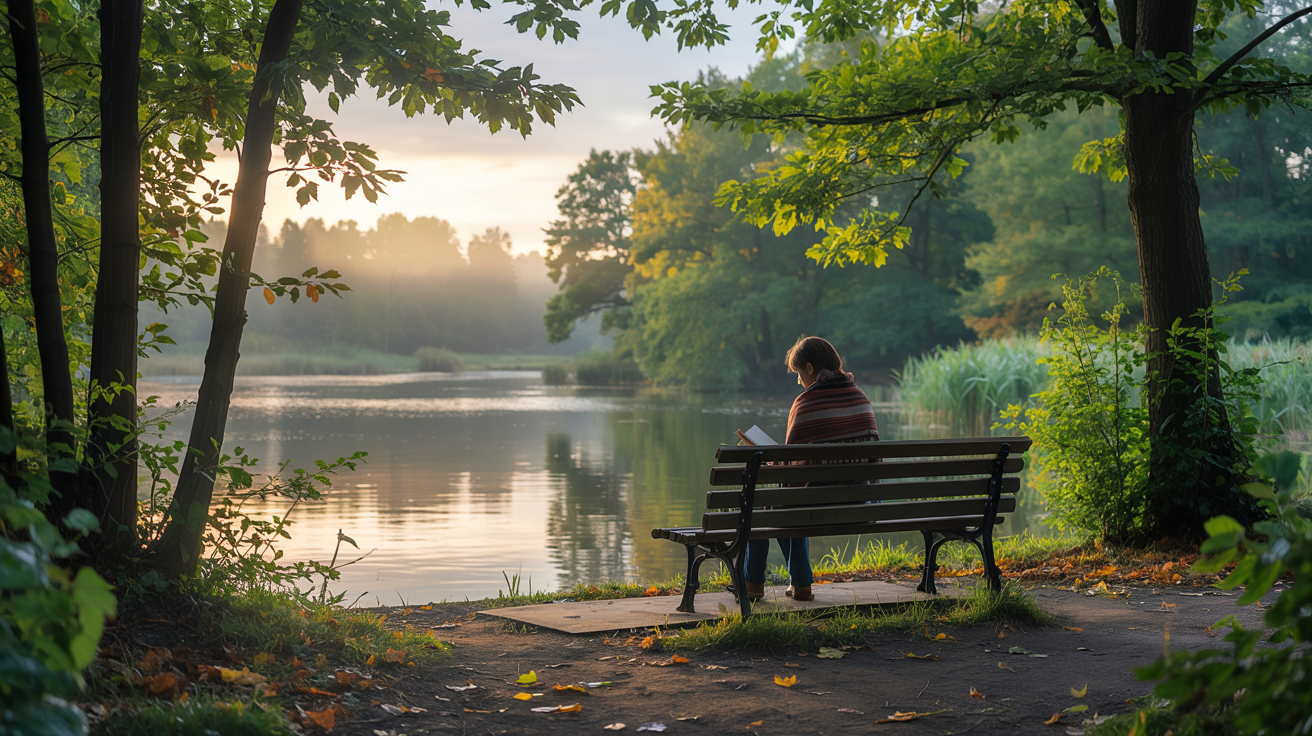
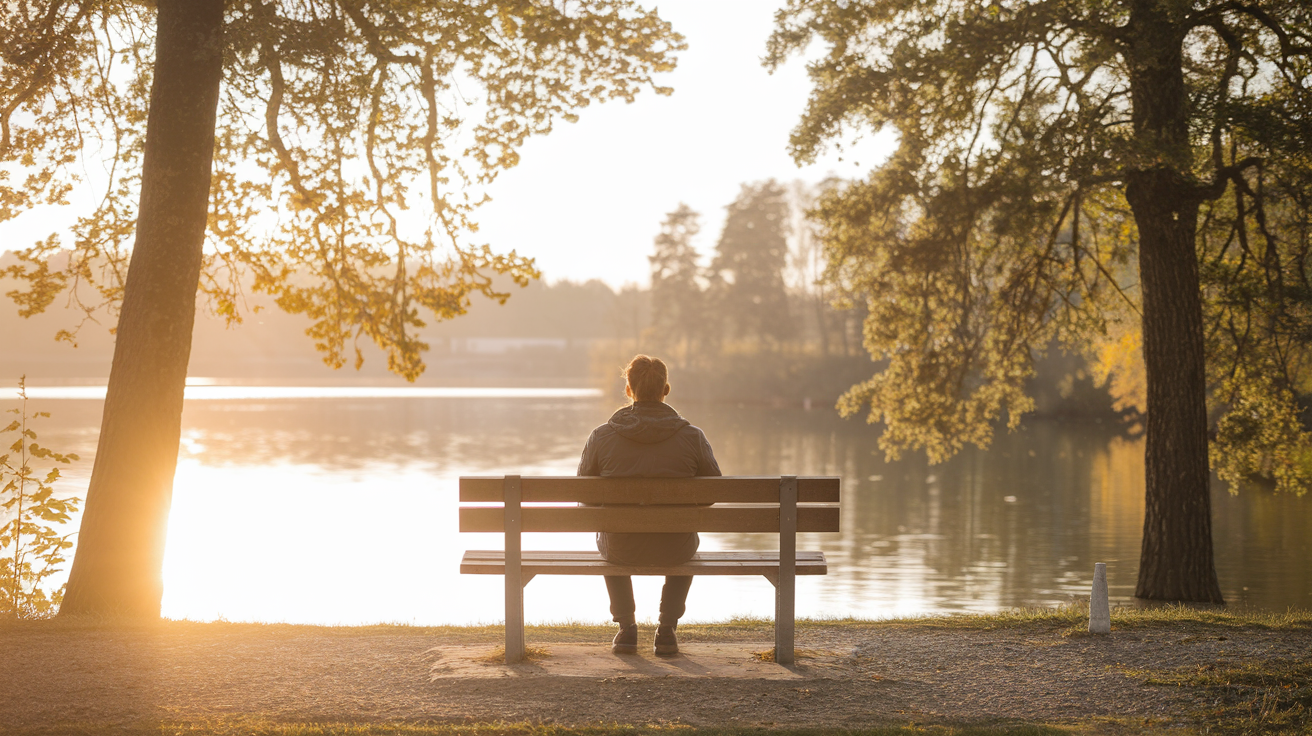
In today's fast-paced world, the benefits of solitude are often overlooked. However, science shows that spending time alone can improve mental health, boost creativity, and reduce stress. In our hyper-connected world, solitude often carries a stigma. Being alone is frequently equated with loneliness or social isolation, both of which have been linked to negative mental health outcomes. However, solitude is not the same as loneliness. When chosen deliberately, solitude can offer profound benefits for both the mind and the body, providing a sanctuary from the noise and busyness of everyday life.


Understanding Solitude: What It Is and What It Is Not

Solitude refers to the intentional choice to spend time alone, disconnected from external influences, allowing for introspection, relaxation, and mental rejuvenation. Unlike loneliness, which is an emotional response to a lack of connection, solitude is an empowering state that fosters growth and healing.

Key distinctions:

  • Solitude: Chosen, empowering, restorative.
  • Loneliness: Involuntary, distressing, emotionally draining.

The Psychological Benefits of Solitude

Enhanced Self-Awareness

Spending time alone allows us to reflect on our thoughts, feelings, and actions. This introspection can lead to:

  • Clarity of Purpose: Understanding personal goals and values.
  • Emotional Regulation: Processing emotions more effectively without external distractions.
  • Strengthened Identity: Developing a sense of self separate from societal expectations.

Studies in psychology highlight that self-awareness cultivated during solitude can enhance decision-making and foster personal growth.


Improved Mental Health

Solitude offers a reprieve from the constant stimulation of social and digital interactions.

  • Reduced Stress Levels: Quiet moments lower cortisol, the stress hormone.
  • Increased Happiness: Solitude provides opportunities to engage in activities that bring joy without external pressures.
  • Alleviation of Anxiety: Time alone can reduce the anxiety associated with overstimulation and social obligations.

A study from the Journal of Personality and Social Psychology found that individuals who regularly spend time alone report greater emotional stability and resilience.


Boosted Creativity

Solitude nurtures creativity by:

  • Encouraging Divergent Thinking: The ability to generate multiple solutions to a problem.
  • Facilitating Daydreaming: A natural process that connects seemingly unrelated ideas.
  • Eliminating Distractions: Focusing the mind on creative pursuits without interruption.

Many great minds, from Albert Einstein to Virginia Woolf, have credited their creative breakthroughs to periods of solitude.


Stronger Emotional Resilience

Time alone strengthens emotional resilience by teaching us to:

  • Rely on Inner Strength: Building confidence in our ability to handle life’s challenges independently.
  • Develop Coping Mechanisms: Learning to manage difficult emotions without external validation.
  • Cultivate Gratitude: Reflecting on life’s positives during quiet moments.

The Physiological Benefits of Solitude

Reduced Stress and Lower Cortisol Levels

When we step away from external demands, our bodies enter a state of relaxation.

  • Solitude activates the parasympathetic nervous system, responsible for the “rest and digest” response.
  • Lower cortisol levels decrease the risk of chronic illnesses like heart disease and diabetes.

Improved Brain Function

Spending time alone can enhance cognitive abilities:

  • Memory Consolidation: Solitude allows the brain to process and store information more effectively.
  • Enhanced Focus: Reduced distractions lead to improved attention and productivity.
  • Neuroplasticity: Quiet moments encourage the brain to form new neural connections, fostering learning and adaptability.

A study published in Nature Neuroscience found that solitude can significantly improve problem-solving abilities and critical thinking.


Better Sleep Patterns

Solitude can improve sleep quality by reducing mental clutter and stress.

  • Evening solitude rituals, such as journaling or meditating, prepare the mind for rest.
  • Disconnecting from screens during alone time regulates melatonin production, improving sleep cycles.

The Role of Solitude in Modern Life

In today’s society, constant connectivity can be overwhelming. Social media, work emails, and the expectation of being “always available” leave little room for solitude. Paradoxically, this hyper-connectivity often results in feelings of disconnection and burnout.

The Digital Detox

Taking time away from screens during solitude offers significant benefits:

  • Reduced Information Overload: Giving the brain a break from excessive data.
  • Enhanced Presence: Being more mindful and engaged in the moment.
  • Improved Mental Clarity: Quiet time away from digital distractions fosters clear thinking.

Workplace Productivity

Solitude in the workplace, often seen as counterproductive, is crucial for deep work.

  • Focus: Quiet spaces allow employees to concentrate without interruptions.
  • Innovation: Solitude sparks creative solutions to complex problems.
  • Well-Being: Periodic alone time reduces workplace stress and improves overall job satisfaction.

The Neuroscience of Solitude

Research in neuroscience sheds light on why solitude is so beneficial:

Default Mode Network (DMN)

When the brain is at rest, it activates the DMN, which is responsible for self-referential thinking, memory consolidation, and creativity.

  • Solitude allows the DMN to function optimally, leading to deeper insights and enhanced problem-solving.

Stress Regulation

Solitude decreases activity in the amygdala, the brain's fear and stress center. This leads to:

  • Lower anxiety levels.
  • Improved emotional regulation.
  • A calmer state of mind.

Practical Steps to Embrace Solitude

Incorporating solitude into daily life doesn’t require drastic changes. Here are simple ways to enjoy its benefits:

Morning Quiet Time

Start your day with 10–15 minutes of silence to set a positive tone.

Solo Walks

Walking in nature or around your neighborhood without distractions like music or podcasts.

Mindfulness Practices

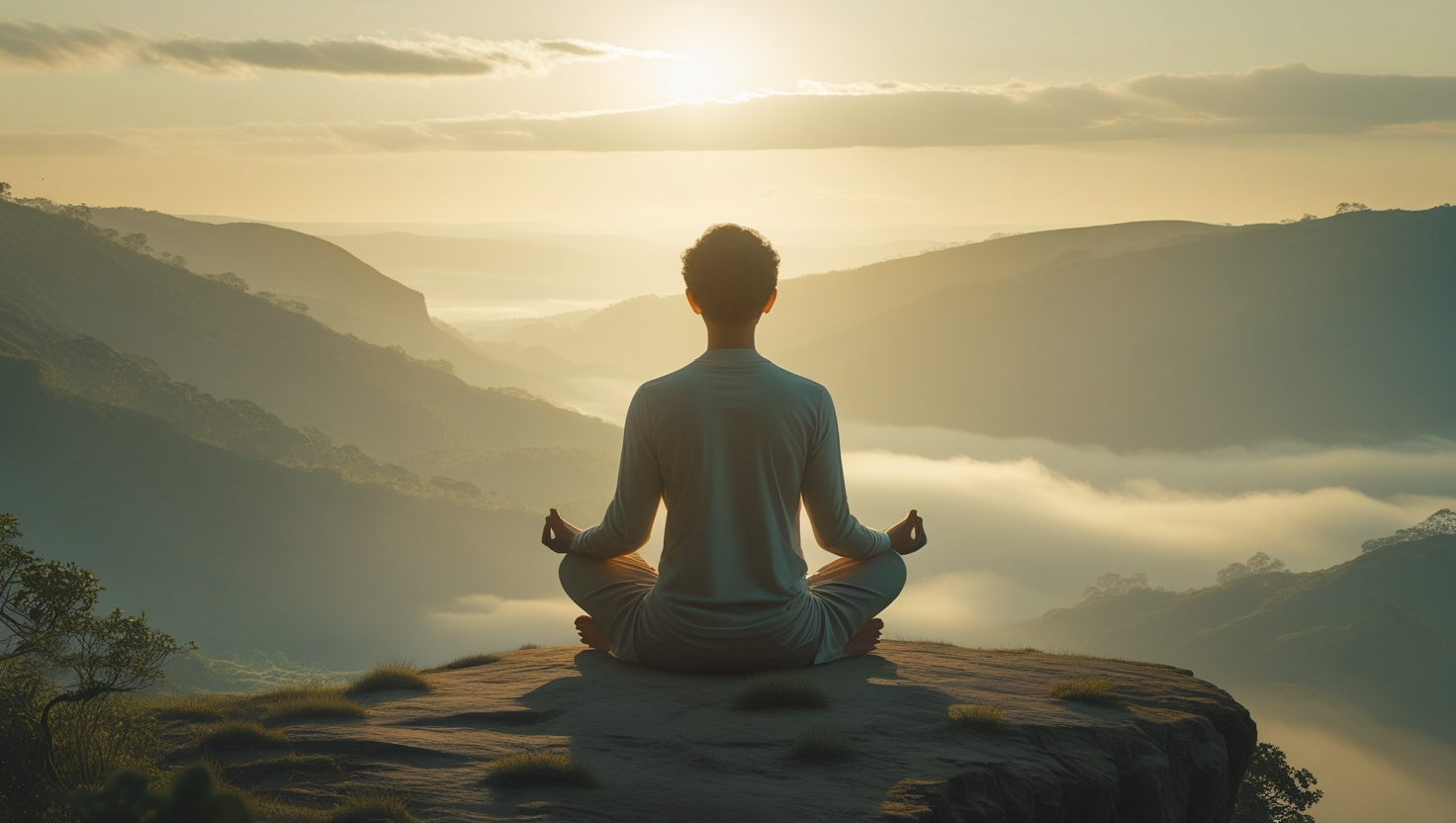
Engage in meditation or deep breathing exercises to center your mind.

Journaling

Write down your thoughts and feelings during periods of solitude to gain clarity and self-awareness.

Create a Solitude Space

Designate a corner of your home for quiet reflection, free from digital distractions.


Real-Life Examples of the Power of Solitude

Steve Jobs and Walking Meetings

Steve Jobs was known for his solitary walks, which he credited with helping him think creatively and make important decisions.

Mahatma Gandhi’s Silent Days

Gandhi practiced a weekly day of silence, using the time for reflection and spiritual rejuvenation.

Thoreau’s Walden Experiment

Henry David Thoreau’s two-year retreat at Walden Pond is a testament to the transformative power of solitude in fostering creativity and personal growth.


Challenges in Embracing Solitude

While solitude offers numerous benefits, it can be challenging to practice in a society that values constant interaction:

Overcoming Discomfort

Being alone may initially feel unsettling. Start small and gradually increase your alone time.

Balancing Solitude and Connection

While solitude is important, maintaining meaningful social connections is equally vital for mental health.

Managing Expectations

Educate friends and family about your need for solitude to avoid misunderstandings.


The Spiritual Dimension of Solitude

Many spiritual traditions emphasize solitude as a path to enlightenment and self-discovery:

  • Buddhist Meditation: Solitude is central to mindfulness and spiritual growth.
  • Christian Monasticism: Monks and nuns use solitude for prayer and reflection.
  • Sufi Practices: Silence and isolation are seen as pathways to divine connection.

These practices underscore solitude’s ability to foster not just mental and physical health, but also spiritual well-being.


Embrace the Power of Solitude

Solitude is not a luxury but a necessity—a tool for cultivating inner peace, clarity, and resilience in a chaotic world. The science behind solitude affirms its profound benefits for mind and body, making it an essential practice for anyone seeking balance and fulfillment. By intentionally incorporating moments of solitude into our lives, we can recharge, refocus, and reconnect with our true selves.

“In solitude, we find ourselves. In finding ourselves, we heal.”

This is a block of text. Double-click this text to edit it.

Leave a Reply

Your email address will not be published. Required fields are marked *

Slow Cooking

Savor the Moment: The Art of Slow Cooking for Peaceful Evenings

In the midst of our hectic lives filled with buzzing notifications, looming ...

Sweat Together, Even Apart: The Social Benefits of Fitness Apps.

In today’s hyper-digital world, loneliness and isolation have become increasingly common issues. ...

Whispers of Wisdom: Life Lessons Found in the Peace of Solitude.

In a world that often glorifies busyness, solitude can seem like a ...

Nourish to Flourish: Practicing Self-Care Through Healthy Eating.

In today’s fast-paced world, self-care often takes a backseat to work, responsibilities, ...

Soup for the Soul: Cozy, Comforting Bowls to Lift Your Spirits.

Nothing soothes the soul quite like a warm bowl of soup. Whether ...

Effortless Elegance: Create a Unique Signature Look Without Overspending.

Style is not about the price tag it’s about confidence, creativity, and ...

Brain Food: How Green Vegetables Boost Mental Clarity and Focus.

In today’s fast-paced world, maintaining sharp mental focus and clarity is essential. ...

Online Therapy: The Role of Technology in Overcoming Loneliness.

Loneliness is more than just a fleeting emotion; it can have serious ...

Wander Alone, Discover More: Solo Backpacking Through Spain & Portugal

Solo backpacking is more than just a journey; it’s a transformative experience ...

The Healing Power of Solitude: Building Emotional Strength Through Alone Time.

In a world filled with noise, expectations, and constant interaction, solitude often ...

Finding Yourself in Silence: How Solitude Brings Personal Clarity.

Many of us feel out of touch with ourselves in a world ...

Top 20 Must-Visit Destinations in Asia: Your Ultimate Travel Guide.

Asia, the largest continent on Earth, is a treasure trove of cultural ...

Discover America: A Travel Enthusiast’s Guide to the Top 10 U.S. Destinations.

The United States is a land of incredible diversity, offering something for ...

Work-Life Harmony Through Solitude: How Alone Time Can Transform Your Balance.

In our modern, fast-paced world, achieving work-life harmony often feels like an ...

Self-Discovery in Silence: The Role of Solitude in Shaping Identity

In an increasingly connected world, silence and solitude are often seen as ...
magnifiercross