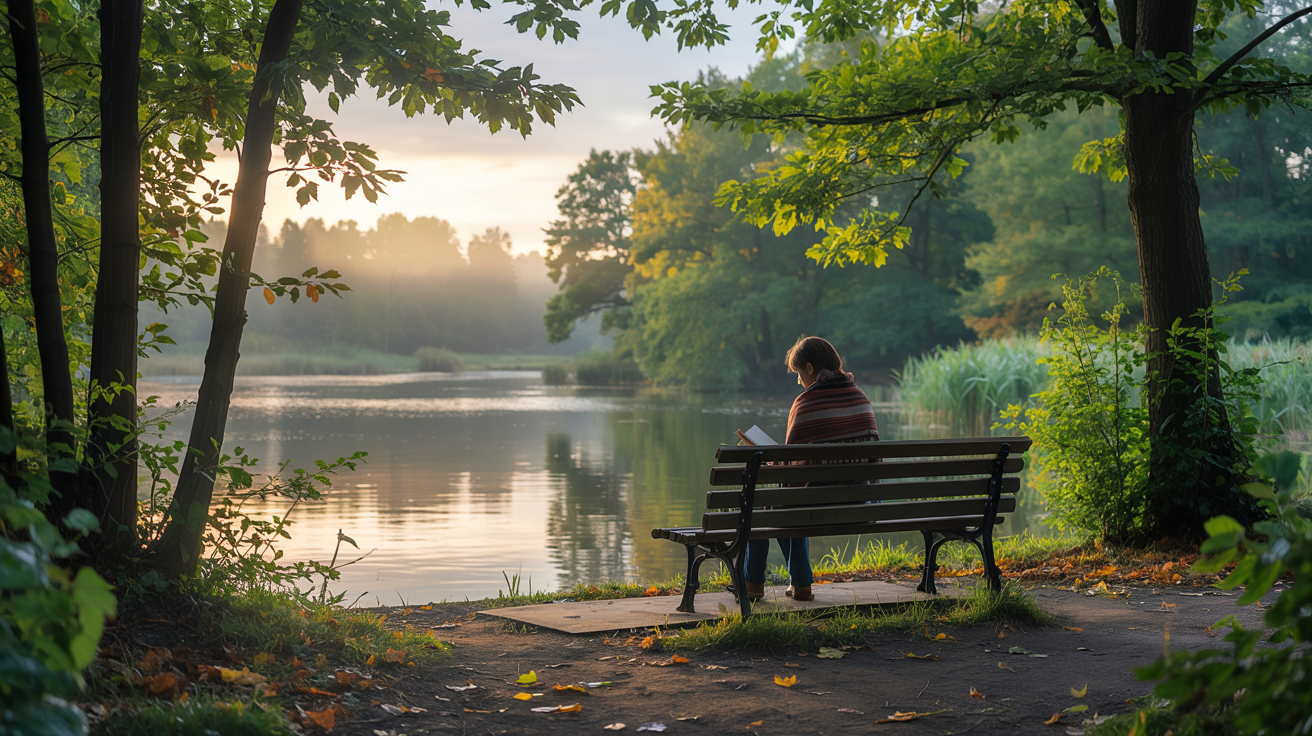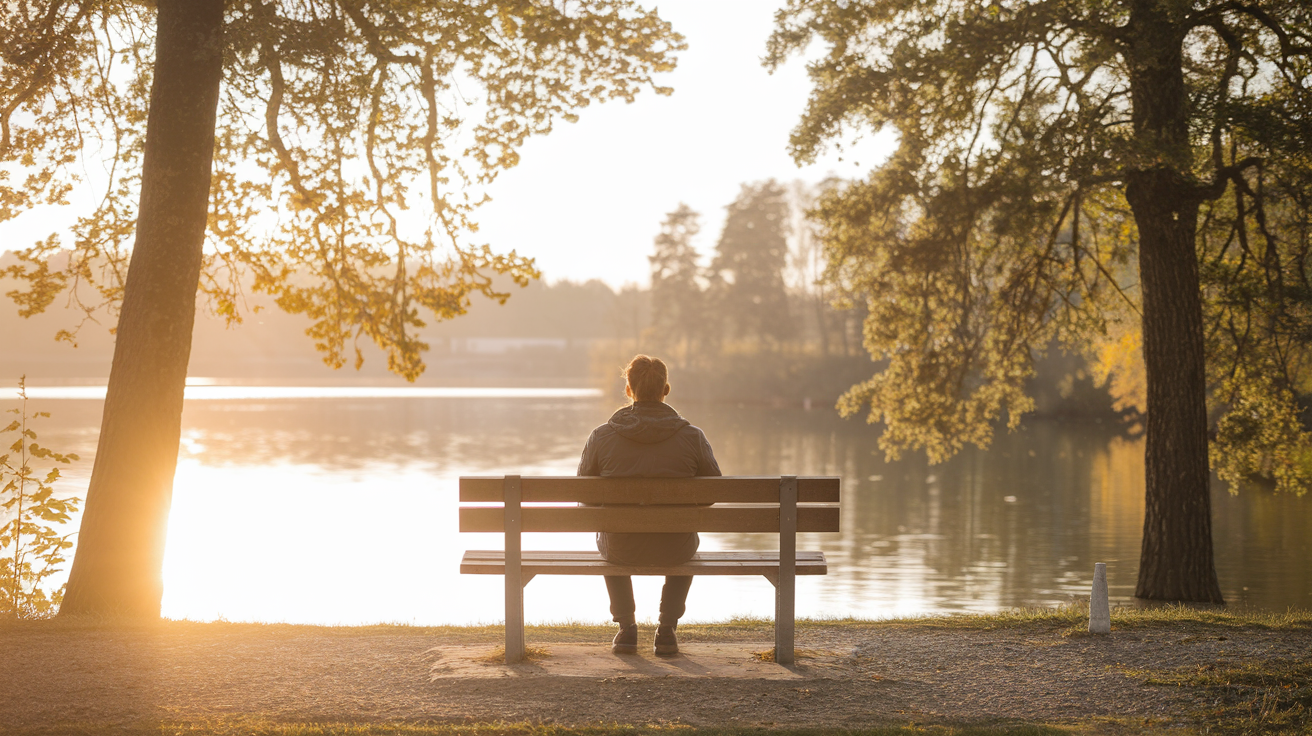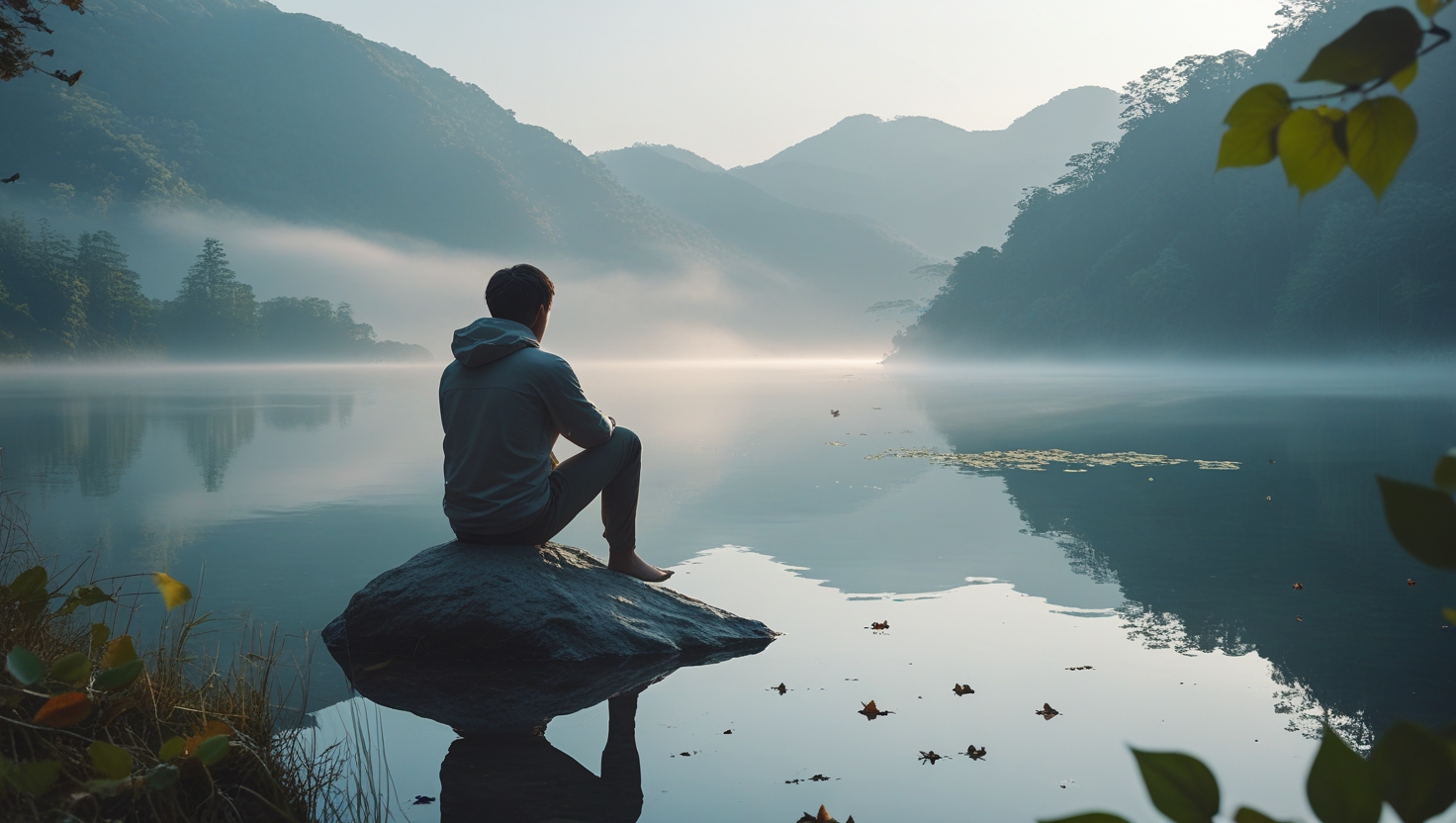


In a world that constantly encourages connection, the concept of solitude can seem alien or even uncomfortable. We live in a time where distraction is abundant, and silence often feels like an anomaly. Yet, beneath the surface of solitude lies a transformative power—one that nurtures self-growth, enhances creativity, and fosters inner peace. Embracing solitude is an art, a conscious act of turning inward to discover who we are without the noise of the outside world.
Many confuse solitude with loneliness, but the two are distinct. Loneliness is a feeling of emptiness, a yearning for a connection that isn’t met. Solitude, on the other hand, is a choice—a deliberate retreat into oneself. It is not isolation but rather an opportunity for introspection and renewal. In solitude, we find the space to explore our thoughts, understand our emotions, and reconnect with our authentic selves.
In ancient times, philosophers like Aristotle and Seneca extolled the virtues of solitude. They believed it was essential for wisdom, clarity, and self-mastery. Solitude allows us to become comfortable with our own company, shedding the need for constant validation from others.
In the quiet moments of solitude, we are free to reflect on our lives without external influence. We can ask ourselves important questions:
These questions lead to profound insights, helping us align our actions with our deeper purpose.
Solitude fuels creativity. When we step away from the noise of the world, we give our minds the freedom to wander, explore, and innovate. Many great writers, artists, and thinkers, from Virginia Woolf to Nikola Tesla, found their most brilliant ideas in solitude. It is in the quiet spaces that the imagination flourishes.
Being alone allows us to sit with our emotions, processing them fully rather than suppressing or distracting ourselves from them. This practice enhances emotional resilience, teaching us to manage stress, anxiety, and fear with greater ease.
Solitude nurtures self-reliance. By spending time alone, we develop confidence in our ability to solve problems and make decisions independently. This sense of autonomy is crucial for personal empowerment and growth.
For many, the idea of being alone is daunting. We often fill our lives with constant activity to avoid facing the discomfort of our own thoughts. However, embracing solitude requires us to confront this fear and move beyond it.
Acknowledge the discomfort you feel when alone. Ask yourself: Why am I afraid to be by myself? Often, the fear stems from unresolved emotions or a fear of inadequacy. Understanding the root of the fear is the first step in overcoming it.
Start small. Dedicate a few minutes each day to solitude. Turn off your devices, find a quiet space, and simply sit with yourself. Gradually increase this time as you grow more comfortable with the stillness.
Treat yourself with kindness during these moments of solitude. If difficult thoughts or emotions arise, acknowledge them without judgment. Remember that growth often comes from sitting with discomfort and allowing it to pass.
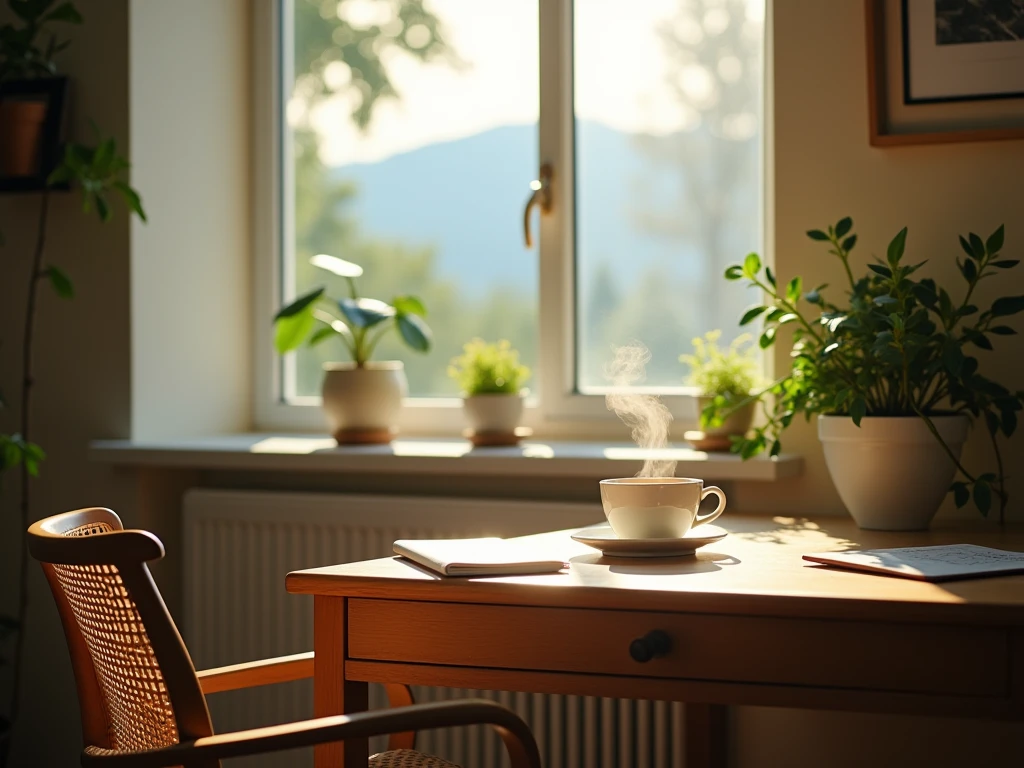
Designate a space in your home for solitude—a cozy nook, a meditation corner, or a spot by the window. Fill it with things that bring you peace: soft cushions, candles, or plants. Let this be a place where you can retreat to recharge.
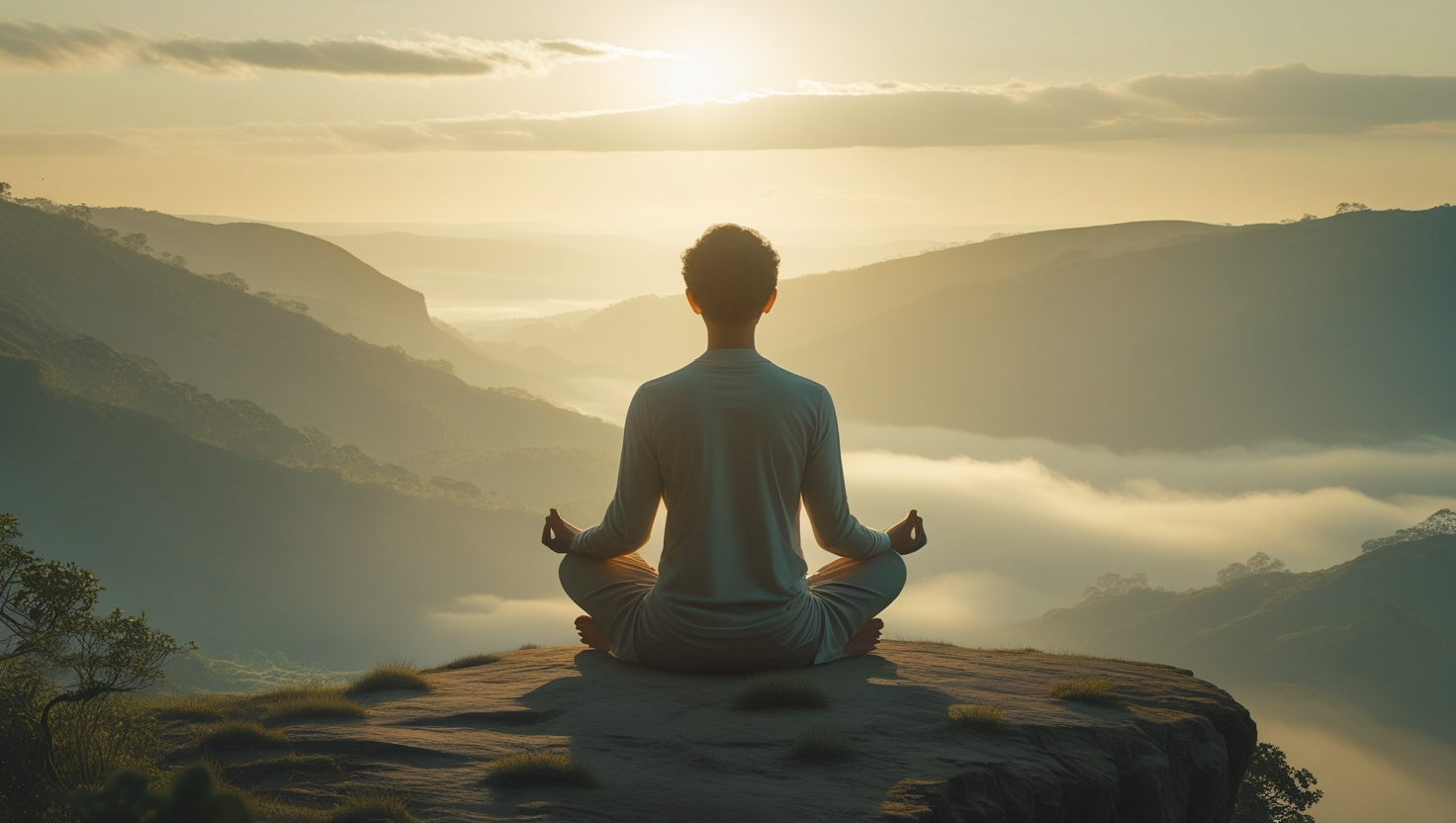
Journaling, meditation, and mindful walks are powerful ways to cultivate solitude. Journaling allows you to explore your thoughts and feelings in depth, while meditation helps you center yourself in the present moment. Walking in nature, without distractions, can also be deeply restorative.
Set aside time each day to disconnect from technology. Turn off your phone, log out of social media, and let yourself be fully present. Use this time to engage in activities that bring you joy, such as reading, painting, or simply daydreaming.
Consider taking a solitude retreat—a weekend or even a single day dedicated entirely to being alone. Retreats can be transformative, offering a chance to step away from daily responsibilities and immerse yourself in reflection and renewal.
Once you’ve begun to embrace solitude, the challenge becomes integrating it into your everyday life. Solitude doesn’t require hours of isolation; even brief moments can be powerful.
Start your day with a few minutes of quiet reflection. Whether through meditation, deep breathing, or simply sitting in silence with a cup of tea, these moments set a peaceful tone for the day ahead.
Throughout the day, take mindful breaks to check in with yourself. Pause between tasks to breathe deeply, stretch, or sit quietly. These moments of solitude help you stay grounded and centered.
End your day with a few minutes of reflection. Consider what you learned, what you’re grateful for, and how you want to grow. This practice helps you process the day’s events and prepares you for restful sleep.
As you cultivate the art of solitude, you will begin to notice subtle yet profound changes. You may feel more attuned to your inner voice, more confident in your decisions, and more at peace with who you are. Solitude is not a withdrawal from life but an immersion into the richness of your inner world.
It teaches us that we are whole and complete in ourselves. By embracing solitude, we discover that the answers we seek are often already within us, waiting to be heard.
The art of embracing solitude is a lifelong journey, one that evolves as we grow. It requires patience, courage, and a willingness to face ourselves fully. But the rewards are immeasurable: a deeper understanding of who we are, a stronger connection to our inner wisdom, and the freedom to live authentically.
In a world that often values noise and busyness, let us reclaim the beauty of stillness. Let us find peace in the quiet, strength in solitude and growth in the vast expanse of our own company.