

In today’s digital age, social media has transformed how we interact, communicate, and form relationships. Platforms like Facebook, Instagram, Twitter (now X), and TikTok offer more than just entertainment they have become lifelines for staying connected and combating loneliness. However, while social media offers numerous benefits for fostering connection, it also presents challenges. Understanding how to use these platforms effectively can help individuals leverage them to maintain meaningful connections and overcome feelings of isolation.
Social media is often seen as a double-edged sword when it comes to combating loneliness. On one hand, it provides tools for instant communication, enabling people to connect with loved ones and engage with communities worldwide. On the other hand, excessive or superficial use can lead to feelings of disconnection, envy, or even anxiety.
Positive Aspects of Social Media:
Instant Communication: Stay in touch with family and friends across distances.
Community Building: Join groups based on shared interests or experiences.
Emotional Support: Find encouragement and empathy during difficult times.
Creative Expression: Share personal stories, art, or achievements.
Negative Aspects of Social Media:
Comparison Culture: Seeing curated lives can lead to feelings of inadequacy.
Shallow Interactions: Superficial engagement can leave users feeling unfulfilled.
Digital Overload: Excessive screen time can exacerbate feelings of loneliness.
The key to using social media to combat loneliness lies in intentional, mindful use and focusing on genuine connection rather than passive consumption.
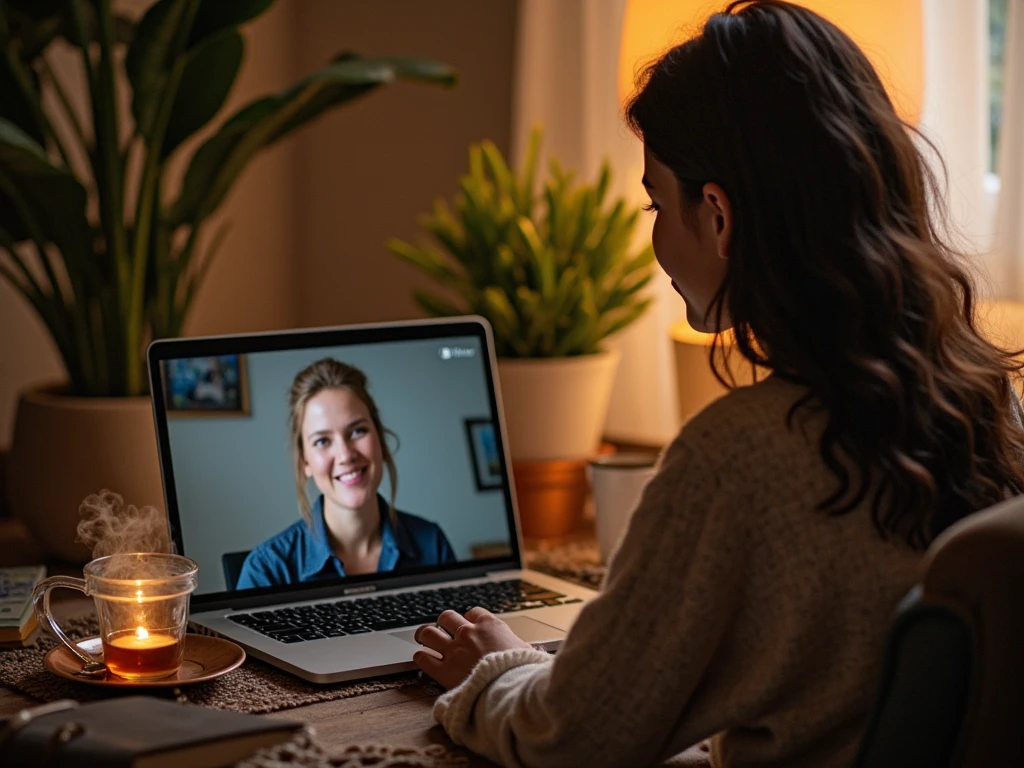
Social media can be a powerful tool for maintaining existing relationships and forging new ones. Unlike traditional forms of communication, social media offers a space for ongoing engagement that can strengthen bonds over time.
Example: A study found that regular engagement with close friends on social media can help maintain the same levels of connection as face-to-face interaction, particularly for those who live far apart.
One of social media’s greatest strengths is its ability to bring people with shared interests together. Whether it’s a Facebook group for book lovers, a Reddit community for mental health support, or a Twitter thread about a hobby, these platforms create spaces where individuals can find like-minded people and feel a sense of belonging.
Example: Platforms like Discord and Reddit have become havens for niche communities, where users can find friends who share their passions, whether it's discussing anime or learning a new skill like coding.
Social media platforms like Instagram, TikTok, and YouTube provide outlets for creative expression. For many, sharing their art, photography, or thoughts can lead to a sense of connection and validation from a global audience. Engaging in these creative activities not only combats loneliness but also enhances self-esteem.
Example: TikTok’s algorithm connects users with similar interests, allowing creators to form micro-communities where they feel seen and heard, creating a buffer against loneliness.
Social media platforms have adapted to accommodate virtual events, such as live streams, webinars, and online meetups. These events offer opportunities for people to interact in real-time, reducing feelings of isolation.
Example: During the pandemic, virtual concerts and live Q&A sessions helped people stay connected with their favorite artists and creators, creating a shared experience that mitigated feelings of isolation.
Engaging in meaningful conversations is more important than the number of followers or likes. Prioritize interactions with those who genuinely care about you rather than focusing on vanity metrics.
While social media can help combat loneliness, excessive use can lead to burnout or a sense of detachment. Set clear boundaries around when and how you use social media.
Authenticity is key to forming real connections. Share your thoughts, struggles, and joys honestly to create genuine relationships.
Seek out communities that align with your interests or experiences. If you can’t find one, consider creating your own group or page to foster connection.
Social media can be a great tool for strengthening offline connections. Use it as a way to stay in touch and plan real-world interactions.
While social media can help alleviate loneliness, it’s important to acknowledge its impact on mental health. Studies have shown that mindful use can be beneficial, but overuse or misuse can contribute to anxiety, depression, and increased feelings of isolation.
Balancing Social Media Use for Mental Health:
Social media offers an incredible opportunity to stay connected and combat loneliness, but it must be used thoughtfully and intentionally. By focusing on genuine interactions, engaging in supportive communities, and maintaining a healthy balance, individuals can leverage social media to build meaningful connections that enrich their lives.
In a world where physical distance can often separate us, social media can bridge the gap, providing a space for connection, empathy, and shared experiences. When used mindfully, it has the power to transform loneliness into a sense of belonging, reminding us that we are never truly alone in the digital age.