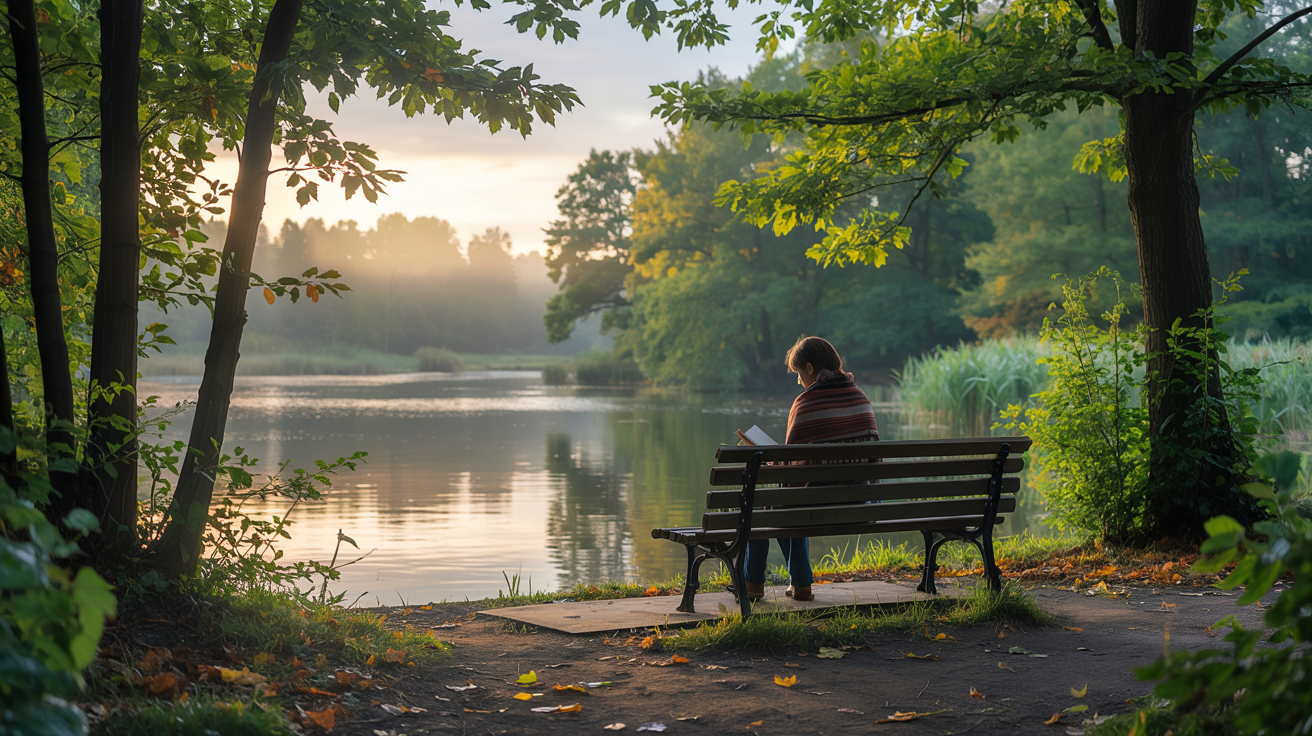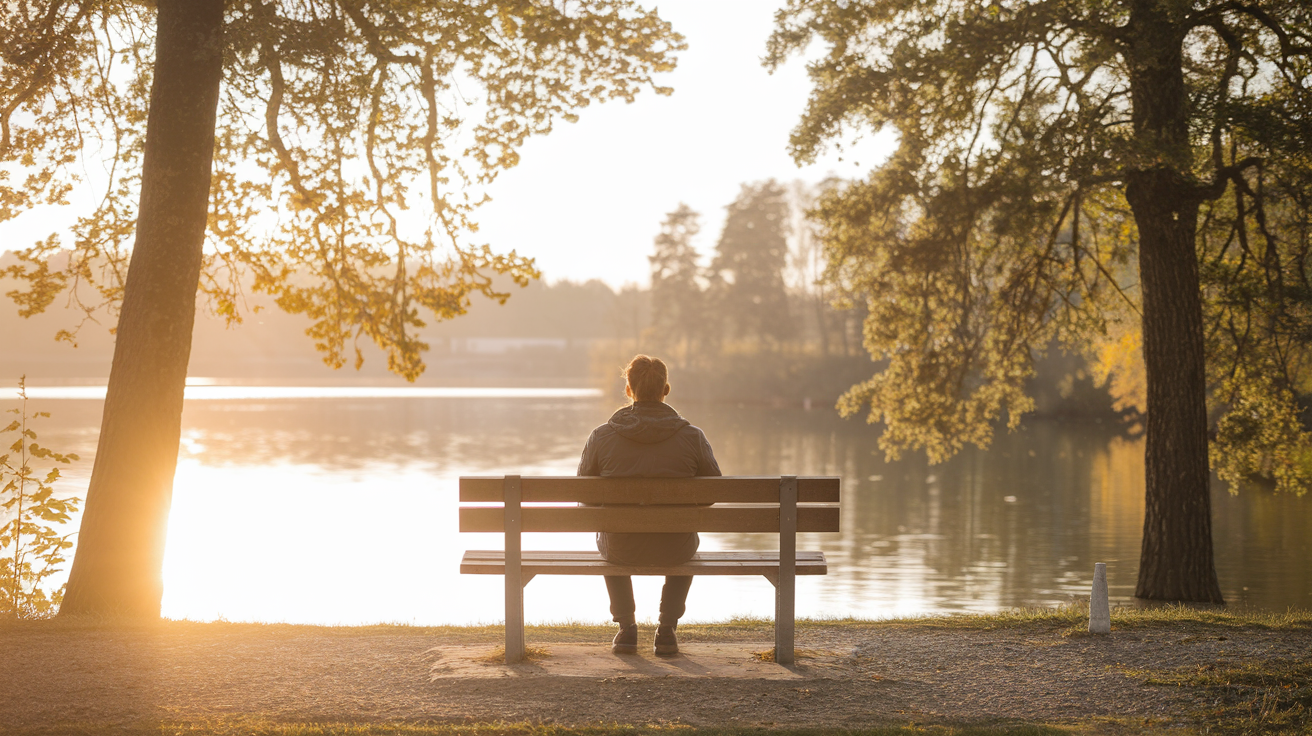



In an era dominated by constant connectivity and relentless social interaction, the concept of solitude often seems foreign or even undesirable. Yet, solitude—the deliberate choice to spend time alone—has been cherished by philosophers, artists, and thinkers throughout history. Far from being a state to be feared, solitude can be a powerful tool for personal growth, creativity, and inner peace.
One of the biggest misconceptions about solitude is its confusion with loneliness. While both involve being alone, their emotional and psychological impacts are vastly different.
While loneliness can harm mental health, solitude, when embraced intentionally, can enhance well-being and bring clarity.
Solitude provides the space to reflect on thoughts, emotions, and life experiences. Without the noise of others’ opinions, we can examine our desires, fears, and goals more clearly. This introspection fosters self-awareness, helping us understand who we are and what we want from life.
Self-reflection practices during solitude:
Many creative breakthroughs occur in solitude. Without external distractions, the mind can wander freely, exploring new ideas and connections. History is replete with examples of artists, writers, and innovators who sought solitude to fuel their creativity.
Examples:
Solitude encourages divergent thinking, allowing for unique solutions and innovative ideas to emerge.
Spending time alone builds emotional strength by teaching us to rely on our internal resources. In solitude, we learn to face challenges, process emotions, and develop coping mechanisms independently.
Benefits for emotional health:
Solitude removes distractions, creating an environment conducive to deep thinking and concentration. In a world filled with constant notifications and interruptions, this focused state can be incredibly refreshing.
Solitude allows for:
Many spiritual traditions emphasize the importance of solitude for personal and spiritual development. Whether through meditation, prayer, or silent retreat, solitude is seen as a pathway to deeper understanding and enlightenment.
Examples of spirituality:
Solitude helps us connect with a sense of inner peace, fostering a profound sense of calm and serenity.
Despite its many benefits, solitude is often misunderstood. Let’s debunk some common myths:
Embracing solitude doesn’t require grand gestures or prolonged isolation. Simple, intentional practices can help integrate solitude into daily life:
Set aside a specific time each day for quiet reflection, even if it’s just 10–15 minutes. This could be in the morning, during a lunch break, or before bed.
Limit screen time and create tech-free zones to minimize distractions. Use this time to read, write, or simply sit in silence.
Walking alone, especially in nature, can be a powerful way to clear the mind and connect with oneself. Leave devices behind and focus on the sights, sounds, and sensations around you.
Mindfulness practices like meditation or deep breathing help cultivate awareness and presence, making solitude a rich and fulfilling experience.
Writing in a journal can be a therapeutic way to process thoughts and emotions. It helps clarify feelings and provides a tangible record of personal growth.
Embracing solitude can be challenging, especially in a society that values constant interaction. Here are common challenges and solutions:
Regularly practicing solitude can have profound long-term effects on your life:
Solitude is an art—one that requires practice, patience, and intention. Far from being a state of isolation or loneliness, solitude is a gift that allows us to reconnect with ourselves, foster creativity, and find peace in the stillness.
By embracing solitude, we gain the clarity, strength, and serenity needed to navigate the complexities of life with grace and resilience. In the quiet moments of solitude, we discover not only who we are but who we are meant to become.
"In solitude, we find ourselves. In finding ourselves, we find peace."