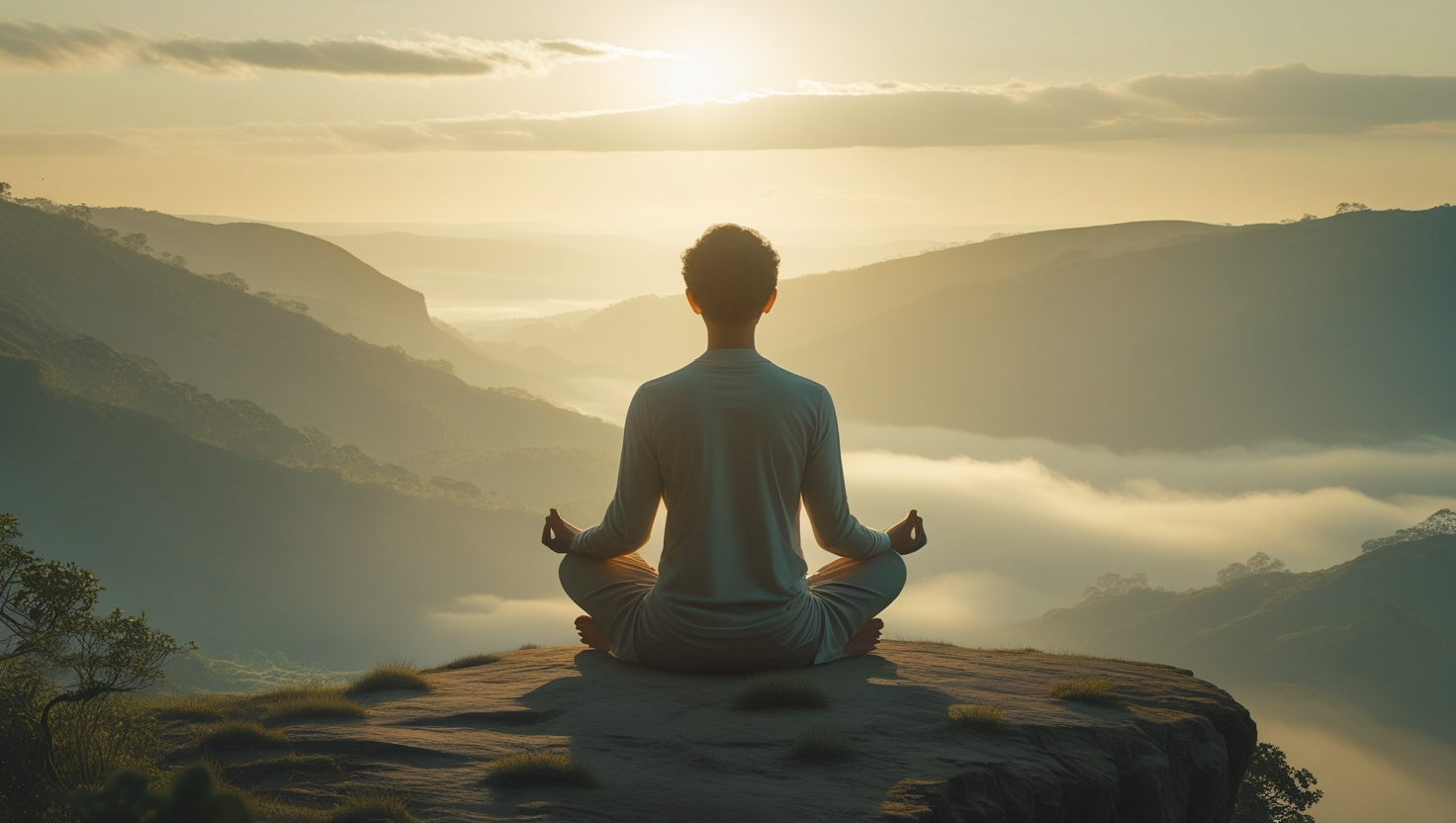


In today’s hyper-connected world, we are inundated with endless streams of information, notifications, and social interactions. While connectivity offers many benefits, it often comes at the cost of mental clarity. In contrast, solitude—time spent intentionally alone—can serve as a powerful antidote, providing the space necessary for clear thinking, self-reflection, and inner peace.
Solitude is not merely the absence of social interaction; it is the presence of self-awareness. It allows the mind to pause, process, and reset. Unlike loneliness, which is often marked by feelings of isolation and sadness, solitude is a deliberate choice to step away from the noise of the world and connect deeply with oneself.
Choosing solitude provides the mental space necessary to sift through thoughts, emotions, and experiences without distraction, fostering a sense of mental clarity that is difficult to achieve in constant company.
Neuroscientists have identified a brain network called the Default Mode Network (DMN) that becomes active during periods of rest and introspection. When we are not actively engaged in tasks or conversations, the DMN allows us to:
Solitude activates the DMN, enabling deeper thinking and emotional processing. This mental “downtime” is crucial for gaining insights and clarity.
Constant stimulation from social interactions, media, and multitasking leads to cognitive overload, making it difficult to focus or think clearly. Solitude provides a break from this mental noise, allowing the brain to rest and reorganize.
Research shows that periods of solitude can:
Solitude provides the perfect environment for self-reflection, enabling individuals to examine their thoughts, emotions, and motivations without external interference. This introspection leads to greater self-awareness and a clearer understanding of one’s values, goals, and desires.
Benefits of self-reflection:
Solitude helps individuals process and regulate their emotions more effectively. By stepping away from external stimuli, people can explore their feelings without judgment, leading to greater emotional clarity and stability.
How solitude aids emotional regulation:
Many of history’s greatest creative minds, from Albert Einstein to Virginia Woolf, have extolled the virtues of solitude. Time alone allows the mind to wander freely, fostering creativity and innovation.
Creativity thrives in solitude because:
Solitude creates the mental space needed to analyze problems from multiple angles and develop innovative solutions. Without the pressure of immediate feedback, individuals can approach challenges with greater patience and creativity.
Solitude enhances problem-solving by:
Make solitude a daily priority by setting aside specific times for quiet reflection. Even 10–15 minutes of intentional alone time can have significant benefits for mental clarity.
Tips:
Constant connectivity can cloud the mind and prevent true solitude. Create boundaries around technology use to allow for uninterrupted thinking.
Ideas for digital detox:
Mindfulness and meditation are powerful tools for cultivating mental clarity during solitude. These practices help quiet the mind, increase awareness, and promote a sense of calm.
Simple mindfulness practices:
Spending time alone in nature enhances mental clarity by reducing stress and promoting a sense of peace. Nature’s beauty and tranquility provide the perfect backdrop for reflection and rejuvenation.
Ideas for solitude in nature:
Writing down your thoughts and feelings can help organize your mind and gain clarity. Journaling provides a tangible way to process emotions, reflect on experiences, and track personal growth.
Journal prompts for clarity:
Many people avoid solitude because they fear boredom or discomfort. However, boredom can be a gateway to creativity and deeper thinking.
Solution:
Society often values busyness and constant social interaction, making it difficult to prioritize solitude.
Solution:
Many people struggle with racing thoughts when they are alone.
Solution:
Consistently practicing solitude can lead to profound, lasting changes in mental clarity and overall well-being. Over time, individuals who embrace solitude may experience:
Solitude is not a luxury but a necessity for a clear, focused mind. By intentionally spending time alone, we create the space needed to process thoughts, reflect on experiences, and cultivate a sense of inner peace. In a world that constantly demands our attention, solitude offers a rare and valuable opportunity to reconnect with ourselves and find clarity amidst the noise.
Embrace solitude, and discover the profound mental clarity it brings—clarity that can transform not only how you think but how you live.
"In the silence of solitude, the mind finds its true voice."