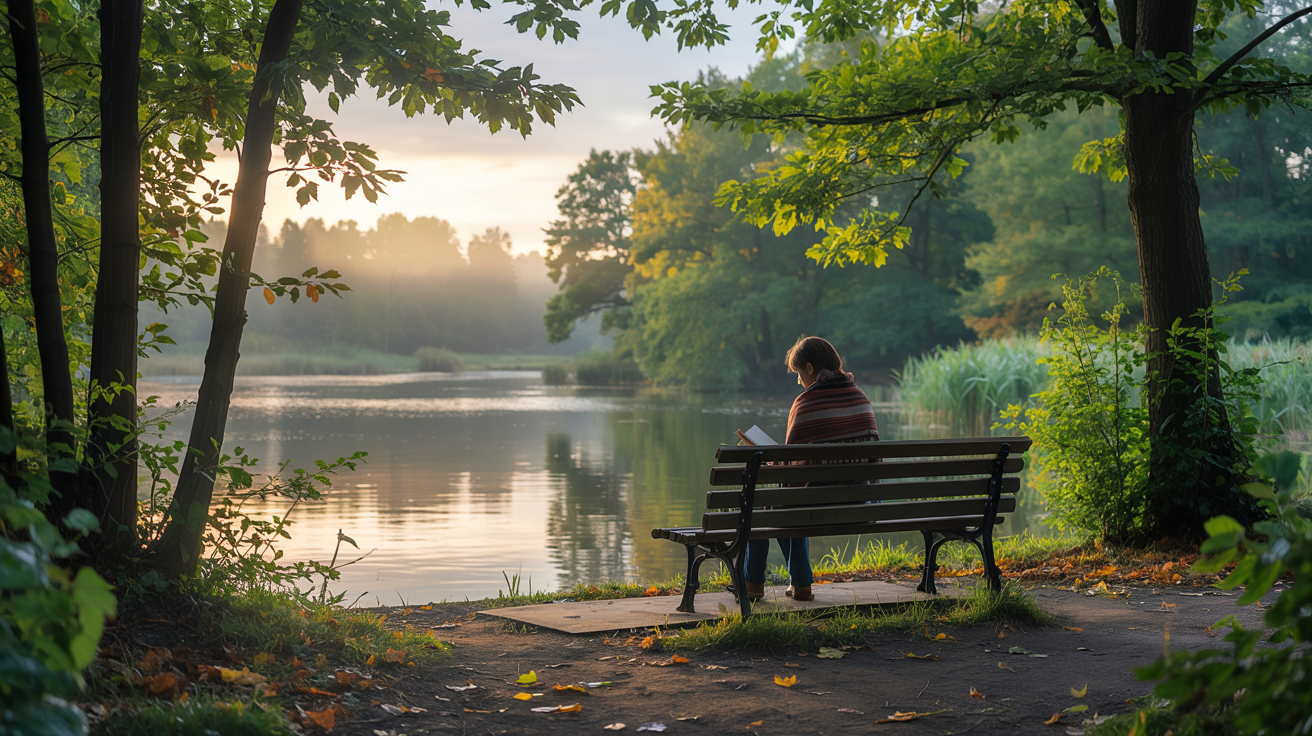
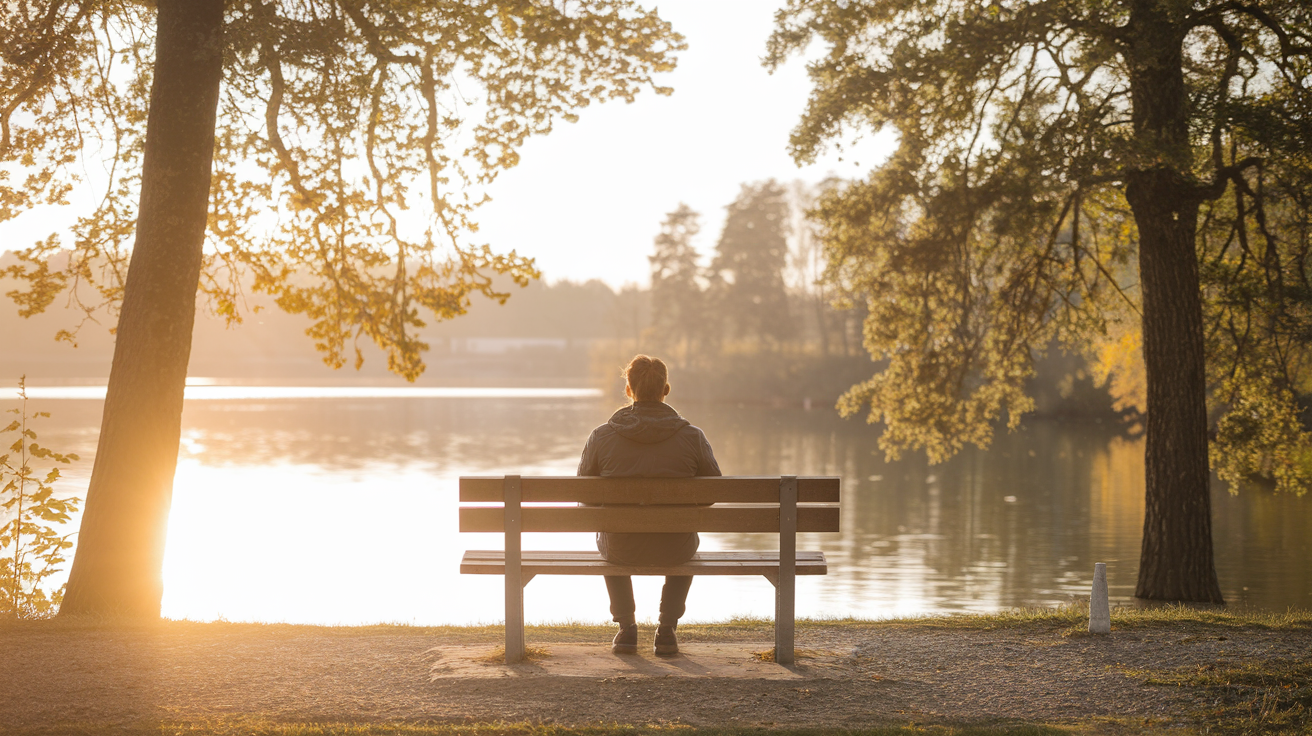
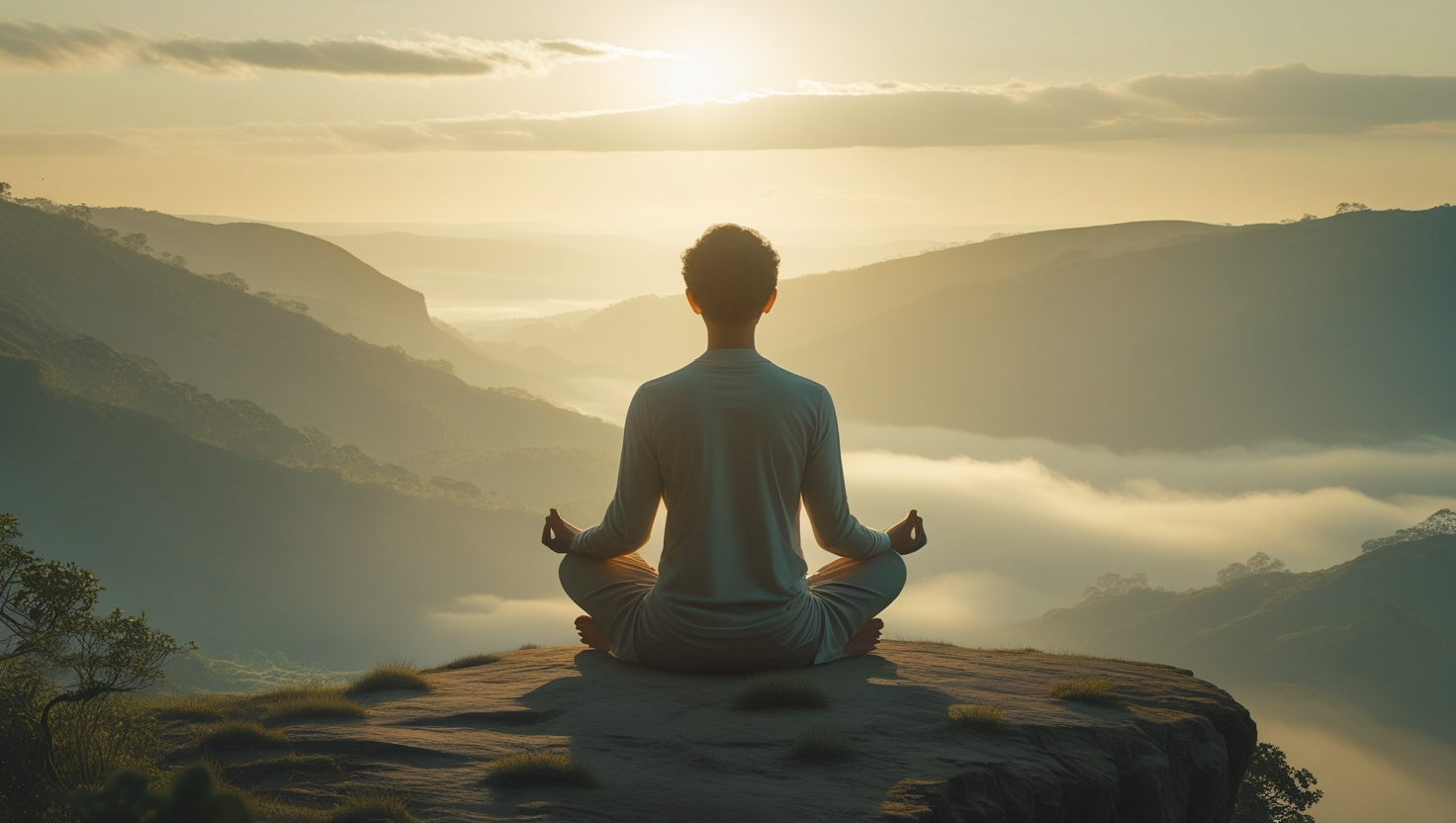
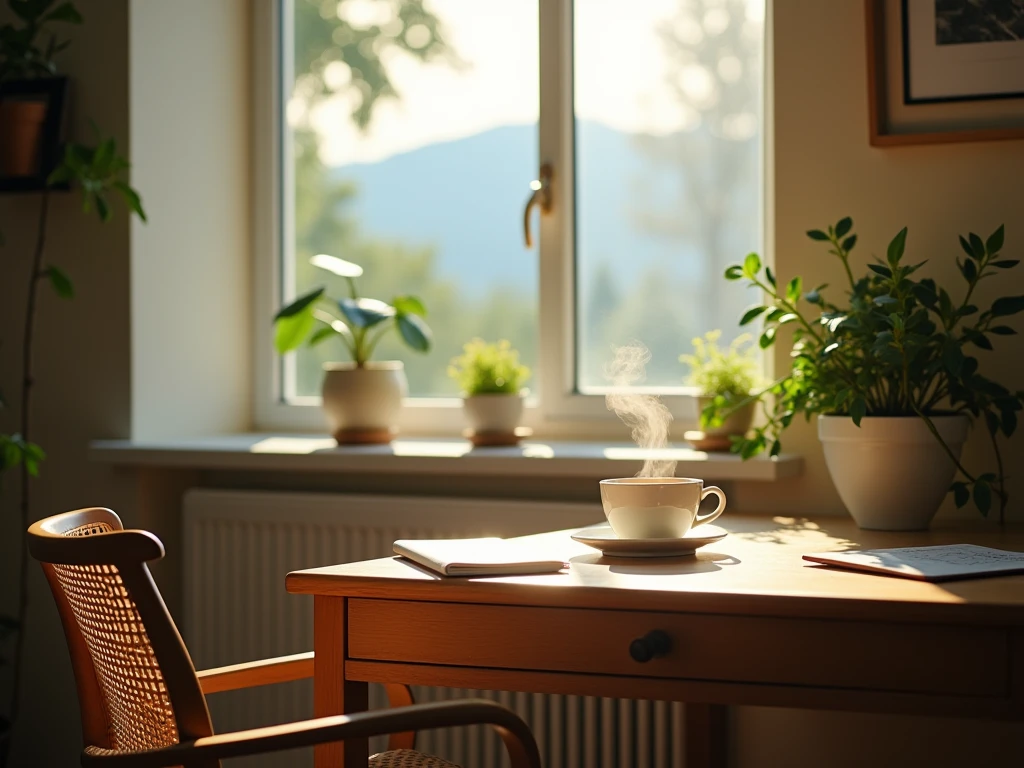
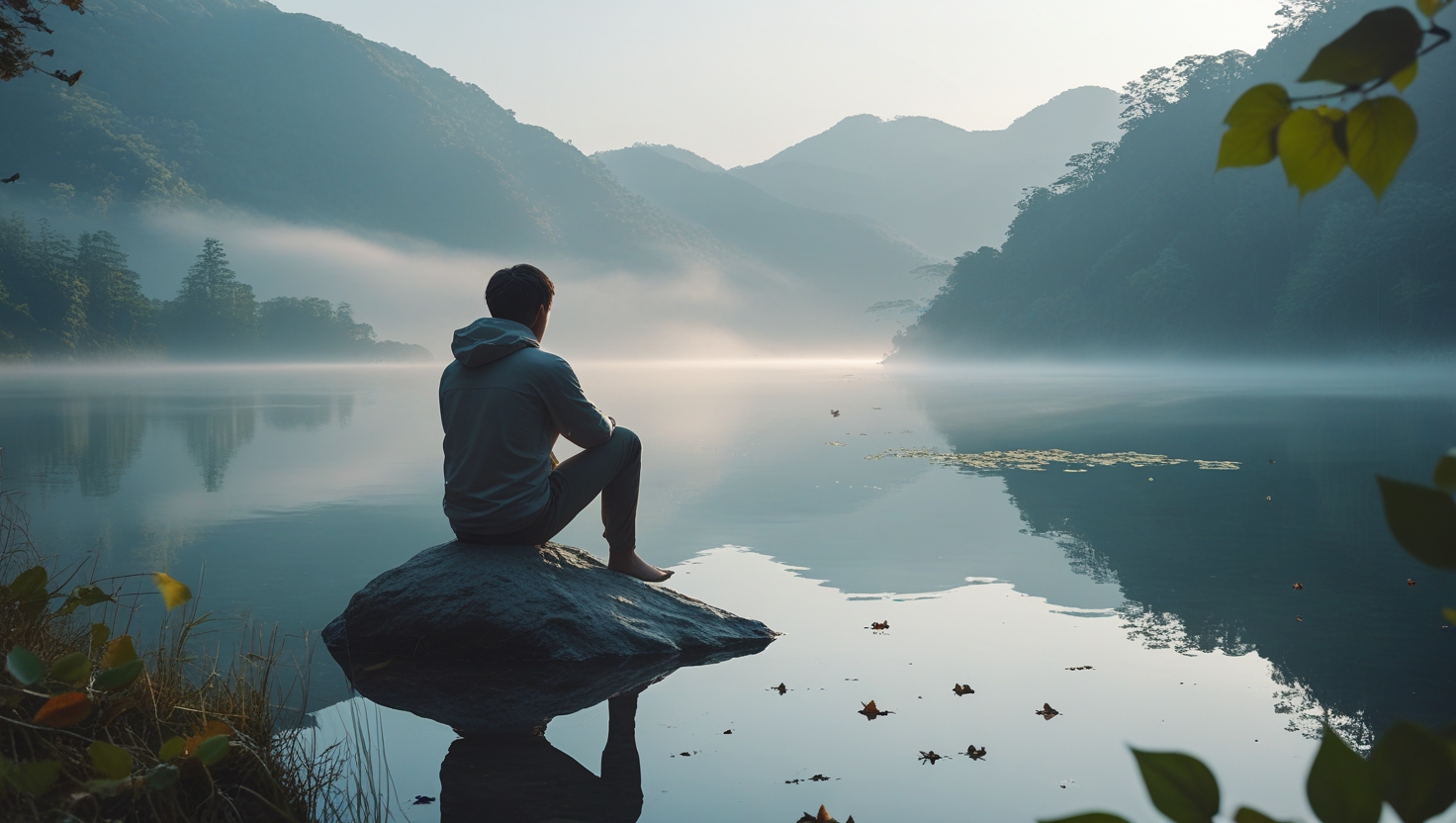
Solitude has often been misunderstood. In a world that celebrates collaboration and connectivity, time spent alone is sometimes viewed as unproductive or antisocial. However, solitude is a crucial ingredient for creativity and self-expression. It is within these moments of quiet reflection that the mind has the space to wander, discover, and create.
From history’s most renowned artists to the world’s leading innovators, many have credited their breakthroughs to moments of solitude. In these uninterrupted spaces, the mind is free from external distractions and societal expectations, allowing the emergence of authentic self-expression and boundless creativity.
Understanding Solitude: A Gateway to Creativity
Solitude vs. Loneliness
Solitude is often mistaken for loneliness, but the two are fundamentally different.
- Solitude: A voluntary and enriching state where you intentionally spend time alone for self-reflection, creativity, or relaxation.
- Loneliness: An involuntary and often distressing feeling of isolation or disconnection from others.
Embracing solitude allows you to cultivate a positive relationship with your inner world, paving the way for creative exploration.
The Role of Quiet in Creativity
The quietness of solitude is fertile ground for creativity.
- Mental Clarity: Without the noise of external influences, your mind can focus and process ideas more effectively.
- Freedom to Explore: Solitude creates a safe space where you can experiment with thoughts and ideas without fear of judgment.
The Science Behind Solitude and Creativity
Neurological Benefits
Spending time alone activates specific parts of the brain associated with creativity and problem-solving.
- The Default Mode Network (DMN): When your mind is at rest during solitude, the DMN becomes active. This network is linked to introspection, imagination, and the generation of new ideas.
- Reduced Stress Hormones: Solitude lowers cortisol levels, creating a relaxed mental state conducive to creativity.
Enhancing Divergent Thinking
Divergent thinking, the ability to generate multiple solutions to a problem, thrives in solitude.
- Free Association: Alone time allows your mind to wander, connecting seemingly unrelated ideas and fostering innovative thinking.
- Breaking Boundaries: Without external constraints, your brain is free to think outside the box, leading to original ideas.
The Link Between Solitude and Self-Expression
Discovering Your Authentic Voice
Self-expression requires an understanding of who you are, which solitude fosters.
- Introspection: Time alone encourages you to reflect on your values, beliefs, and desires, helping you identify your authentic voice.
- Freedom from Judgment: In solitude, you can express yourself without fear of criticism or societal expectations.
Translating Inner Thoughts into Art
Whether through writing, painting, music, or any other medium, solitude enables you to transform your inner world into tangible creations.
- Channeling Emotions: Alone time provides a space to process and channel emotions into creative outlets.
- Refining Your Craft: Solitude offers uninterrupted time to practice and perfect your creative pursuits.
How Solitude Inspires Creativity Across Different Disciplines
Writing
Many renowned authors credit solitude as the source of their creative breakthroughs.
- Uninterrupted Focus: Writing requires deep focus, which solitude provides.
- Exploring Ideas: Alone time helps writers delve into their thoughts, creating rich narratives and authentic characters.
Visual Arts
Artists often retreat into solitude to access their creative flow.
- Inner Vision: In solitude, artists can visualize and bring to life their unique perspective.
- Artistic Exploration: Without external influences, they can experiment with new techniques and styles.
Music
For musicians, solitude is often the birthplace of melodies and lyrics.
- Emotional Resonance: Time alone helps musicians connect with their emotions, inspiring heartfelt compositions.
- Refinement: Solitude allows musicians to fine-tune their work, focusing on every note and lyric.
Innovation and Problem-Solving
Solitude isn't limited to the arts; it’s also essential for innovators and problem-solvers.
- Creative Problem-Solving: Innovators like Nikola Tesla and Steve Jobs credited their breakthroughs to moments of quiet reflection.
- Strategic Thinking: Solitude provides the space to think strategically and envision solutions.
Benefits of Solitude for Creativity and Self-Expression
Enhanced Focus
In a world filled with distractions, solitude creates an environment where you can concentrate fully.
- Deep Work: Solitude enables uninterrupted focus, allowing you to dive deep into creative projects.
- Clarity: Without the noise of others’ opinions, your thoughts become clearer and more coherent.
Emotional Processing
Solitude offers the time and space needed to process complex emotions, fueling creativity.
- Turning Pain into Art: Many great works of art stem from deeply personal experiences processed in solitude.
- Understanding Yourself: Time alone helps you understand and articulate your feelings, enhancing self-expression.
Greater Authenticity
Creativity flourishes when you’re true to yourself, and solitude fosters authenticity.
- Listening to Your Inner Voice: Solitude helps you tune out external pressures and connect with your true self.
- Creating for Yourself: Free from societal expectations, you can create work that is meaningful to you.
Challenges of Solitude and How to Overcome Them
Fear of Being Alone
Many people avoid solitude because they fear facing their thoughts.
- Practice Gradual Solitude: Start with short periods of alone time and gradually extend them as you become more comfortable.
- Focus on Positivity: Use solitude as an opportunity to reflect on your strengths and passions rather than dwelling on negative thoughts.
Overthinking
Excessive time alone can lead to overthinking, which stifles creativity.
- Set Boundaries: Limit your solitary time to prevent rumination.
- Engage in Mindful Practices: Activities like meditation or journaling can help ground your thoughts.
Balancing Solitude and Social Connection
While solitude is essential, too much isolation can hinder creativity.
- Seek Balance: Alternate periods of solitude with social interactions to maintain a healthy creative process.
- Collaborate Occasionally: Sharing ideas with others can provide fresh perspectives and prevent stagnation.
Strategies to Harness Solitude for Creativity and Self-Expression
Create a Dedicated Space
Designate a specific area where you can retreat for uninterrupted creative work.
- Comfortable Environment: Ensure your space is comfortable, quiet, and free from distractions.
- Personal Touches: Surround yourself with items that inspire you, such as art, books, or music.
Develop a Routine
Consistency is key to making the most of your solitary time.
- Set Regular Times: Dedicate specific times each day for solitude and creative work.
- Stick to Rituals: Incorporate rituals like lighting a candle or playing calming music to signal the start of your creative session.
Embrace Silence
Silence enhances creativity by eliminating distractions.
- Turn Off Devices: Disconnect from technology during your solitary time.
- Practice Mindfulness: Use silence to focus on your breath, thoughts, or creative process.
Use Solitude for Reflection
Reflection is an integral part of creativity and self-expression.
- Journaling: Write about your thoughts, ideas, and experiences to clarify and articulate them.
- Meditation: Meditate to quiet your mind and access your inner creativity.
Real-Life Examples of Creativity Born from Solitude
Virginia Woolf
The celebrated author often sought solitude to write her most profound works, including A Room of One’s Own, which underscores the importance of alone time for creative women.
Vincent van Gogh
Van Gogh spent countless solitary hours painting, using his time alone to create some of the most iconic works in art history.
Nikola Tesla
The inventor credited his moments of solitude with providing the clarity and inspiration needed for his groundbreaking innovations.
The Long-Term Impact of Solitude on Creativity
Building Resilience
Solitude teaches you to rely on your inner resources, fostering resilience and independence.
Continuous Growth
Regular periods of solitude allow for ongoing creative and personal development, helping you refine your craft over time.
Leaving a Legacy
The creative works born from solitude often resonate deeply with others, leaving a lasting impact on the world.
Solitude is a powerful tool for enhancing creativity and self-expression. By embracing moments of quiet reflection, you can unlock new ideas, connect with your authentic self, and create deeply meaningful work. Whether you’re an artist, writer, musician, or innovator, time alone is an essential part of the creative process.
In a fast-paced, connected world, solitude offers a rare opportunity to pause, reflect, and create. By intentionally carving out time for yourself, you can harness the transformative power of solitude to express your unique voice and contribute something extraordinary to the world.
This is a block of text. Double-click this text to edit it.