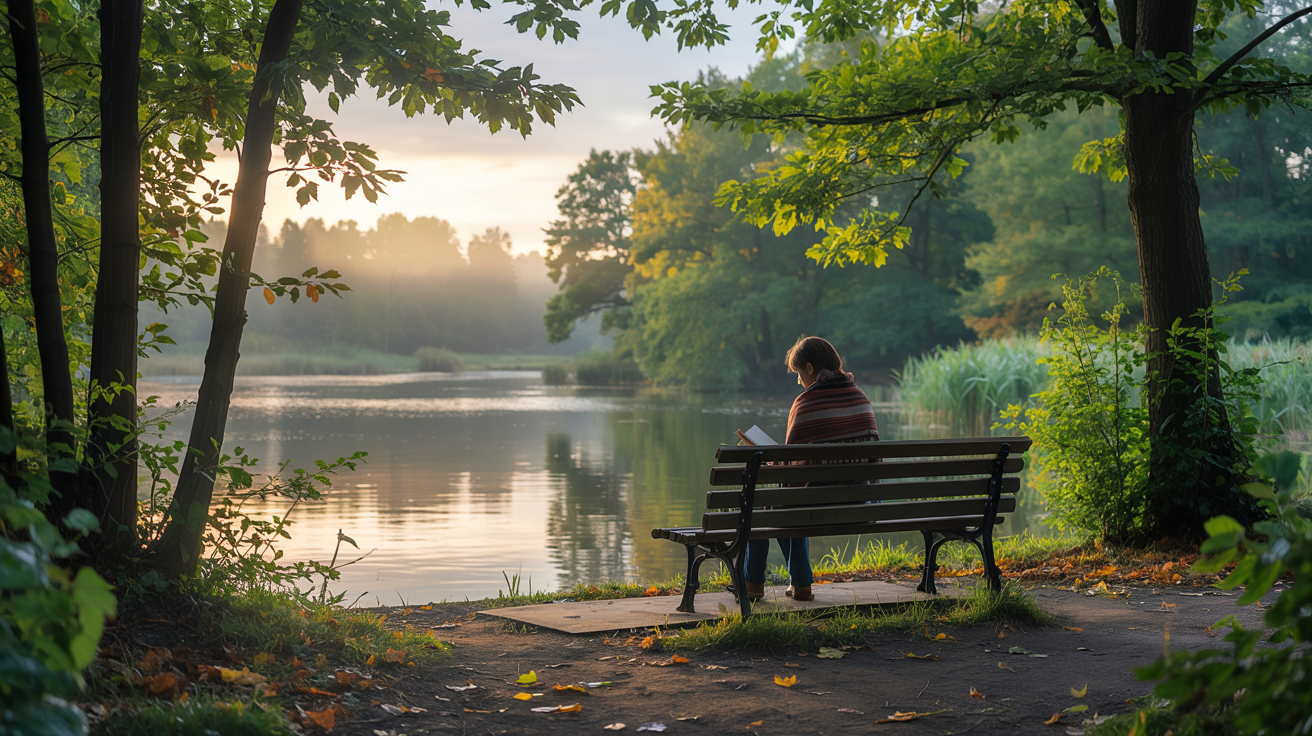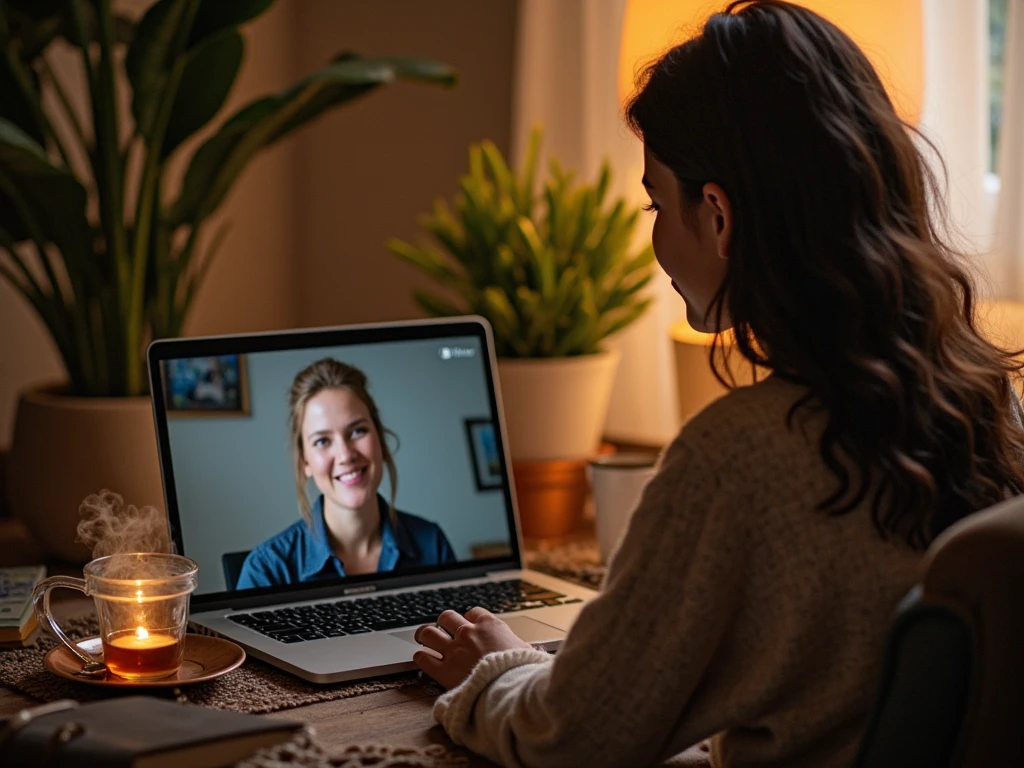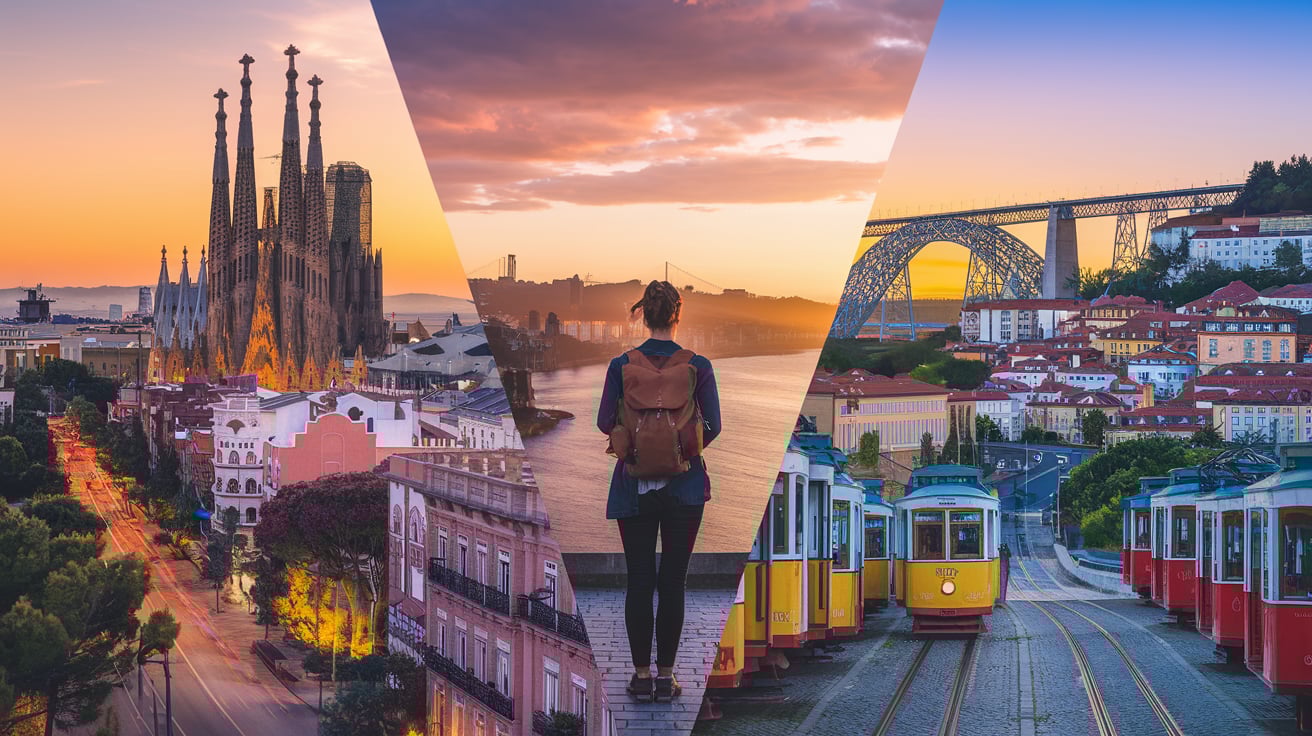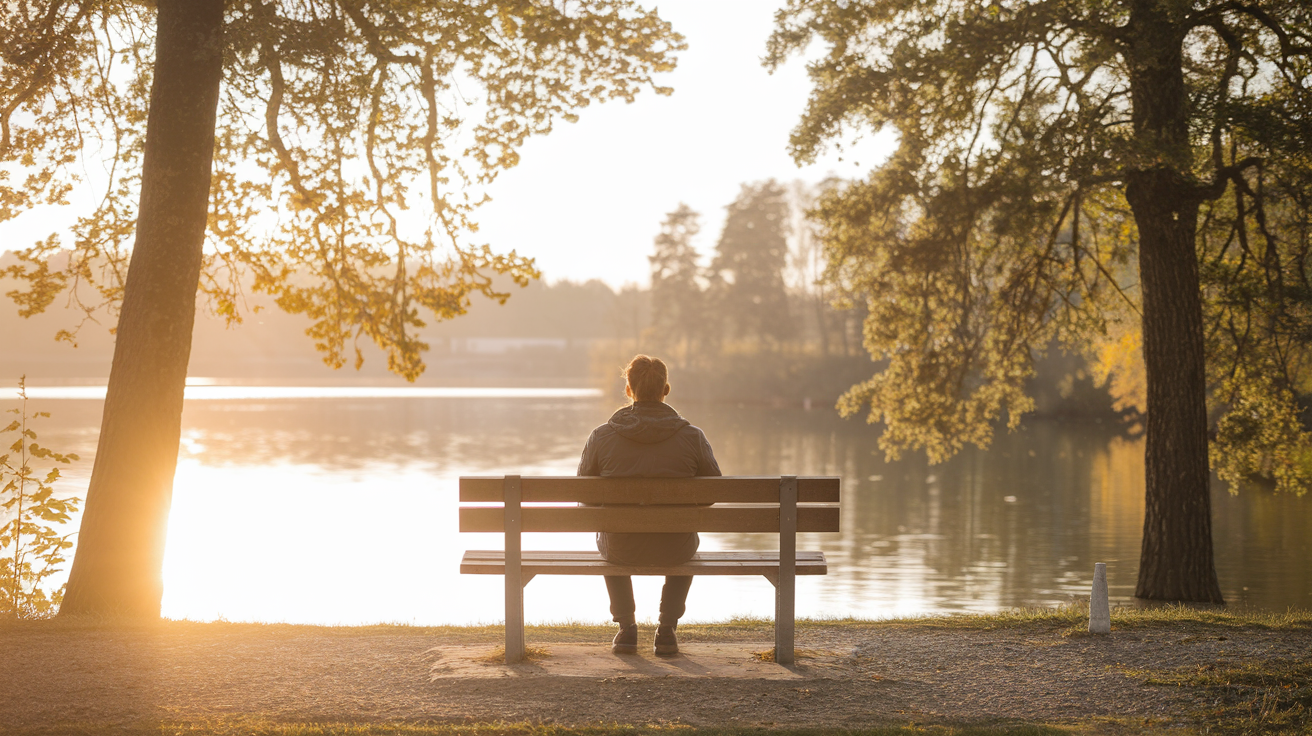


Solitude is often misunderstood and burdened with misconceptions and myths that label it as undesirable or unnatural. In an age that celebrates connectivity and constant social engagement, solitude—intentionally spending time alone—can seem like an odd choice or even a problem. Yet, solitude holds immense value for personal growth, creativity, and emotional well-being.
Solitude has been misrepresented in cultural narratives, often conflated with loneliness, social isolation, or even antisocial behavior. To understand its true essence, we must first clarify what solitude is and what it is not.
The Misconception: Solitude is often equated with loneliness, suggesting that being alone is inherently negative.
The Reality: Solitude and loneliness are vastly different experiences. Loneliness is an emotional response to unmet social needs, whereas solitude is a chosen state that allows for personal enrichment.
Scientific Perspective:
A study published in The Journal of Personality and Social Psychology highlights that solitude, when voluntary, is associated with positive outcomes like relaxation and emotional clarity, unlike loneliness, which can harm mental health.
The Misconception: Humans are social beings, so spending time alone goes against our nature.
The Reality: While social interaction is crucial, solitude is equally essential for maintaining balance. Throughout history, humans have sought solitude for reflection, healing, and creativity.
Example:
Monks, sages, and philosophers have long embraced solitude to attain enlightenment and wisdom. Even in modern contexts, retreats and solo travel are popular ways to rejuvenate and gain perspective.
The Misconception: Spending time alone is a slippery slope to sadness, depression, and social withdrawal.
The Reality: Solitude can be a powerful tool for emotional regulation and mental clarity, provided it is chosen and not imposed. It allows individuals to process emotions, reflect on experiences, and build resilience.
Scientific Insight:
Research from the University of California shows that people who practice solitude intentionally are less likely to experience stress and more likely to report feelings of contentment.
The Misconception: Extroverts thrive on social interaction, so solitude holds no value for them.
The Reality: Solitude benefits everyone, regardless of personality type. While introverts may naturally gravitate toward solitude, extroverts can also gain clarity, focus, and emotional balance from time spent alone.
Example:
Famous extroverts like Richard Branson and Oprah Winfrey have spoken about the importance of taking time alone to recharge and think creatively.
The Misconception: Creativity thrives in collaboration, and isolation hinders the flow of ideas.
The Reality: While collaboration is valuable, solitude provides the mental space necessary for deep thinking and innovation. Many of history’s greatest creators found inspiration in solitude.
Example:
Nikola Tesla, Emily Dickinson, and Henry David Thoreau all credited solitude as a critical component of their creative processes.
Solitude is more than a subjective preference—it has scientifically proven benefits that enhance mental, emotional, and physical well-being.
Solitude activates the Default Mode Network (DMN) in the brain, which is linked to introspection and creativity. This mental state allows for the free flow of ideas and connections.
Time spent alone helps individuals process emotions and develop strategies for coping with stress, leading to greater emotional resilience.
In solitude, distractions are minimized, enabling deep work and sustained concentration. This state of focus, often called “flow,” is essential for achieving high levels of productivity.
Solitude provides a break from the demands of social interaction and multitasking, lowering cortisol levels and promoting relaxation.
Reflection in solitude allows individuals to explore their values, goals, and priorities, leading to a deeper understanding of themselves.
Philosophers like Aristotle, Nietzsche, and Emerson extolled the virtues of solitude as a means to achieve self-knowledge and wisdom.
Example:
Henry David Thoreau’s Walden is a celebration of solitude as a path to self-reliance and understanding.
Solitude has been central to many religious and spiritual practices, from Buddhist meditation to Christian monasticism.
Example:
Jesus, Buddha, and Muhammad all sought solitude during pivotal moments in their spiritual journeys.
Today, solitude is embraced through practices like mindfulness meditation, solo travel, and digital detoxes. These modern adaptations highlight the timeless appeal of being alone.
Solitude allows individuals to weigh options and make decisions without external influence or pressure.
Example:
Taking a walk alone before making a significant decision can provide clarity and confidence.
Regular periods of solitude act as a buffer against the stresses of modern life, promoting relaxation and balance.
Time spent alone fosters self-awareness, enabling more authentic and meaningful connections with others.
Insight:
When individuals are comfortable with themselves, they are better equipped to contribute positively to relationships.
Begin by incorporating short periods of solitude into your daily routine, such as a 10-minute morning meditation or an evening walk.
Designate a quiet space in your home or office where you can retreat for uninterrupted time alone.
Minimize digital distractions during your solitude to fully engage with your thoughts and surroundings.
Mindfulness exercises like meditation or deep breathing can enhance the quality of your solitude by fostering a sense of presence and focus.
Spending time alone in natural settings amplifies the benefits of solitude, offering tranquility and inspiration.
While solitude is essential, it’s important to balance it with meaningful social interactions. Too much solitude can lead to isolation, just as excessive socializing can lead to burnout.
Everyone’s ideal balance of solitude and connection is different. Reflect on what works best for you and adjust accordingly.
Communicate your need for solitude to loved ones, ensuring that your alone time is respected.
Use your time in solitude to recharge so you can engage more fully with others when the time comes.
Solitude is not something to fear or avoid—it is a powerful and necessary component of a balanced life. By debunking the myths surrounding solitude, we can embrace its true essence as a tool for growth, creativity, and well-being.
In a world that often demands constant connectivity, solitude offers a sanctuary where the mind can wander, the soul can heal, and the self can flourish.
“In solitude, we find not loneliness, but ourselves.”
By learning to appreciate and harness the power of solitude, we unlock the potential to live more meaningful, creative, and fulfilling lives. Embrace solitude as an ally, and watch as it transforms the way you think, feel, and connect with the world.