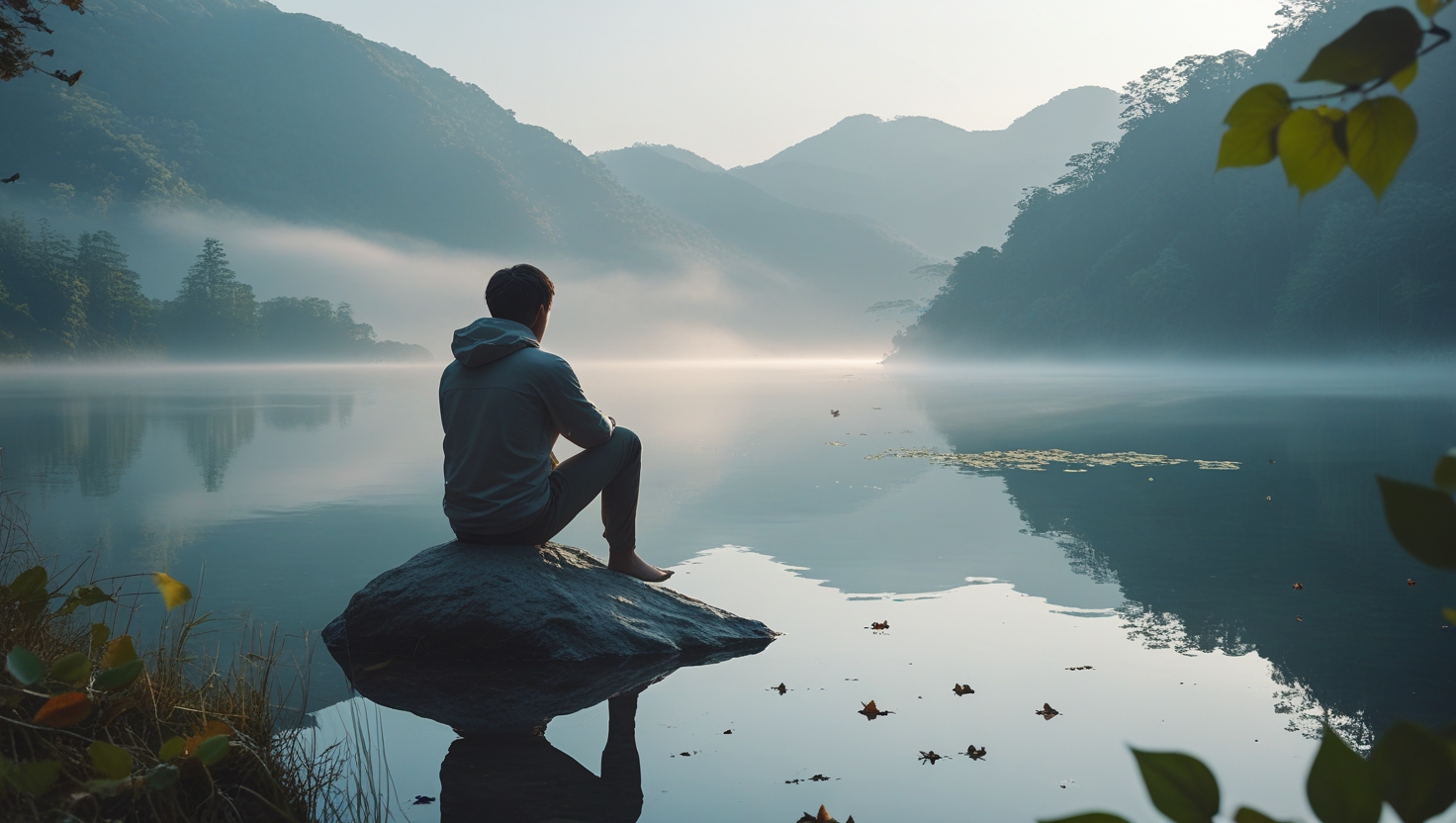



In an increasingly connected world, solitude can feel like a radical choice. The constant ping of notifications, the lure of social media, and the emphasis on group activities often make being alone seem undesirable or even unnatural. However, solitude—the intentional act of spending time alone—is an essential part of a balanced and fulfilling life.
Embracing alone time does not mean isolating yourself or severing connections with others. Instead, it’s about cultivating a relationship with yourself while maintaining meaningful bonds with the world around you.
In our fast-paced lives, constant interaction and engagement can drain mental and emotional reserves. Alone time provides an opportunity to rest and recharge.
Scientific Insight:
Research has shown that periods of solitude can reduce stress and promote relaxation by lowering cortisol levels, the hormone associated with stress.
Solitude allows for introspection, helping you better understand your emotions, values, and goals. This self-awareness forms the foundation for personal growth and decision-making.
Time spent alone encourages free-flowing thoughts, enabling creativity to flourish. Without external distractions, the mind can make unique connections and generate innovative ideas.
Example:
Many renowned artists and thinkers, including Virginia Woolf, Nikola Tesla, and Steve Jobs, attributed their creative breakthroughs to moments of solitude.
Alone time strengthens your ability to process emotions independently, fostering resilience and self-reliance.
Loneliness is a negative emotional state caused by a lack of connection, while solitude is a deliberate choice to spend time alone for self-care and reflection.
Far from being unproductive, solitude often leads to breakthroughs in creativity, problem-solving, and self-discovery.
Choosing solitude doesn’t mean you dislike others. It simply reflects a need for balance between social interaction and personal time.
If you’re new to embracing alone time, begin with short, manageable periods. For example, take a solo walk, enjoy a cup of coffee in silence, or dedicate 10 minutes to journaling.
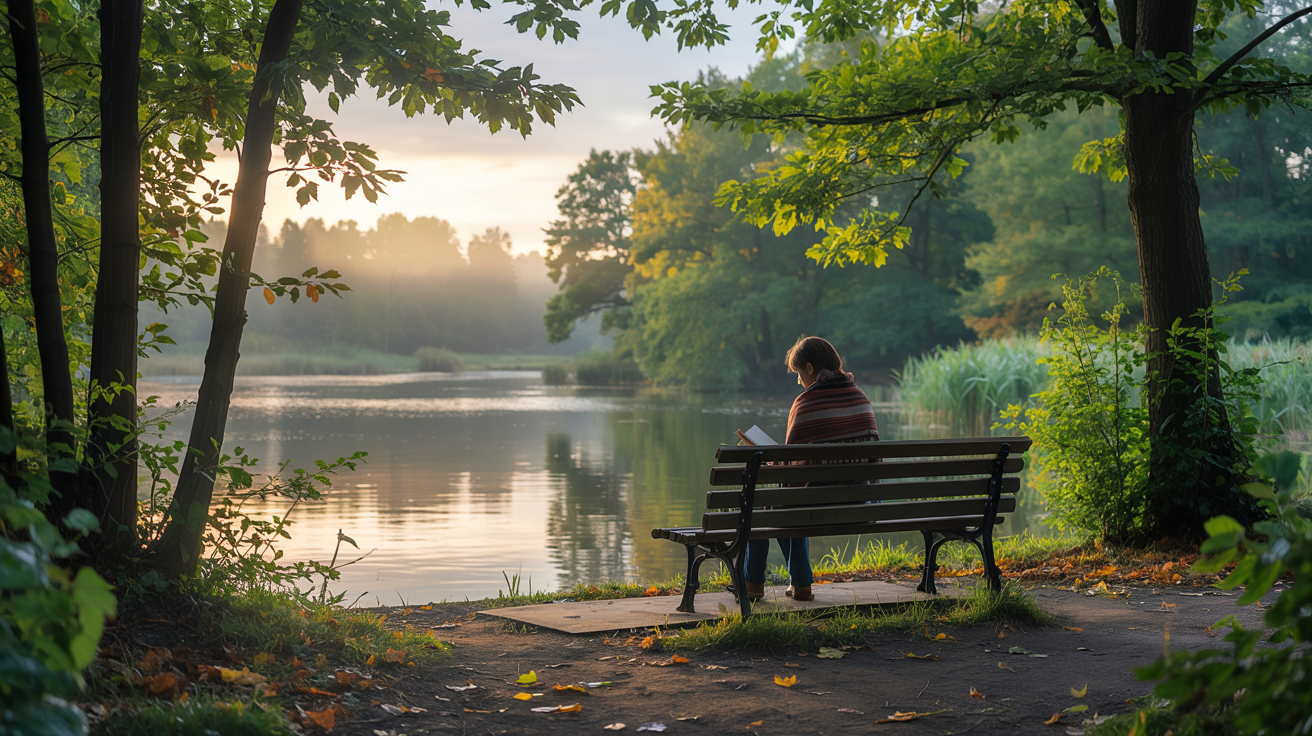
Design a space that feels peaceful and inviting, whether it’s a cozy corner at home, a quiet park, or a favorite café.
Use your alone time to pursue hobbies or activities that bring you joy, such as reading, painting, gardening, or cooking.
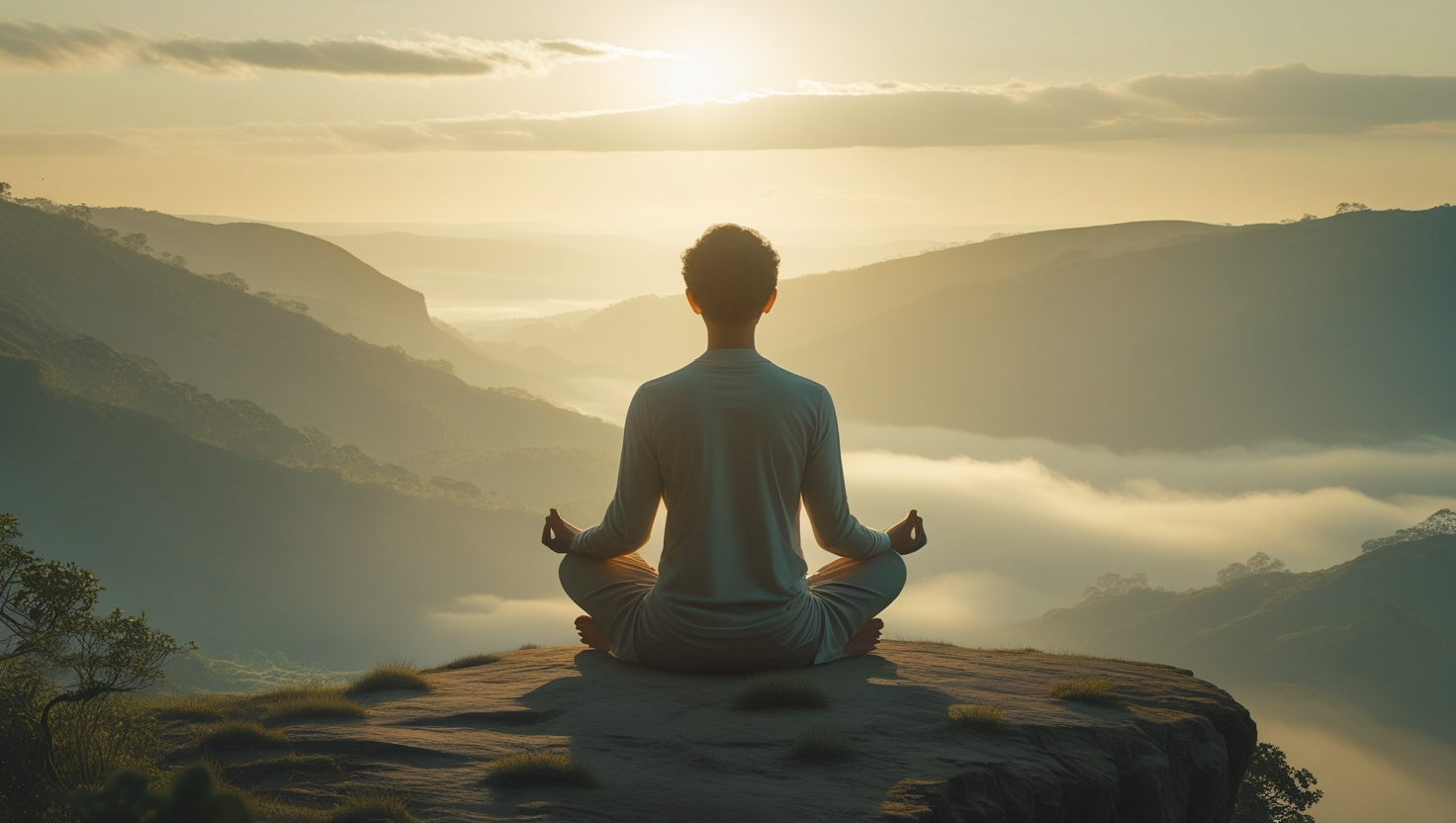
Mindfulness techniques like meditation, deep breathing, or simply being present in the moment can enhance the quality of your solitude.
Minimize digital distractions during your alone time to fully engage with your thoughts and surroundings.
Challenge yourself to try activities alone, such as visiting a museum, dining at a restaurant, or traveling. These experiences can be both empowering and fulfilling.
Solitude and social connection are not mutually exclusive. Here’s how to enjoy alone time without losing touch with loved ones.
Let friends and family know why alone time is important to you. Clear communication helps set boundaries and prevents misunderstandings.
Example:
Explain that taking time for yourself allows you to recharge and be more present during social interactions.
Balance alone time with intentional social interactions. Schedule coffee dates, phone calls, or group activities to maintain your connections.
Focus on building meaningful relationships rather than spreading yourself thin across numerous social engagements.
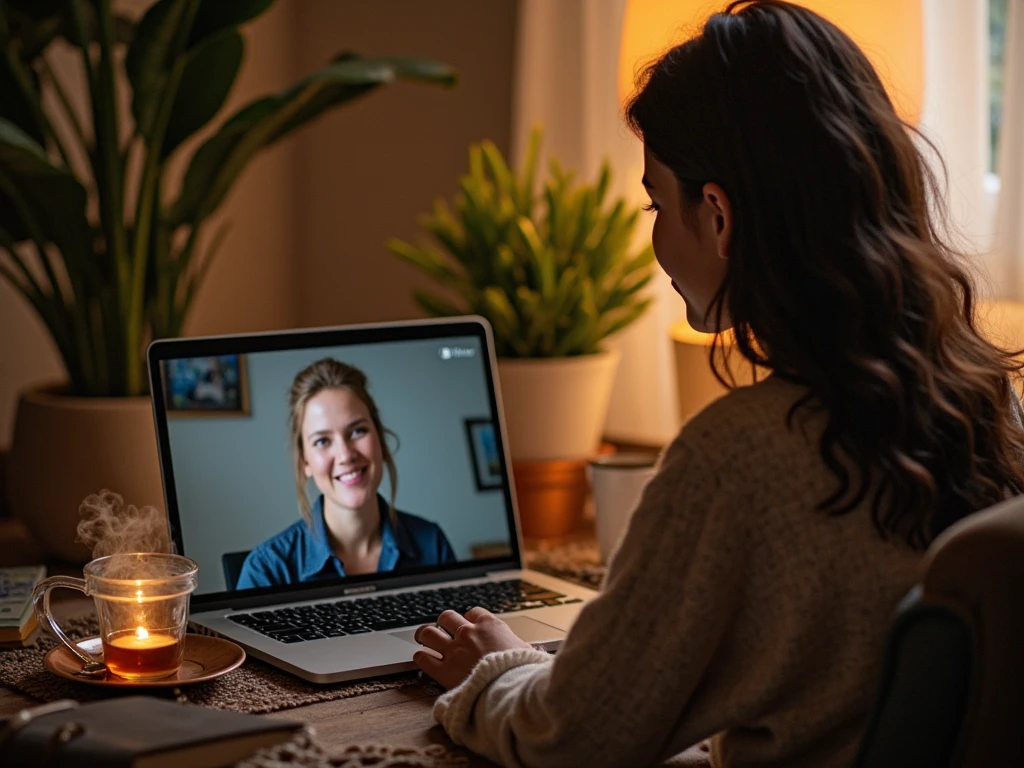
While solitude often involves disconnecting, technology can help you stay connected in meaningful ways, such as sending a thoughtful text or video calling a loved one.
Use your alone time to reflect and create, then share your insights or creations with others. This can lead to deeper and more rewarding connections.
Balancing solitude with social interaction reduces stress, anxiety, and the risk of burnout.
Spending time alone fosters self-awareness, enabling you to bring more authenticity and presence to your relationships.
Alternating between solitude and connection allows you to process emotions independently while receiving support when needed.
Develop rituals that signal the start of your alone time, such as lighting a candle, playing soft music, or sipping tea.
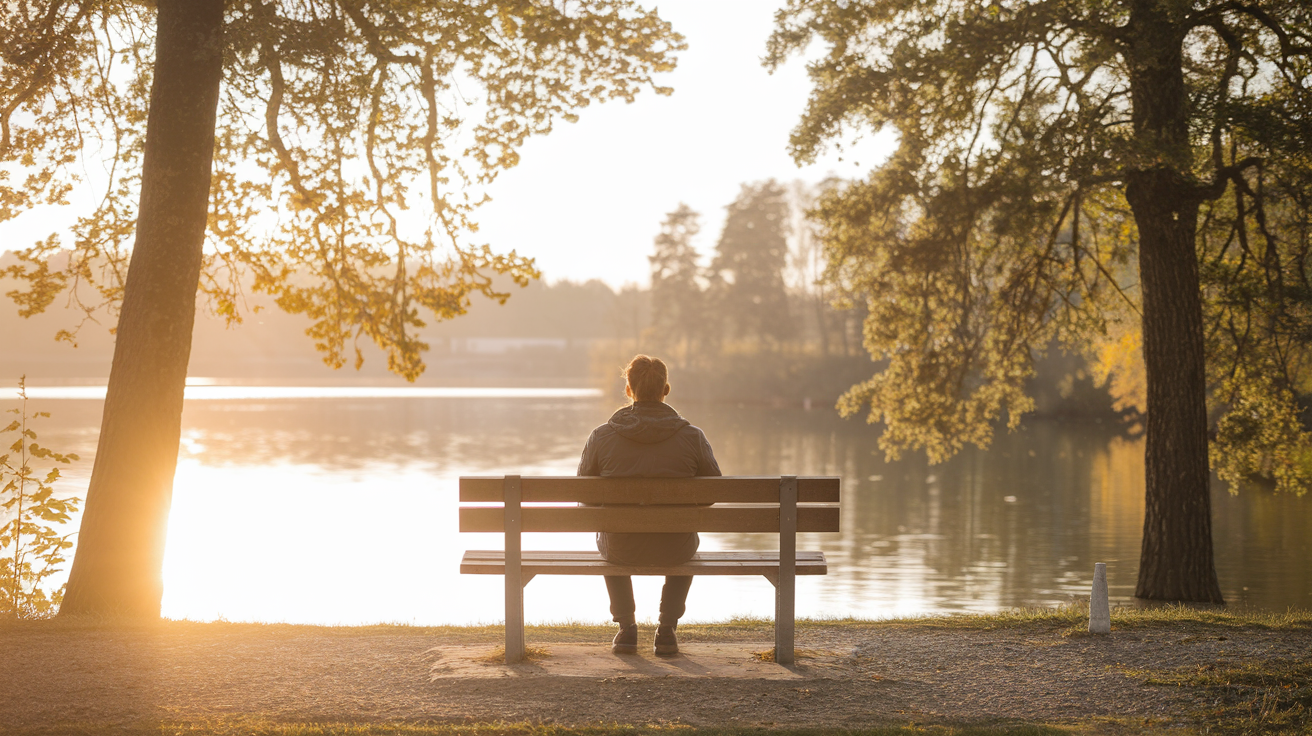
Spending time in natural settings enhances the restorative benefits of solitude. Go for a hike, sit by a lake, or take a walk in a park.
Use your solitude to reflect on your experiences, set goals, and envision your future.
Example:
Journaling can be a powerful tool for organizing thoughts and gaining clarity.
Challenge yourself to try new things alone, such as attending a concert, taking a class, or starting a solo project.
In Japanese culture, “Ma” refers to the space between moments. It emphasizes the value of pauses and quiet intervals in daily life, aligning with the benefits of solitude.
The Danish concept of “Hygge” celebrates coziness and comfort, often achieved during moments of solitude.
Throughout history, monks in various religious traditions have embraced solitude as a path to enlightenment, reflection, and peace.
Solitude is not just for relaxation; it can also be a powerful tool for productivity.
Time spent alone allows for focused, uninterrupted work, leading to higher-quality output.
Example:
Writers, programmers, and researchers often rely on solitude to enter a state of “flow.”
Solitude provides the mental space needed to think critically, solve problems, and develop strategies.
Whether it’s writing a novel, composing music, or crafting a business plan, solitude is often the birthplace of innovation.
The fear of missing out can make solitude seem unappealing. Combat this by reminding yourself of the benefits of alone time and prioritizing activities that align with your values.
Alone time can sometimes amplify self-critical thoughts. Practice self-compassion and focus on activities that bring you joy and relaxation.
It can be challenging to carve out alone time amidst work, family, and social commitments. Schedule solitude as you would any other important activity.
Alone time is not an indulgence but a necessity for a fulfilling and balanced life. By embracing solitude, you can recharge, gain clarity, and nurture your inner world while staying connected to the people and communities that matter most.
Solitude offers the gift of self-discovery, creativity, and peace. When balanced with meaningful social connections, it creates a harmonious rhythm that enriches every aspect of life.
“In solitude, we find ourselves. In connection, we share our discoveries with the world.”
By learning to value and enjoy your own company, you unlock the potential to lead a more intentional, authentic, and joyful life.