The Art of Solitude: Finding Peace and Purpose in Time Alone.

In an era dominated by constant connectivity and relentless social interaction, the concept of solitude often seems foreign or even undesirable. Yet, solitude—the deliberate choice to spend time alone—has been cherished by philosophers, artists, and thinkers throughout history. Far from being a state to be feared, solitude can be a powerful tool for personal growth, creativity, and inner peace.


Solitude vs. Loneliness: Understanding the Difference

One of the biggest misconceptions about solitude is its confusion with loneliness. While both involve being alone, their emotional and psychological impacts are vastly different.

  • Loneliness: An involuntary, often painful experience characterized by a lack of connection or companionship. It can lead to feelings of emptiness, sadness, and isolation.
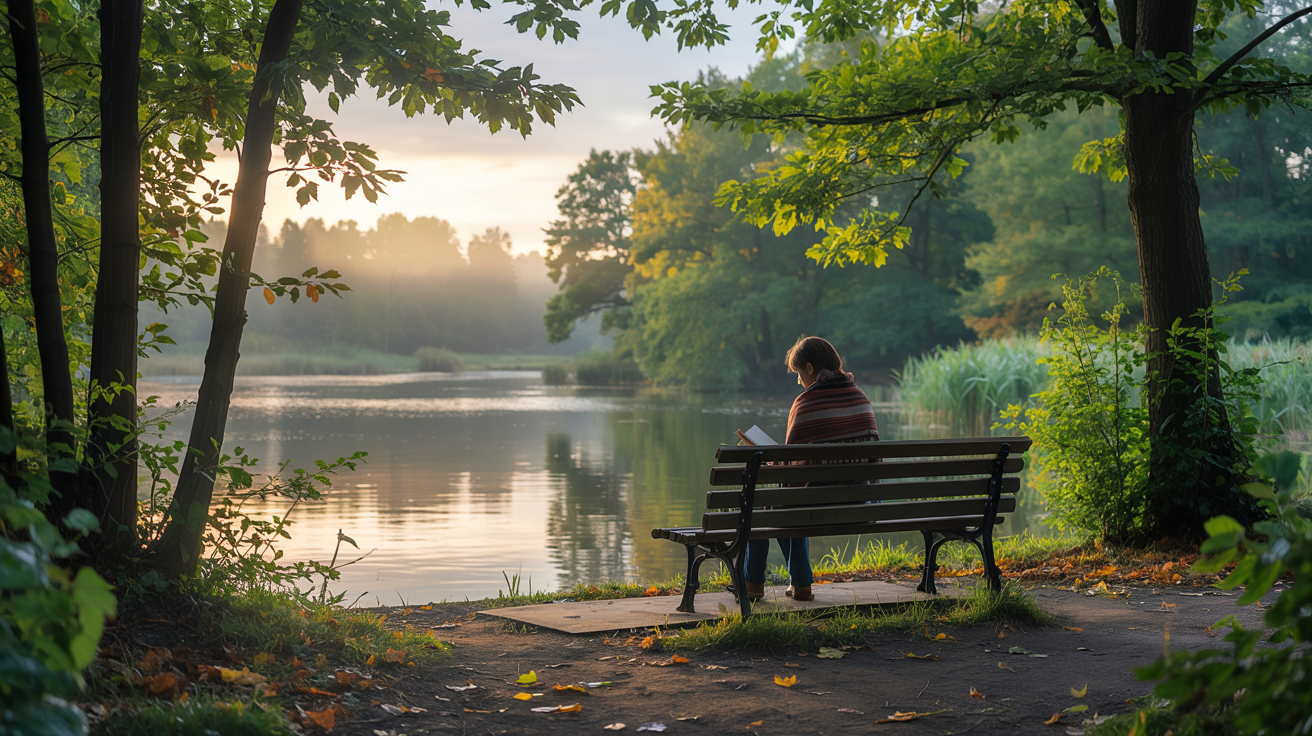
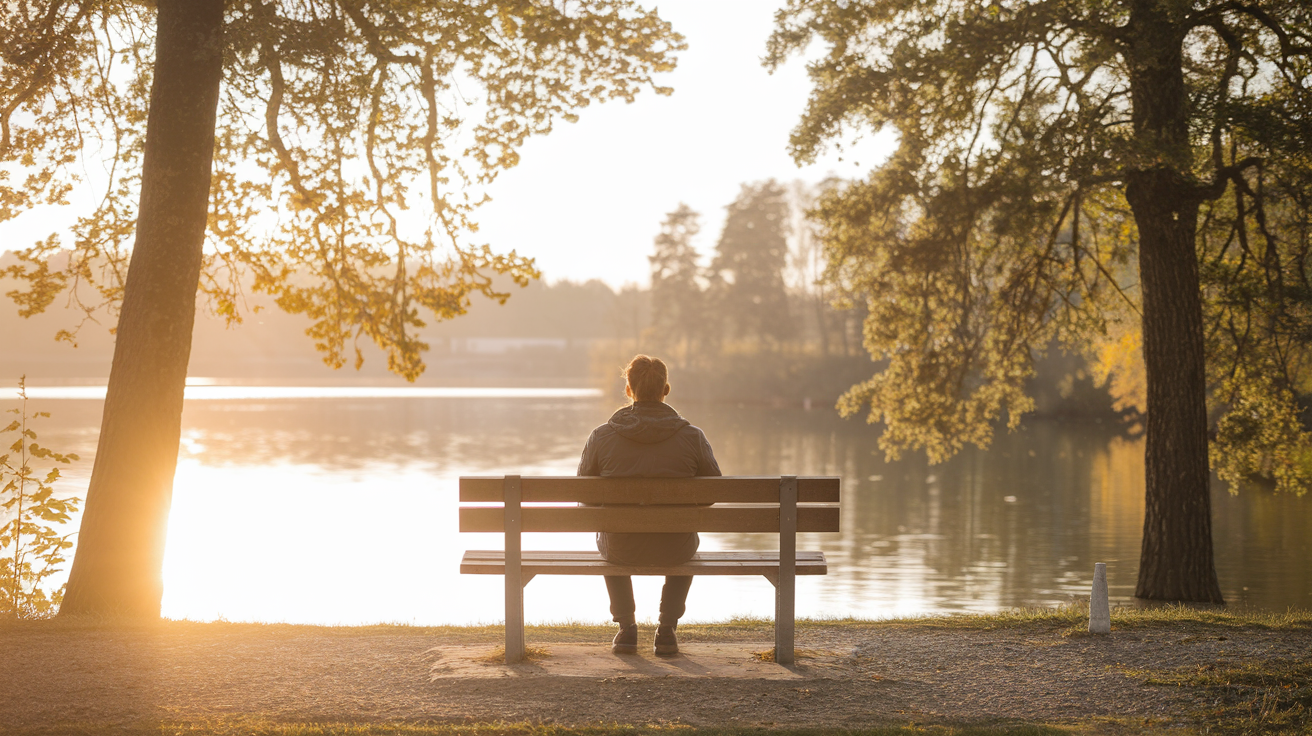
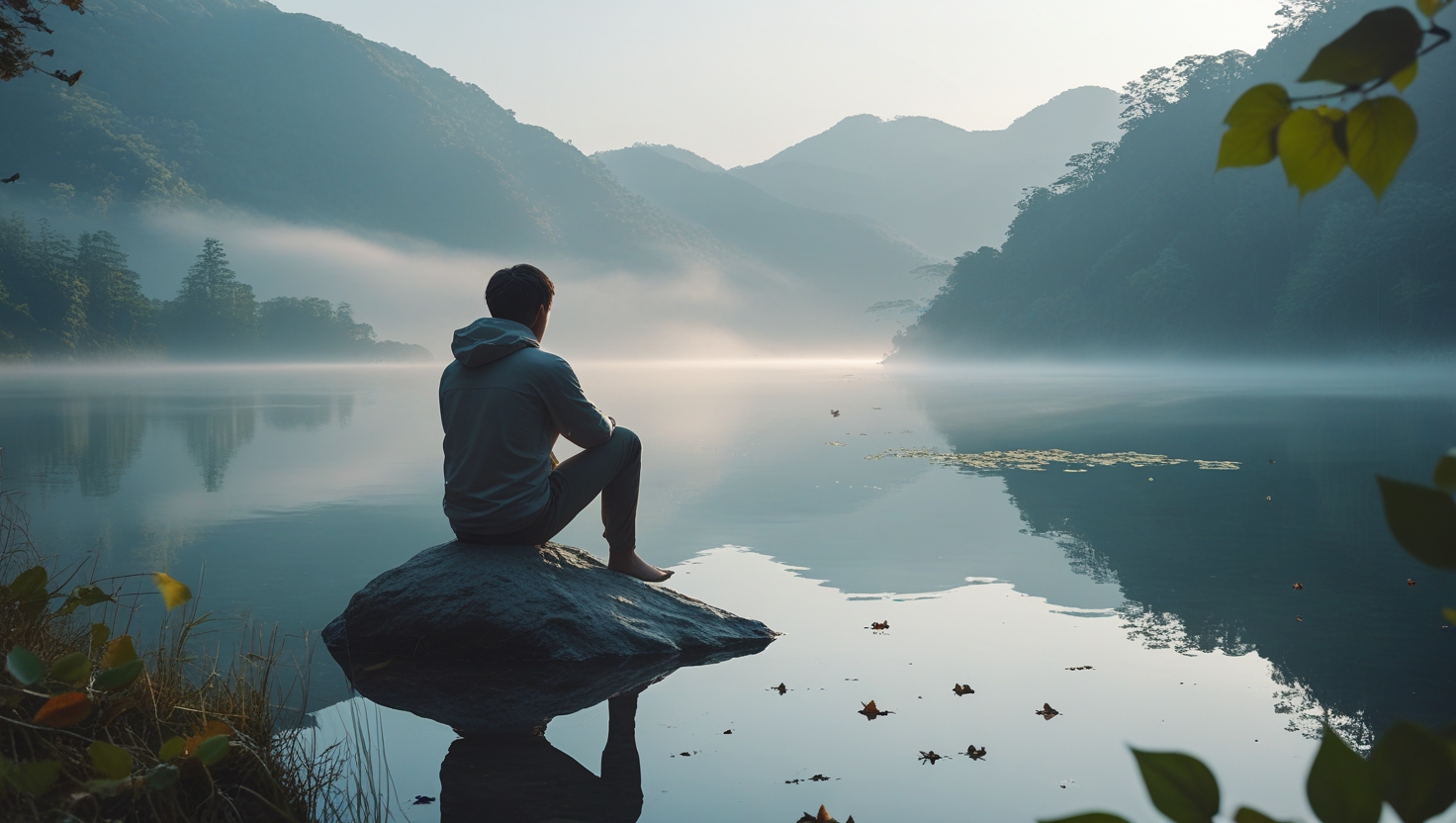
  • Solitude: A chosen state of being alone that fosters introspection, peace, and rejuvenation. It is a voluntary retreat from external stimuli to reconnect with oneself.

While loneliness can harm mental health, solitude, when embraced intentionally, can enhance well-being and bring clarity.


The Benefits of Solitude

1. Enhanced Self-Awareness and Introspection

Solitude provides the space to reflect on thoughts, emotions, and life experiences. Without the noise of others’ opinions, we can examine our desires, fears, and goals more clearly. This introspection fosters self-awareness, helping us understand who we are and what we want from life.

Self-reflection practices during solitude:

  • Journaling thoughts and emotions.
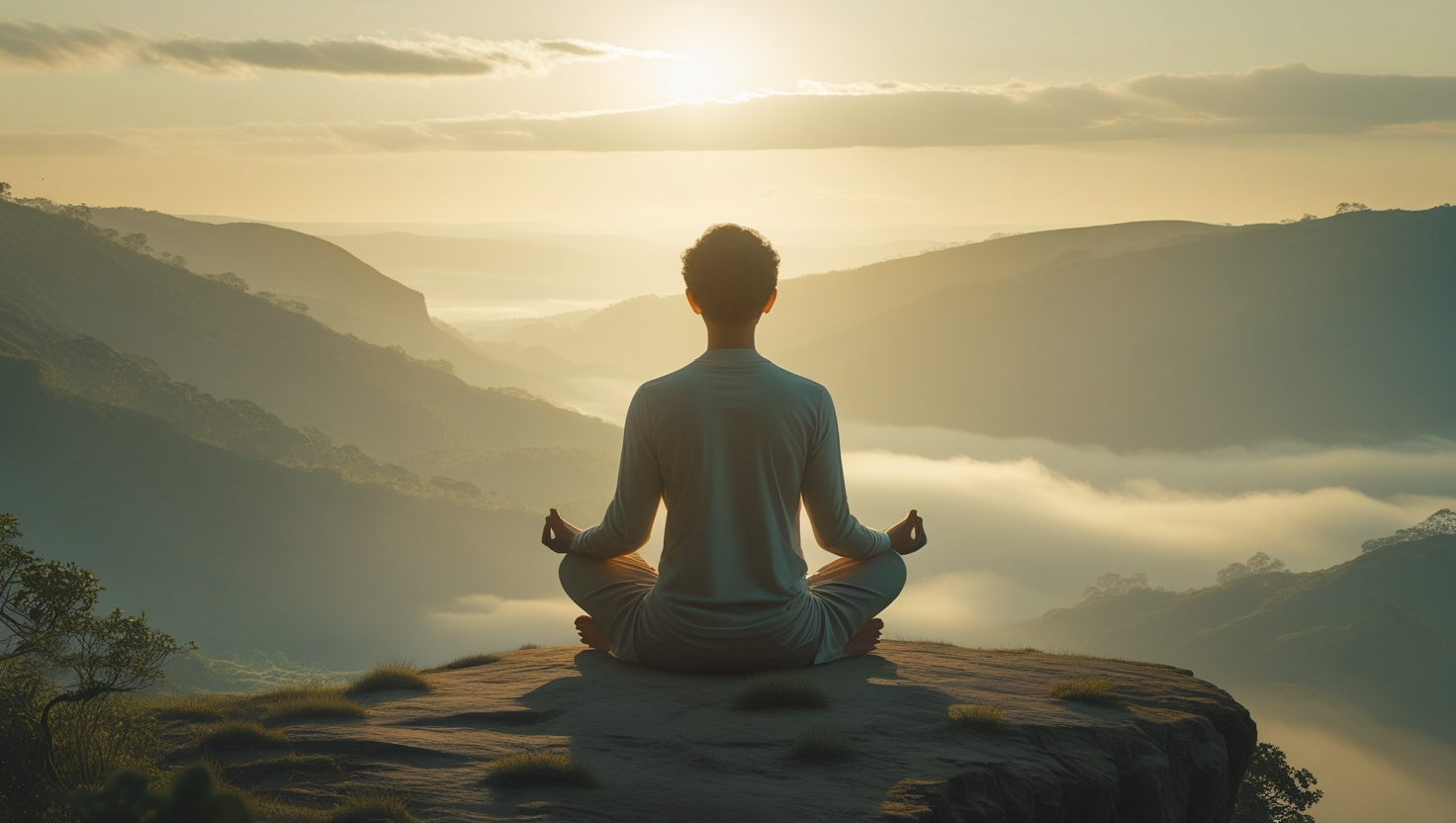
  • Meditating on personal values and goals.
  • Engaging in mindfulness to observe inner dialogue without judgment.

2. Boosted Creativity

Many creative breakthroughs occur in solitude. Without external distractions, the mind can wander freely, exploring new ideas and connections. History is replete with examples of artists, writers, and innovators who sought solitude to fuel their creativity.

Examples:

  • Virginia Woolf: Emphasized the need for "a room of one's own" to foster creativity.
  • Albert Einstein: Valued solitary walks, which he credited for some of his greatest insights.

Solitude encourages divergent thinking, allowing for unique solutions and innovative ideas to emerge.


3. Improved Emotional Resilience

Spending time alone builds emotional strength by teaching us to rely on our internal resources. In solitude, we learn to face challenges, process emotions, and develop coping mechanisms independently.

Benefits for emotional health:

  • Reduced dependence on external validation.
  • Increased confidence in handling life’s difficulties.
  • Greater emotional stability and resilience.

4. Enhanced Mental Clarity and Focus

Solitude removes distractions, creating an environment conducive to deep thinking and concentration. In a world filled with constant notifications and interruptions, this focused state can be incredibly refreshing.

Solitude allows for:

  • Mental decluttering: Organizing thoughts and gaining clarity.
  • Improved decision-making: Analyzing situations more thoroughly without external influence.
  • Deeper problem-solving: Engaging in complex thinking without distractions.

5. Spiritual Growth and Inner Peace

Many spiritual traditions emphasize the importance of solitude for personal and spiritual development. Whether through meditation, prayer, or silent retreat, solitude is seen as a pathway to deeper understanding and enlightenment.

Examples of spirituality:

  • Buddhist monks: Practice extended periods of silence to cultivate mindfulness and insight.
  • Christian mystics: Used solitude for prayer and contemplation.

Solitude helps us connect with a sense of inner peace, fostering a profound sense of calm and serenity.


Misconceptions About Solitude

Despite its many benefits, solitude is often misunderstood. Let’s debunk some common myths:

  1. "Solitude is for introverts."
    • While introverts may naturally seek solitude, everyone can benefit from it. Solitude provides time for self-reflection and rejuvenation, regardless of personality type.
  2. "Being alone means being lonely."
    • Solitude and loneliness are distinct. Solitude is a choice, often accompanied by contentment, while loneliness is an emotional state of disconnection.
  3. "Solitude is unproductive."
    • Far from it. Solitude often leads to deeper thinking, creativity, and problem-solving, making it a catalyst for productivity and innovation.

How to Embrace Solitude in Daily Life

Embracing solitude doesn’t require grand gestures or prolonged isolation. Simple, intentional practices can help integrate solitude into daily life:

1. Create a Solitude Routine

Set aside a specific time each day for quiet reflection, even if it’s just 10–15 minutes. This could be in the morning, during a lunch break, or before bed.

2. Disconnect from Technology

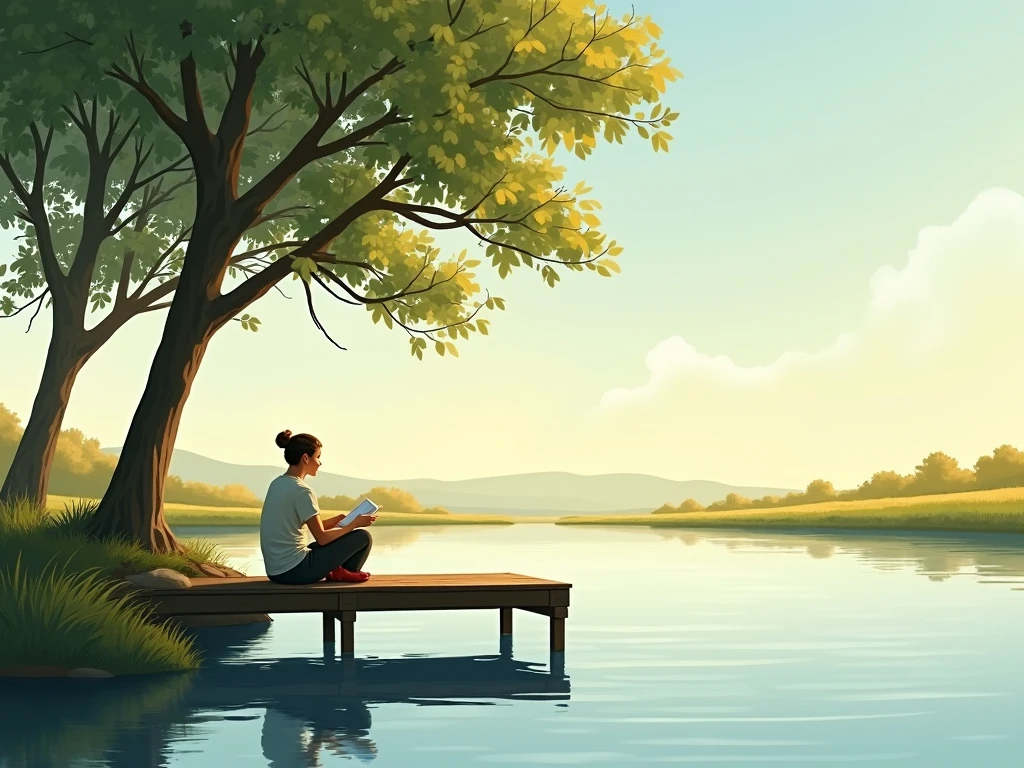
Limit screen time and create tech-free zones to minimize distractions. Use this time to read, write, or simply sit in silence.

3. Take Solitary Walks

Walking alone, especially in nature, can be a powerful way to clear the mind and connect with oneself. Leave devices behind and focus on the sights, sounds, and sensations around you.

4. Practice Mindfulness and Meditation

Mindfulness practices like meditation or deep breathing help cultivate awareness and presence, making solitude a rich and fulfilling experience.

5. Journaling

Writing in a journal can be a therapeutic way to process thoughts and emotions. It helps clarify feelings and provides a tangible record of personal growth.


Real-Life Examples of Solitude’s Power

  1. Henry David Thoreau
    • Thoreau’s experiment at Walden Pond is one of the most famous examples of the transformative power of solitude. His two-year retreat resulted in Walden, a profound reflection on nature, simplicity, and self-reliance.
  2. Nikola Tesla
    • Tesla often worked alone, using solitude to develop groundbreaking innovations in electricity and engineering. He believed that isolation was essential for creative work.
  3. Frida Kahlo
    • Kahlo used solitude to channel her pain and emotions into her art, creating some of the most iconic and deeply personal works in modern history.

Challenges and How to Overcome Them

Embracing solitude can be challenging, especially in a society that values constant interaction. Here are common challenges and solutions:

  1. Fear of Boredom
    • Solution: Reframe boredom as an opportunity for creativity and reflection. Allow yourself to sit with the discomfort, and you may be surprised by the insights that arise.
  2. Social Pressure
    • Solution: Communicate your need for solitude to friends and family. Explain that time alone helps you recharge and be more present in social interactions.
  3. Discomfort with Silence
    • Solution: Gradually increase your tolerance for silence. Start with short periods and extend them over time. Use meditation or nature walks to ease into the practice.

The Long-Term Impact of Embracing Solitude

Regularly practicing solitude can have profound long-term effects on your life:

  • Increased emotional intelligence: Understanding your own emotions leads to greater empathy and better relationships.
  • Enhanced creativity and innovation: Time alone fosters unique ideas and solutions.
  • Greater inner peace and contentment: Solitude helps cultivate a lasting sense of calm and well-being.

Conclusion: The Beauty of Embracing Solitude

Solitude is an art—one that requires practice, patience, and intention. Far from being a state of isolation or loneliness, solitude is a gift that allows us to reconnect with ourselves, foster creativity, and find peace in the stillness.

By embracing solitude, we gain the clarity, strength, and serenity needed to navigate the complexities of life with grace and resilience. In the quiet moments of solitude, we discover not only who we are but who we are meant to become.

"In solitude, we find ourselves. In finding ourselves, we find peace."

This is a block of text. Double-click this text to edit it.

Leave a Reply

Your email address will not be published. Required fields are marked *

Slow Cooking

Savor the Moment: The Art of Slow Cooking for Peaceful Evenings

In the midst of our hectic lives filled with buzzing notifications, looming ...

Sweat Together, Even Apart: The Social Benefits of Fitness Apps.

In today’s hyper-digital world, loneliness and isolation have become increasingly common issues. ...

Whispers of Wisdom: Life Lessons Found in the Peace of Solitude.

In a world that often glorifies busyness, solitude can seem like a ...

Nourish to Flourish: Practicing Self-Care Through Healthy Eating.

In today’s fast-paced world, self-care often takes a backseat to work, responsibilities, ...

Soup for the Soul: Cozy, Comforting Bowls to Lift Your Spirits.

Nothing soothes the soul quite like a warm bowl of soup. Whether ...

Effortless Elegance: Create a Unique Signature Look Without Overspending.

Style is not about the price tag it’s about confidence, creativity, and ...

Brain Food: How Green Vegetables Boost Mental Clarity and Focus.

In today’s fast-paced world, maintaining sharp mental focus and clarity is essential. ...

Online Therapy: The Role of Technology in Overcoming Loneliness.

Loneliness is more than just a fleeting emotion; it can have serious ...

Wander Alone, Discover More: Solo Backpacking Through Spain & Portugal

Solo backpacking is more than just a journey; it’s a transformative experience ...

The Healing Power of Solitude: Building Emotional Strength Through Alone Time.

In a world filled with noise, expectations, and constant interaction, solitude often ...

Finding Yourself in Silence: How Solitude Brings Personal Clarity.

Many of us feel out of touch with ourselves in a world ...

Top 20 Must-Visit Destinations in Asia: Your Ultimate Travel Guide.

Asia, the largest continent on Earth, is a treasure trove of cultural ...

Discover America: A Travel Enthusiast’s Guide to the Top 10 U.S. Destinations.

The United States is a land of incredible diversity, offering something for ...

Work-Life Harmony Through Solitude: How Alone Time Can Transform Your Balance.

In our modern, fast-paced world, achieving work-life harmony often feels like an ...

Self-Discovery in Silence: The Role of Solitude in Shaping Identity

In an increasingly connected world, silence and solitude are often seen as ...
magnifiercross