

In a world that glorifies busyness and constant connectivity, solitude often gets a bad reputation. Many view it as loneliness, a state to be avoided at all costs. But solitude—intentional time spent alone—can be a transformative experience, leading to a deeper understanding of oneself and a more fulfilling life.
Far from being a retreat from the world, solitude equips us to engage with it more meaningfully. It is a space where clarity emerges, creativity flourishes, and inner peace grows.
It’s essential to distinguish between solitude and loneliness. While loneliness is the pain of feeling disconnected, solitude is the joy of choosing time alone to recharge and reflect. Solitude is empowering; it’s an intentional act of self-care and self-discovery.
Modern society often equates being alone with being unproductive or unwanted. However, many of history’s greatest minds—from Thoreau to Einstein—recognized the value of solitude as a source of inspiration and insight.
Embracing solitude requires intention and practice. It’s about creating space in your life to connect with yourself and explore your inner world.
Spending time alone allows you to step away from the noise of daily life and tune into your thoughts, emotions, and desires. This self-awareness helps you understand your values, goals, and what truly makes you happy.
Solitude is a breeding ground for creativity. When you’re alone, your mind is free to wander, make connections, and generate new ideas. Many creative breakthroughs occur in moments of quiet reflection.
Solitude offers a safe space to process emotions and heal from life’s challenges. It helps you build emotional resilience by fostering self-reliance and inner strength.
Paradoxically, solitude can improve your relationships. By taking the time to understand yourself and meet your own needs, you can approach others with greater empathy, patience, and authenticity.
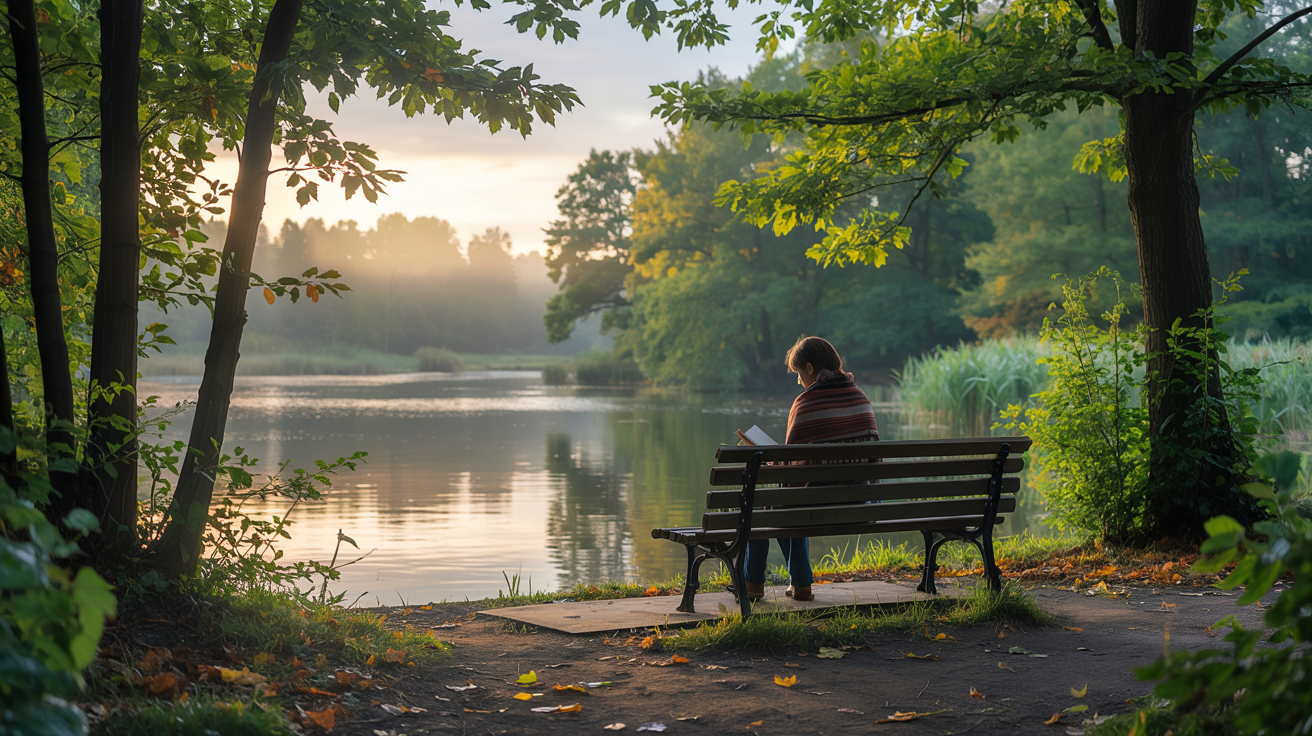
Incorporate regular moments of solitude into your daily life. This could be as simple as enjoying your morning coffee in silence or taking a solo walk in nature.
Disconnecting from devices helps you avoid distractions and fully engage with your alone time. Set boundaries around screen time to create more space for solitude.
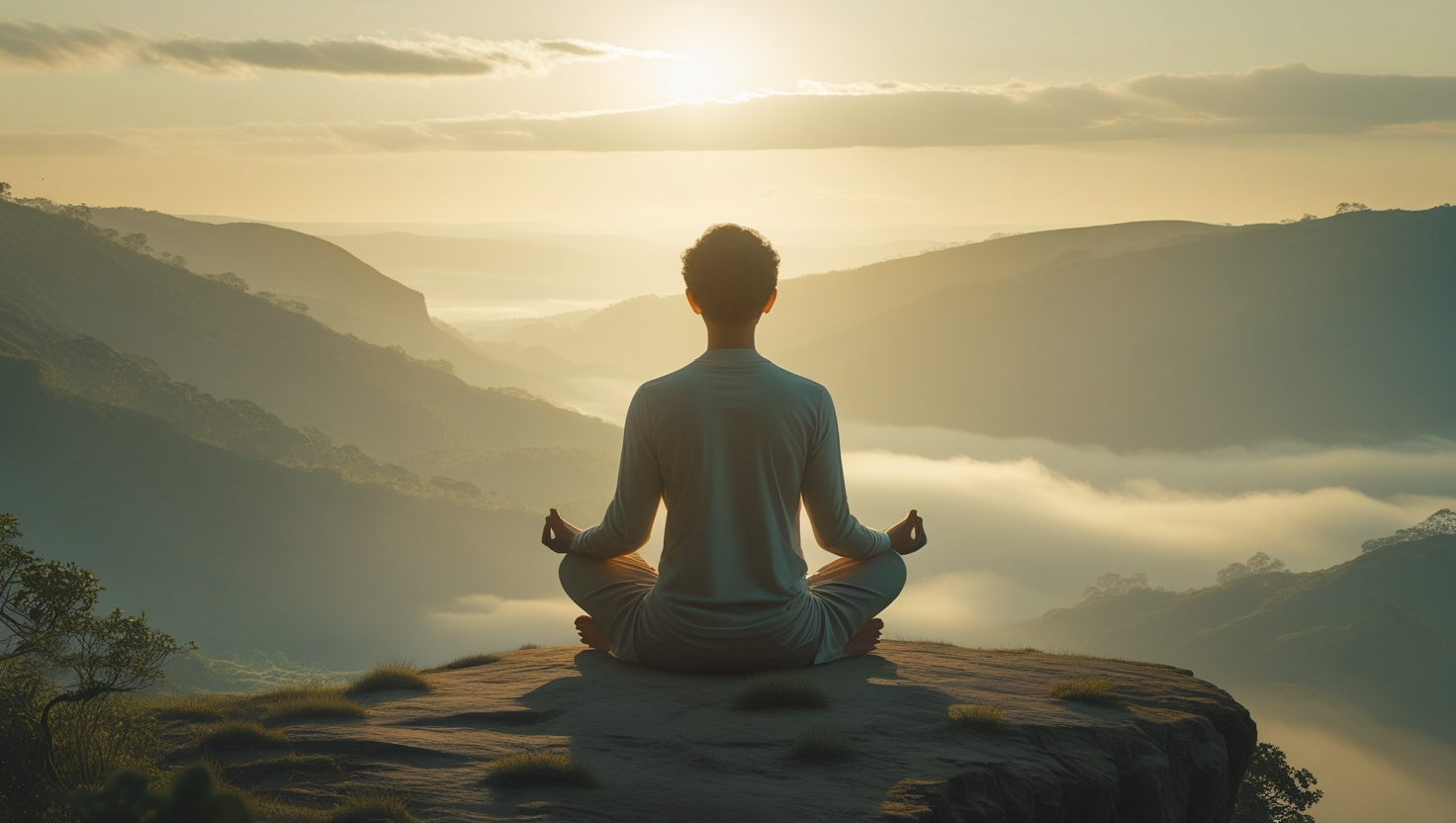
Use solitude as an opportunity to practice mindfulness. Focus on the present moment, whether through meditation, deep breathing, or simply observing your surroundings.
Engage in activities that you enjoy doing alone, such as reading, journaling, painting, or hiking. These pursuits allow you to connect with yourself and nurture your passions.
Block out time in your calendar for solitude, treating it as a non-negotiable appointment with yourself. Consistency is key to reaping the benefits of alone time.
When you spend time alone, you learn to rely on yourself and appreciate your own company. This self-sufficiency boosts confidence and independence.
Solitude helps you align your life with your values and priorities. By clarifying what matters most to you, you can make choices that lead to greater satisfaction and joy.
Solitude fosters a deep sense of inner peace by allowing you to step back from life’s demands and reconnect with yourself. This calmness becomes a foundation for navigating life’s challenges with grace.
Through solitude, you discover your authentic self—your true desires, passions, and purpose. Living in alignment with your authenticity brings a profound sense of fulfillment.
Many people avoid solitude because they fear being alone with their thoughts. Overcoming this fear requires small, intentional steps toward embracing alone time.
Society often values extroversion and constant interaction. Challenge these norms by prioritizing solitude and communicating its importance to others.
In busy lives, solitude can feel like a luxury. Prioritize alone time by simplifying your schedule and letting go of nonessential commitments.
While solitude is vital, balance is key. Fulfillment comes from both connecting with yourself and engaging meaningfully with others.
Use the insights gained from solitude to enrich your relationships. Be present, authentic, and intentional in your interactions.
While solitude fosters self-reliance, it’s also important to have a support network of trusted friends and loved ones. Balance alone time with meaningful connections.
Listen to your inner voice and honor your needs for both solitude and connection. The balance may shift over time, and that’s okay.
Solitude is not a one-time experience but a lifelong practice that evolves as you grow. By making solitude a regular part of your life, you create a foundation for ongoing fulfillment and self-discovery.
Use solitude to reflect on your personal growth journey and celebrate your progress. Recognize how far you’ve come and set intentions for where you want to go.
Solitude is an act of self-love. Use it to care for your mind, body, and spirit, ensuring that you remain aligned with your values and purpose.
The growth and insights gained from solitude can inspire and benefit others. Share your experiences and encourage others to explore the transformative power of alone time.
Solitude is not an escape from life but a journey into its depths. By embracing alone time, we discover who we are, what we value, and how we want to live. Solitude fosters creativity, emotional resilience, self-awareness, and a profound sense of fulfillment.
In the stillness of solitude, we find the strength to navigate life’s complexities and the clarity to pursue what truly matters. By making solitude a part of our lives, we create the foundation for a more meaningful, authentic, and fulfilling existence. Let us embrace the magic of being alone, trusting that in the quiet moments, we uncover the richest treasures of the soul.