Solitude vs. Loneliness: Understanding the Difference

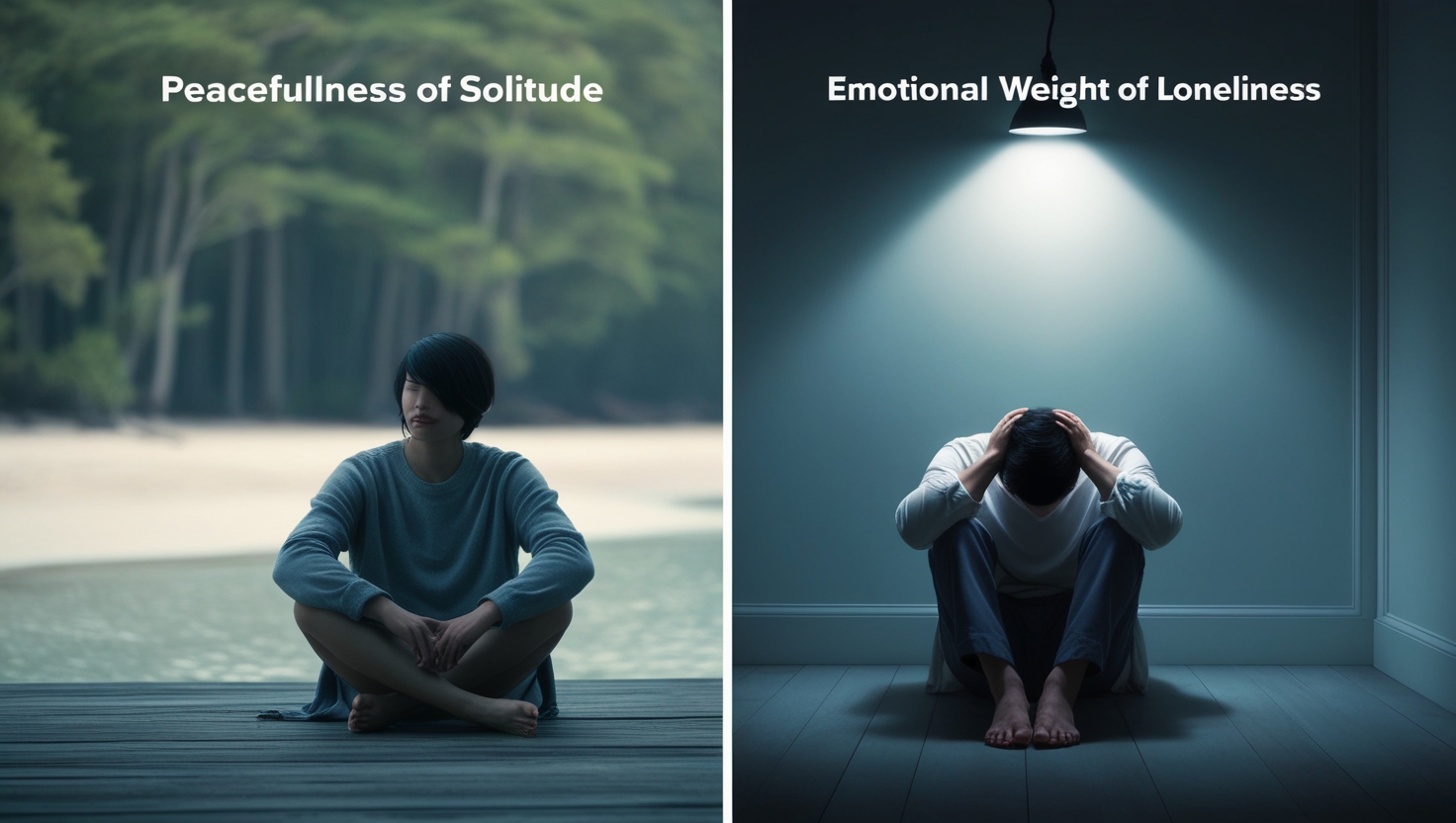
In a world where social interactions are often prioritized and loneliness is seen as something to avoid, it’s easy to conflate the concepts of solitude and loneliness. While both involve being alone, they are fundamentally different in their impact on our mental, emotional, and even physical well-being. Solitude is a deliberate choice to embrace time alone, often leading to peace, creativity, and self-discovery. Loneliness, on the other hand, is an unwelcome state that can bring feelings of sadness, isolation, and disconnection.


Defining Solitude and Loneliness

To truly understand the difference, it’s important to define these two experiences clearly.

What Is Solitude?

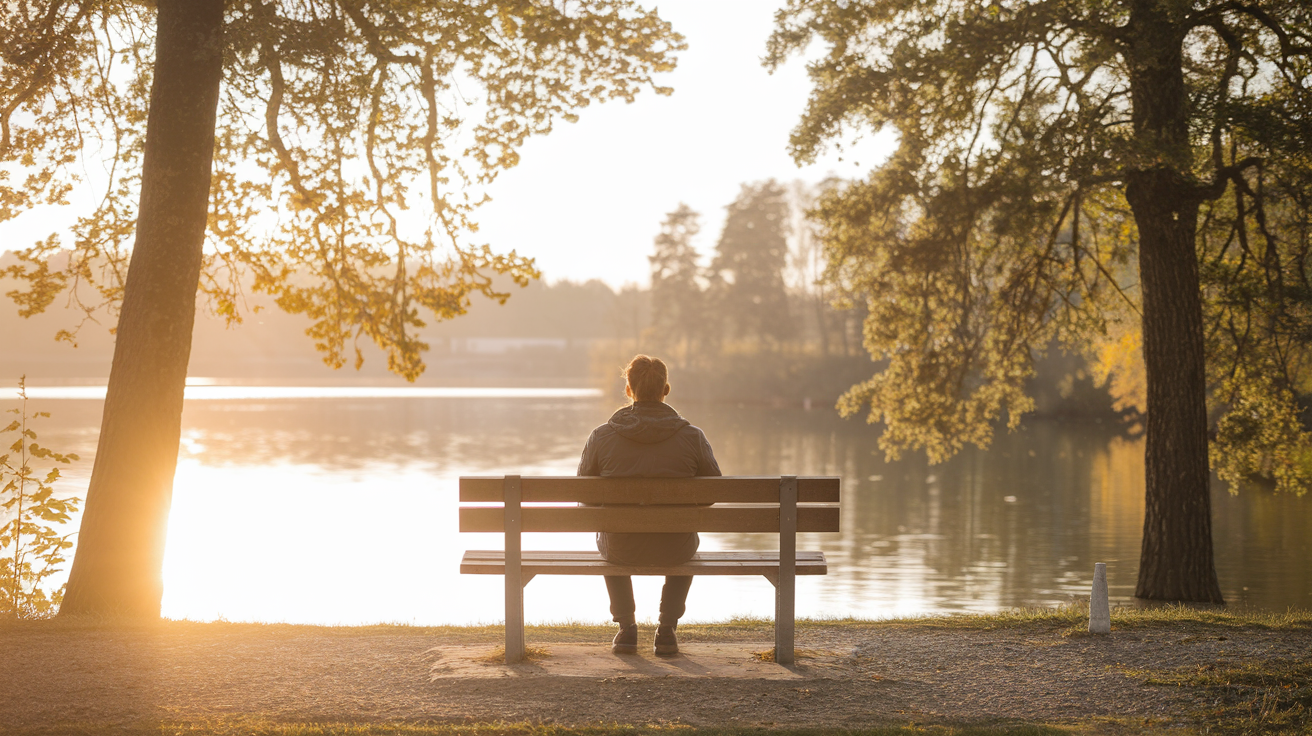
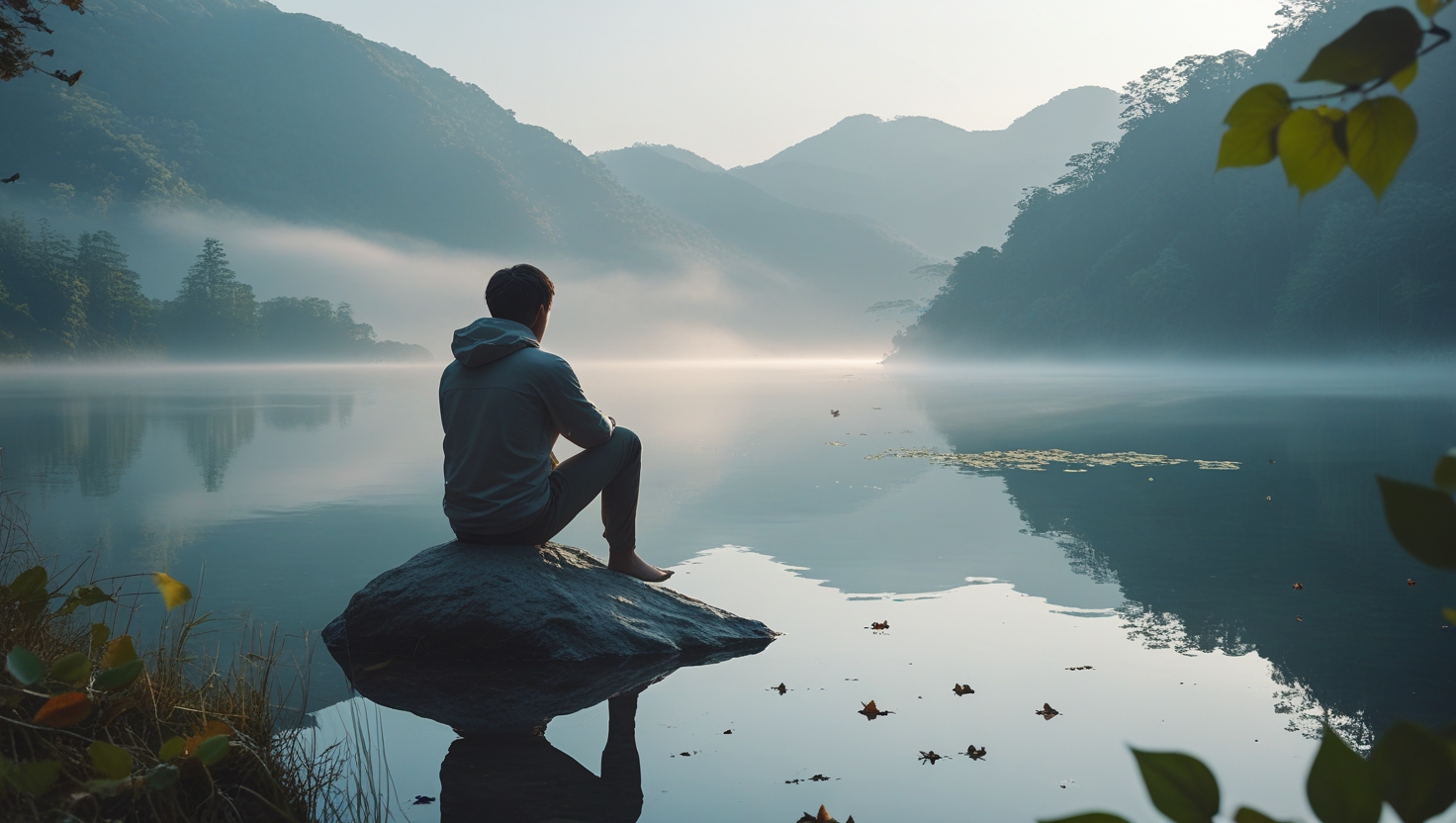
Solitude is the intentional act of spending time alone, free from the distractions of others. It is a state of being that allows for introspection, reflection, and a deeper connection with oneself. Solitude is often associated with feelings of peace and rejuvenation.

Key Characteristics of Solitude:

  • Chosen and voluntary.
  • Provides space for reflection and self-discovery.
  • Can enhance creativity and focus.
  • Often accompanied by a sense of peace and contentment.

Examples of Solitude in Action:

  • Taking a solitary walk in nature.
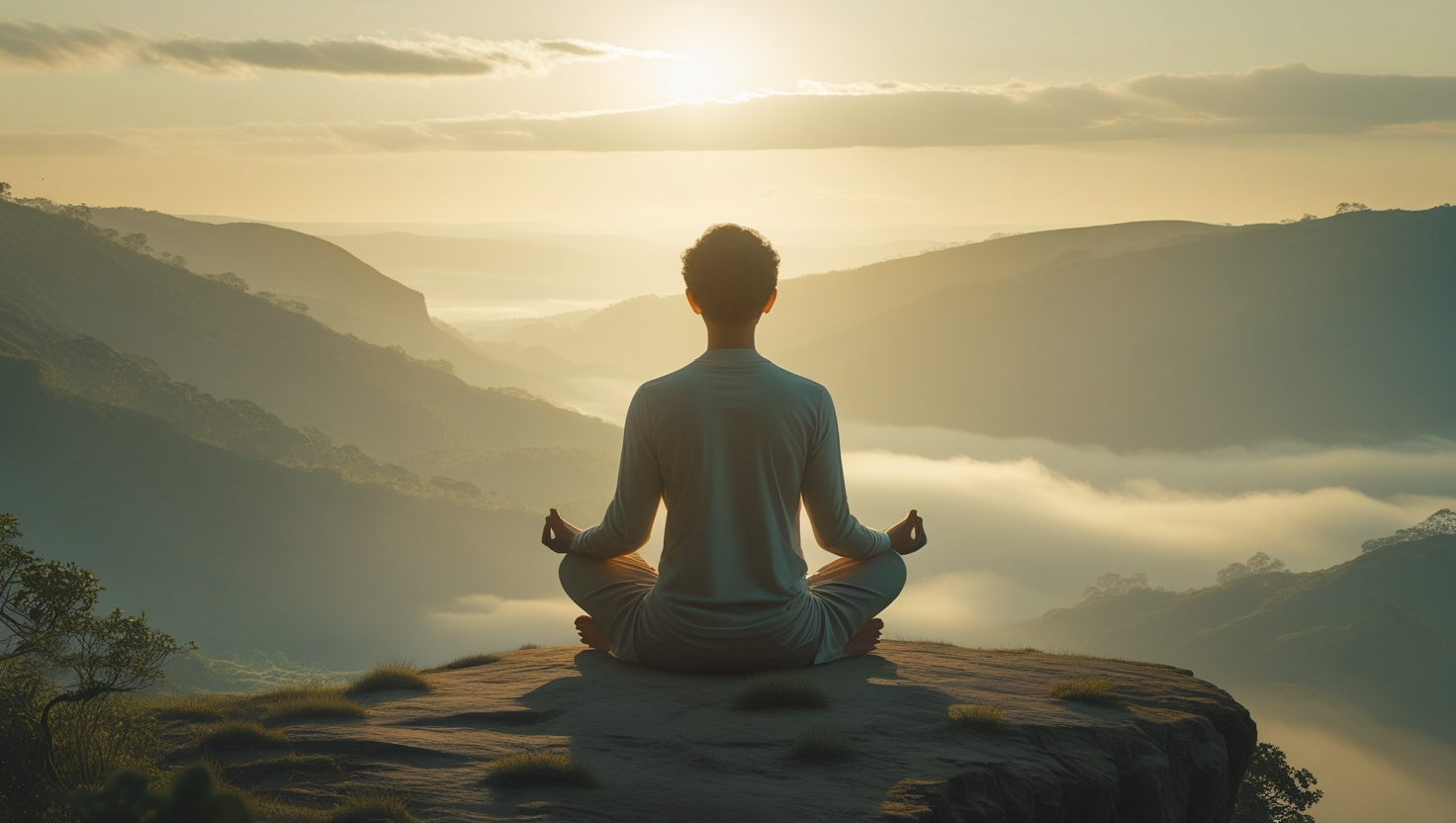
  • Meditating or practicing mindfulness alone.
  • Journaling personal thoughts and experiences.
  • Spending a quiet evening reading or listening to music.

What Is Loneliness?

Loneliness is an emotional state characterized by a perceived lack of connection or companionship. Unlike solitude, loneliness is often involuntary and associated with negative feelings such as sadness, emptiness, and longing for social interaction. It can occur even when surrounded by people.

Key Characteristics of Loneliness:

  • Involuntary and often painful.
  • Results from feeling disconnected or isolated.
  • Can lead to negative emotions like sadness, anxiety, and hopelessness.
  • Often accompanied by a desire for social connection.

Examples of Loneliness in Action:

  • Feeling isolated in a crowded room or social event.
  • Experiencing a sense of disconnection from friends or family.
  • Longing for companionship during difficult times.

The Key Differences Between Solitude and Loneliness

1. Choice vs. Circumstance

  • Solitude is a choice. It is an intentional decision to spend time alone, often for personal growth, reflection, or relaxation.
  • Loneliness is circumstantial. It arises when one feels isolated or disconnected, regardless of whether they are physically alone or surrounded by others.

2. Emotional Impact

  • Solitude is often accompanied by positive emotions such as peace, calm, and contentment. It allows for emotional processing and mental rejuvenation.
  • Loneliness is typically associated with negative emotions such as sadness, anxiety, and a sense of emptiness. It can have detrimental effects on mental health if prolonged.

3. Purpose vs. Pain

  • Solitude serves a purpose. It is a tool for self-discovery, creativity, and personal growth. Many people seek solitude to gain clarity, focus, or inspiration.
  • Loneliness is often painful and unproductive. It can create a sense of longing and discontent, leading to feelings of helplessness or despair.

4. Autonomy vs. Isolation

  • Solitude is empowering. It is an opportunity to take control of one’s time and focus inward, fostering independence and self-reliance.
  • Loneliness can feel disempowering. It is marked by a sense of exclusion or lack of control over one’s social connections.

The Benefits of Solitude

Solitude, when embraced intentionally, can have numerous positive effects on mental, emotional, and physical well-being.

1. Enhanced Self-Awareness

Spending time alone allows for introspection and self-reflection. It provides an opportunity to understand one’s thoughts, emotions, and desires without external influence.

Example:

  • Journaling during solitude can help clarify personal values and goals.

2. Increased Creativity

Many great thinkers, writers, and artists have sought solitude to enhance their creativity. Without distractions, the mind can wander freely, making connections that might not be apparent in the presence of others.

Example:

  • Albert Einstein often credited his solitary thinking time for his groundbreaking scientific insights.

3. Improved Focus and Concentration

Solitude removes external distractions, allowing for deeper concentration and enhanced problem-solving abilities. It creates an environment conducive to deep work and focused thinking.

Example:

  • Working on a complex project in solitude can lead to greater productivity and innovative solutions.

4. Emotional Resilience

Spending time alone can help individuals develop greater emotional resilience. It allows for the processing of emotions in a safe, judgment-free environment.

Example:

  • Meditation or mindfulness practices during solitude can reduce stress and increase emotional stability.

The Dangers of Loneliness

While solitude can be enriching, loneliness is often detrimental to well-being. Chronic loneliness can have serious consequences for mental, emotional, and physical health.

1. Mental Health Implications

Loneliness is linked to increased rates of depression, anxiety, and other mental health issues. The feeling of being disconnected can exacerbate feelings of worthlessness and hopelessness.

Example:

  • Studies show that people who experience chronic loneliness are at a higher risk of developing depressive disorders.

2. Physical Health Consequences

Loneliness has been associated with a range of physical health problems, including heart disease, weakened immune function, and even premature death. It is as detrimental to health as smoking or obesity.

Example:

  • Research indicates that loneliness can increase the risk of cardiovascular disease and other health issues.

3. Impact on Cognitive Function

Chronic loneliness can impair cognitive function, leading to memory problems and decreased cognitive performance. It can also increase the risk of developing dementia in older adults.

Example:

  • Older adults who experience prolonged loneliness are more likely to develop Alzheimer’s disease or other forms of dementia.

How to Embrace Solitude Without Falling into Loneliness

1. Set Intentional Alone Time

Make solitude a deliberate practice by setting aside specific times for reflection, creativity, or relaxation. Approach it with intention, focusing on the benefits rather than the absence of others.

Tip:

  • Create a daily ritual, such as a morning meditation or an evening walk, to embrace solitude.

2. Engage in Meaningful Activities

Use solitude as an opportunity to engage in activities that bring joy and fulfillment, such as reading, writing, painting, or gardening. These activities can turn solitude into a rewarding experience.

Tip:

  • Explore hobbies or creative pursuits that allow for personal expression and growth.

3. Practice Mindfulness and Gratitude

Mindfulness practices help cultivate a sense of presence and awareness during solitude, while gratitude can shift focus away from what is missing to what is present and positive.

Tip:

  • Keep a gratitude journal to reflect on the positive aspects of solitude and life in general.

4. Maintain Social Connections

While solitude is important, maintaining meaningful social connections is equally crucial. Balance time alone with quality interactions with friends, family, or community.

Tip:

  • Schedule regular check-ins with loved ones to nurture relationships while enjoying solitude.

Finding Balance Between Solitude and Loneliness

Understanding the difference between solitude and loneliness is essential for cultivating a healthy, balanced life. Solitude, when embraced intentionally, can be a powerful source of mental clarity, creativity, and peace. It offers a unique opportunity to connect with oneself and foster personal growth.

Loneliness, however, is a signal that deeper social needs are unmet. Recognizing the distinction allows us to seek solitude when needed and address loneliness with compassion and proactive strategies.

In embracing solitude while remaining connected to others, we can find the perfect balance—a life enriched by the beauty of both self-reflection and meaningful relationships.

“In solitude, we find ourselves. In loneliness, we long for others. Knowing the difference is the key to a fulfilled life.”


This is a block of text. Double-click this text to edit it.

Leave a Reply

Your email address will not be published. Required fields are marked *

Slow Cooking

Savor the Moment: The Art of Slow Cooking for Peaceful Evenings

In the midst of our hectic lives filled with buzzing notifications, looming ...

Sweat Together, Even Apart: The Social Benefits of Fitness Apps.

In today’s hyper-digital world, loneliness and isolation have become increasingly common issues. ...

Whispers of Wisdom: Life Lessons Found in the Peace of Solitude.

In a world that often glorifies busyness, solitude can seem like a ...

Nourish to Flourish: Practicing Self-Care Through Healthy Eating.

In today’s fast-paced world, self-care often takes a backseat to work, responsibilities, ...

Soup for the Soul: Cozy, Comforting Bowls to Lift Your Spirits.

Nothing soothes the soul quite like a warm bowl of soup. Whether ...

Effortless Elegance: Create a Unique Signature Look Without Overspending.

Style is not about the price tag it’s about confidence, creativity, and ...

Brain Food: How Green Vegetables Boost Mental Clarity and Focus.

In today’s fast-paced world, maintaining sharp mental focus and clarity is essential. ...

Online Therapy: The Role of Technology in Overcoming Loneliness.

Loneliness is more than just a fleeting emotion; it can have serious ...

Wander Alone, Discover More: Solo Backpacking Through Spain & Portugal

Solo backpacking is more than just a journey; it’s a transformative experience ...

The Healing Power of Solitude: Building Emotional Strength Through Alone Time.

In a world filled with noise, expectations, and constant interaction, solitude often ...

Finding Yourself in Silence: How Solitude Brings Personal Clarity.

Many of us feel out of touch with ourselves in a world ...

Top 20 Must-Visit Destinations in Asia: Your Ultimate Travel Guide.

Asia, the largest continent on Earth, is a treasure trove of cultural ...

Discover America: A Travel Enthusiast’s Guide to the Top 10 U.S. Destinations.

The United States is a land of incredible diversity, offering something for ...

Work-Life Harmony Through Solitude: How Alone Time Can Transform Your Balance.

In our modern, fast-paced world, achieving work-life harmony often feels like an ...

Self-Discovery in Silence: The Role of Solitude in Shaping Identity

In an increasingly connected world, silence and solitude are often seen as ...
magnifiercross