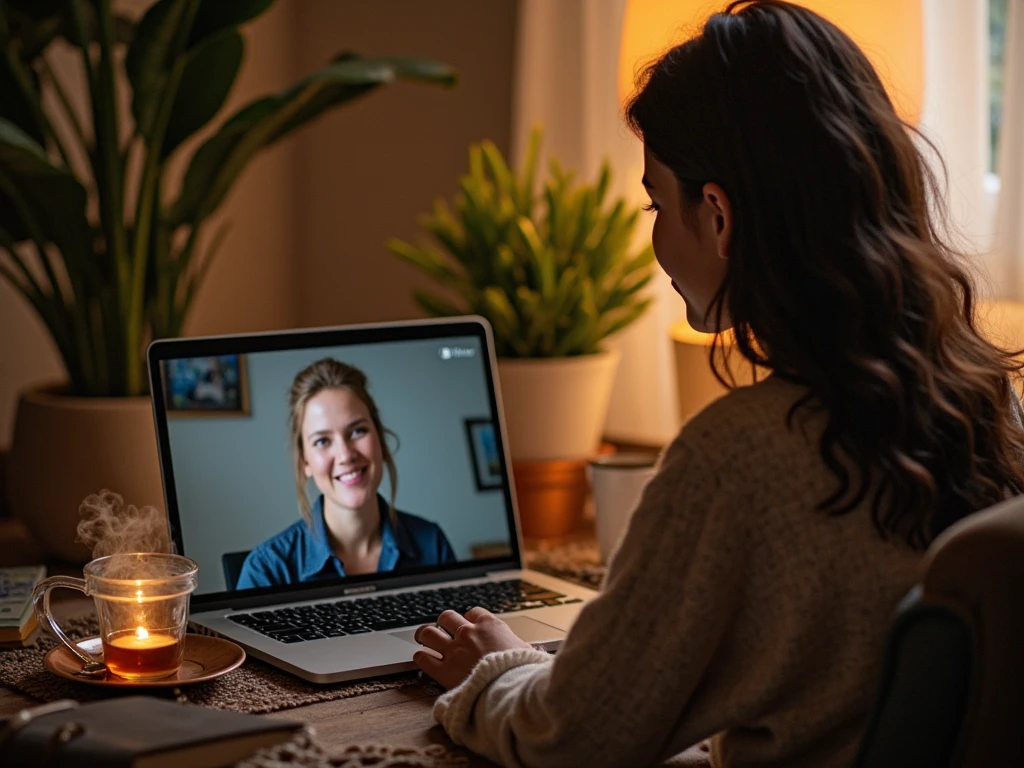


In our fast-paced, hyper-connected world, relationships often suffer from a lack of intentional focus. We may spend time together, but that time is often crowded with distractions, leaving little room for genuine connection. Paradoxically, the time we spend alone—often viewed as separate from relationships—can be one of the most valuable tools for fostering deeper, more meaningful connections with others.
Alone time offers us the opportunity to reflect, recharge, and cultivate personal growth, which in turn strengthens our relationships. By intentionally using solitude to nurture ourselves, we can become more present, empathetic, and emotionally resilient partners, friends, and family members.
Many people equate love with constant togetherness, believing that spending time apart weakens bonds. However, healthy relationships thrive when both individuals have the space to grow independently. Alone time is not about creating distance but about cultivating the self-awareness and inner balance that allow for healthier, more fulfilling connections.
When we spend time alone, we gain clarity about our needs, desires, and boundaries. This self-knowledge allows us to communicate more effectively in our relationships. Knowing who we are and what we want makes it easier to express those needs to others, creating a foundation for a deeper connection.
Relationships can be emotionally demanding. Alone time provides an opportunity to recharge, process emotions, and prevent burnout. It allows us to bring our best selves to our relationships rather than showing up drained or resentful.
Healthy relationships are built on mutual respect and the recognition that each person is a whole, independent individual. Spending time alone fosters a sense of independence that strengthens the relationship by reducing unhealthy dependency.
Alone time allows us to reflect on our communication patterns. Are we expressing ourselves clearly? Are we listening with empathy? By examining our interactions in solitude, we can identify areas for improvement and approach conversations with greater mindfulness.
When we take time to reflect on our own experiences and emotions, we become more attuned to the experiences and emotions of others. This self-reflection fosters empathy, enabling us to approach our relationships with greater understanding and compassion.
In the heat of conflict, it can be difficult to think clearly. Alone time provides the space to step back, process emotions, and gain perspective. It allows us to approach conflicts with a calm, thoughtful mindset, leading to more constructive resolutions.
Spending time apart can deepen our appreciation for the time we spend together. It creates a sense of longing that can reignite passion and gratitude, reminding us not to take our relationships for granted.
Use your alone time to engage in self-reflection. Ask yourself:
Journaling is an effective way to explore these questions. Write about your thoughts and feelings, and reflect on recent interactions to identify patterns or areas for growth.
Practicing mindfulness or meditation during alone time can help you develop greater emotional regulation. When you’re more present and centered, you’re better equipped to handle the ups and downs of relationships with grace and patience.
Set personal goals that align with your relationship growth. For example, you might aim to practice active listening, express gratitude more often, or work on managing your reactions during conflicts. Use alone time to track your progress and reflect on your successes and challenges.
Pursuing hobbies and interests during alone time enriches your life and gives you more to share with others. It also demonstrates to your partner or loved ones that you value your growth, which can inspire them to do the same.
Spend time reflecting on the aspects of your relationships for which you are grateful. Consider writing a gratitude journal where you document positive moments, kind gestures, and meaningful conversations. This practice fosters a sense of appreciation and positivity that can enhance your interactions.
While alone time is crucial, balancing it with quality time together is equally important. Striking the right balance ensures that your relationships remain strong and connected.
Be open with your partner or loved ones about your need for alone time. Explain that it’s not a sign of withdrawal but a way to nurture yourself so you can show up fully in the relationship. Encourage them to take their own alone time as well.
Focus on making the time you spend together meaningful. Instead of spending hours together distracted by screens or multitasking, set aside dedicated time for connection. Engage in activities that foster closeness, such as sharing a meal, walking, or having a deep conversation.
Set clear boundaries around your alone time. Let others know when you need space and create routines supporting solitude and togetherness. For example, you might dedicate certain times of the day to alone time and others to shared activities.
Alone time can be especially valuable during conflict or change in a relationship. It provides the space to process emotions, gain perspective, and work through challenges healthily.
During alone time, reflect on the underlying causes of any conflicts or challenges. Ask yourself:
Alone time is an opportunity to practice forgiveness, both for yourself and others. Reflect on any lingering resentments, and work on letting go of negative emotions. This can free you from the burden of anger and create space for healing.
Stepping away from a situation allows you to see it from a different perspective. Use your alone time to consider the other person’s point of view and explore alternative ways of understanding the issue.
As you integrate intentional alone time into your life, you’ll likely notice positive changes in your relationships. You may feel more centered, more patient, and more compassionate. Your communication may become clearer, and conflicts may become less frequent or intense.
Alone time empowers you to bring your best self to your relationships, fostering deeper intimacy, trust, and connection. It reminds us that love is not about losing ourselves in another but about growing alongside them, as whole and independent individuals.
Alone time is not a luxury but a necessity for personal and relational growth. It allows us to nurture our inner world, gain clarity about our needs and desires, and cultivate the qualities that make us better partners, friends, and family members. By embracing solitude, we enhance our capacity for love, empathy, and connection.
In a world that often values constant togetherness, let us remember the power of time spent alone. Let us use it to grow, to heal, and to become the kind of people who can love deeply and authentically. In the stillness of solitude, we find the strength to build lasting, meaningful relationships.