

Creativity is one of humanity’s most powerful tools, driving innovation, self-expression, and cultural progress. Yet, in a world buzzing with distractions, where collaboration and connectivity are often emphasized, solitude—a state of intentional aloneness—is often overlooked as a catalyst for creative breakthroughs.
History, science, and personal experiences reveal a profound connection between solitude and creativity. Whether you're an artist, writer, scientist, or thinker, embracing solitude can unlock your inner genius, offering the clarity and focus needed for innovation.
Creativity flourishes in environments that allow the mind to wander freely, explore new ideas, and connect seemingly unrelated concepts. Solitude provides the perfect conditions for this mental state.
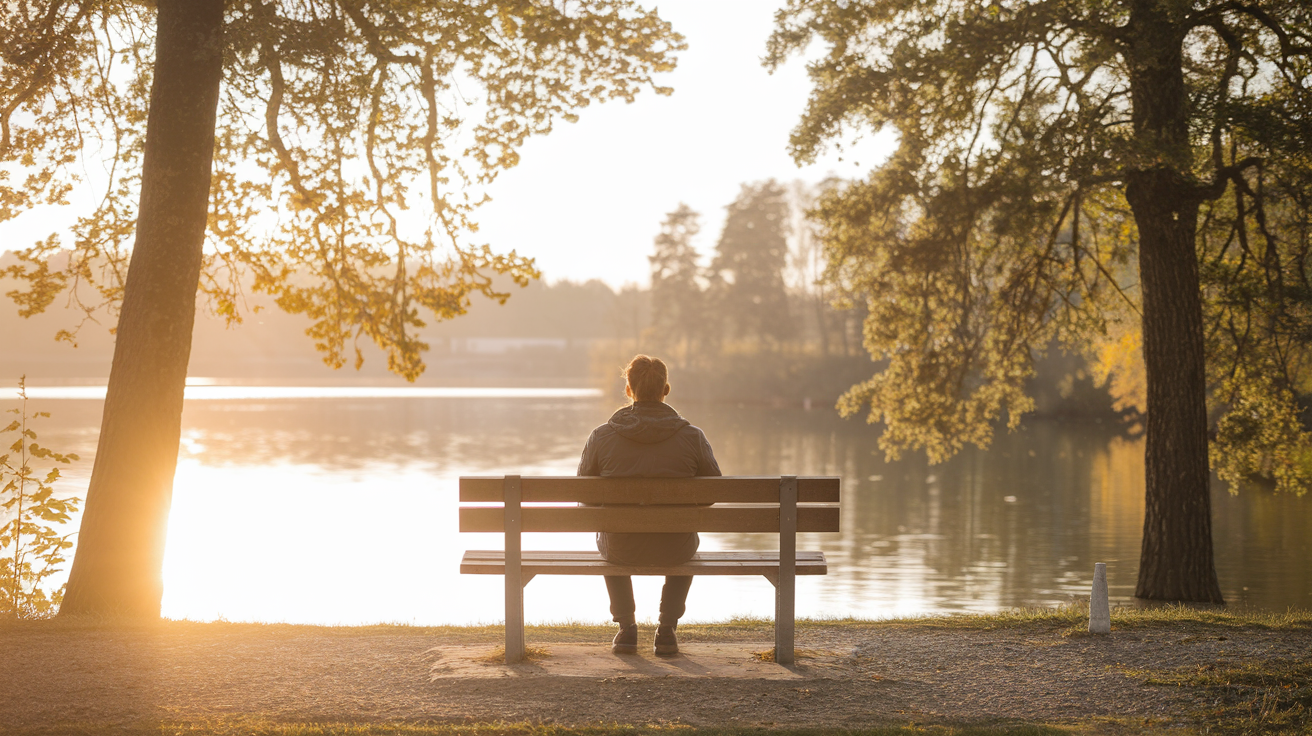
Solitude removes external distractions, creating mental space for reflection and deep thought. This quiet environment allows creative individuals to explore ideas without interruption.
Virginia Woolf, one of the most innovative writers of the 20th century, famously advocated for "a room of one’s own"—a space where solitude could fuel artistic expression.
Divergent thinking—the ability to generate multiple solutions to a problem—is a cornerstone of creativity. Solitude encourages this process by freeing the mind from external influences and allowing it to explore unconventional ideas.
Solitude fosters self-awareness, helping individuals better understand their thoughts, feelings, and creative impulses. This introspection can lead to deeper, more authentic creative expressions.
When the brain is at rest, the Default Mode Network (DMN) becomes active. This network is responsible for self-referential thinking, daydreaming, and creativity. Solitude provides the perfect environment for DMN activation, enabling creative thought and problem-solving.
Scientific Insight:
A 2013 study published in Psychological Science found that individuals who allowed their minds to wander during periods of solitude were better able to generate creative ideas compared to those focused on external tasks.
Social interactions, multitasking, and constant connectivity increase cognitive load, leaving little mental energy for creativity. Solitude reduces this load, freeing up cognitive resources for imaginative thinking.
Solitude minimizes distractions, making it easier to enter a flow state—a mental state of deep focus and immersion where creativity thrives.
Scientific Insight:
Psychologist Mihaly Csikszentmihalyi, who coined the term "flow," emphasized the importance of uninterrupted focus, often achieved through solitude, for creative excellence.
Throughout history, some of the greatest creative minds have relied on solitude to produce their most iconic works.
Einstein often retreated into solitude to think deeply about complex scientific concepts. His ability to focus in isolation led to revolutionary theories, including the theory of relativity.
Quote:
"I live in that solitude which is painful in youth but delicious in the years of maturity."
The reclusive poet Emily Dickinson spent most of her life in solitude, producing over 1,800 poems that continue to resonate with readers today. Her isolation allowed her to explore the depths of her imagination and emotions.
Tesla, one of the most prolific inventors in history, valued solitude as a crucial component of his creative process. He believed that being alone was essential for true innovation.
Solitude provides the mental freedom to brainstorm and generate ideas without external judgment or constraints.
A writer might spend hours alone crafting characters and storylines that reflect their inner thoughts and emotions
Complex problems often require deep focus and innovative thinking. Solitude allows individuals to analyze challenges from multiple perspectives, leading to creative solutions.
Isaac Newton developed his groundbreaking theories of motion and gravity during his time in solitude after the Great Plague of London.
The solitude required for the creative process doesn’t end with idea generation. Alone time is equally critical for refining, editing, and perfecting creative works.
A painter might use solitude to meticulously adjust the details of a canvas, ensuring that the final piece aligns with their vision.
Social norms and expectations can stifle creativity, discouraging individuals from pursuing unconventional ideas. Solitude creates a judgment-free zone where creative expression can flourish.
Tip:
Use solitude as an opportunity to explore bold, unconventional ideas without fear of criticism.
Constant stimulation from social media, work, and personal responsibilities can overwhelm the mind, making it difficult to think creatively. Solitude offers a reprieve from this mental noise, fostering clarity and focus.
Tip:
Schedule regular "digital detox" periods during your solitude to minimize distractions and boost creativity.
The creative process often requires time and patience—qualities that are nurtured in solitude. Without the pressure of immediate results, individuals can explore their ideas fully and develop them organically.
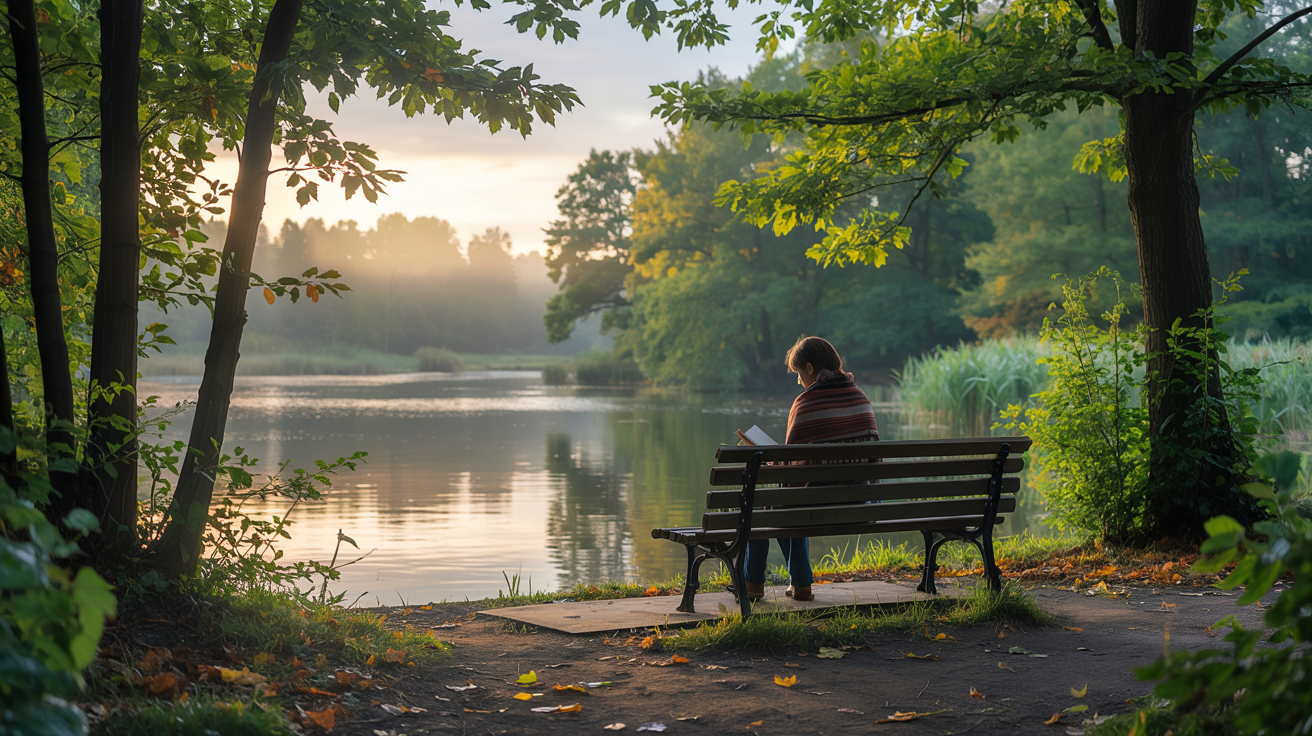
Designate a quiet, comfortable space where you can retreat to focus on your creative work. This could be a home office, a secluded corner, or even a spot in nature.
Incorporate periods of solitude into your daily schedule, such as early mornings or late evenings, when interruptions are minimal.
Routine:
Balance intense creative work with moments of rest and reflection. This cyclical process of focus and relaxation enhances both productivity and creativity.
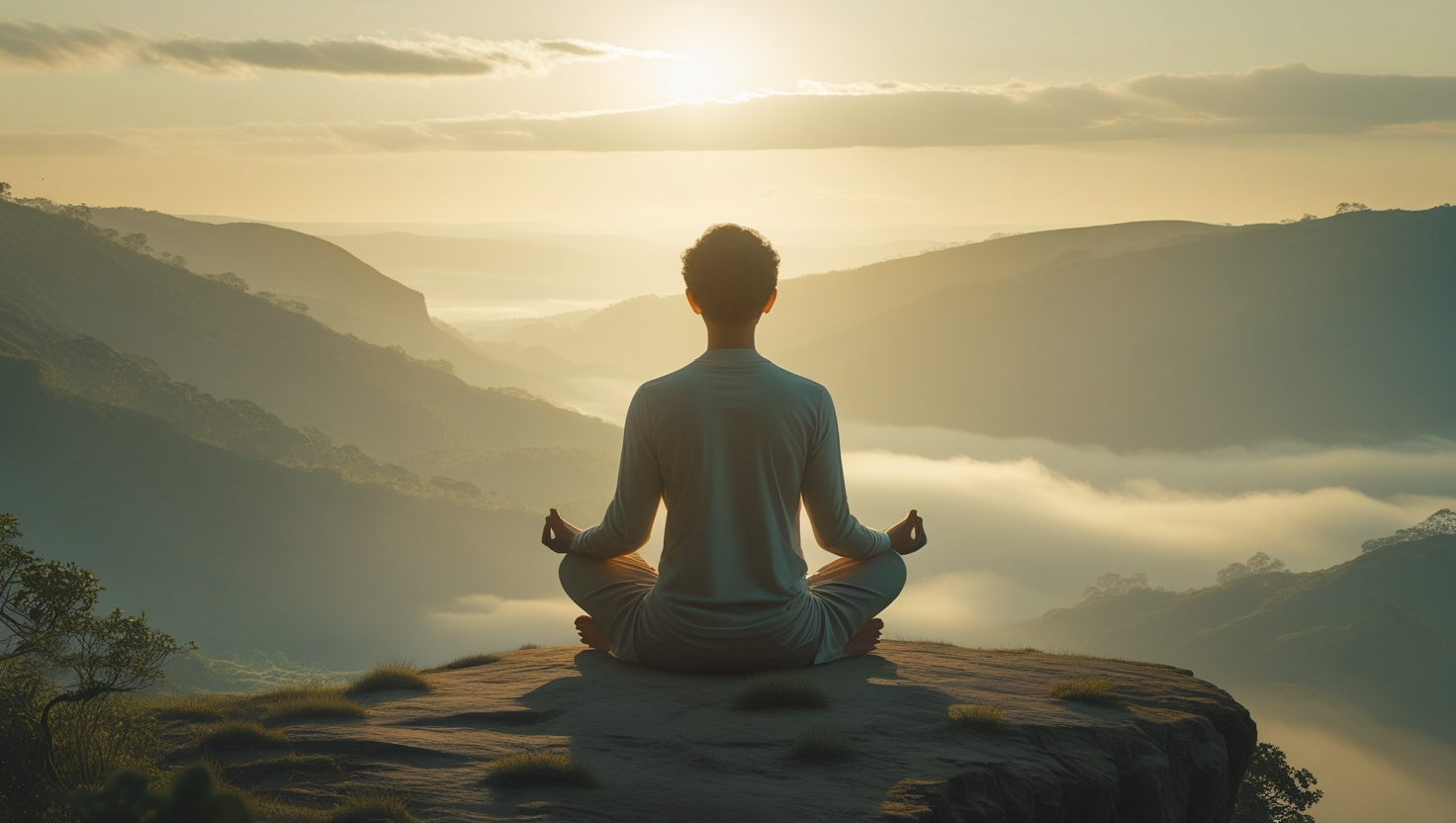
Mindfulness practices like meditation can enhance the benefits of solitude by sharpening focus and fostering a sense of presence.
Spending time alone in nature has been shown to reduce stress and stimulate creativity. The tranquility of natural environments provides the perfect backdrop for imaginative thinking.
While solitude is essential for creativity, collaboration also plays a vital role in refining and expanding creative ideas. The key is to strike a balance between the two.
Start the creative process in solitude to brainstorm and develop your ideas.
Once you’ve fleshed out your ideas, share them with trusted collaborators for feedback and new perspectives.
After gathering input, retreat into solitude to refine and perfect your creative work.
Solitude is not just a state of being alone; it is a powerful tool for unlocking your inner genius. By creating space for introspection, focus, and imagination, solitude nurtures creativity in profound ways.
The science is clear: periods of intentional solitude activate the brain’s creative networks, reduce stress, and enhance problem-solving abilities. History is filled with examples of great minds who embraced solitude to achieve their most significant breakthroughs.
In a noisy, connected world, solitude is a sanctuary—a space where the seeds of creativity can take root and flourish. By embracing solitude intentionally, you can unlock your potential, discover your inner genius, and bring your most imaginative ideas to life.
“Solitude is the soil where creativity grows. Tend to it, and your inner genius will bloom.”