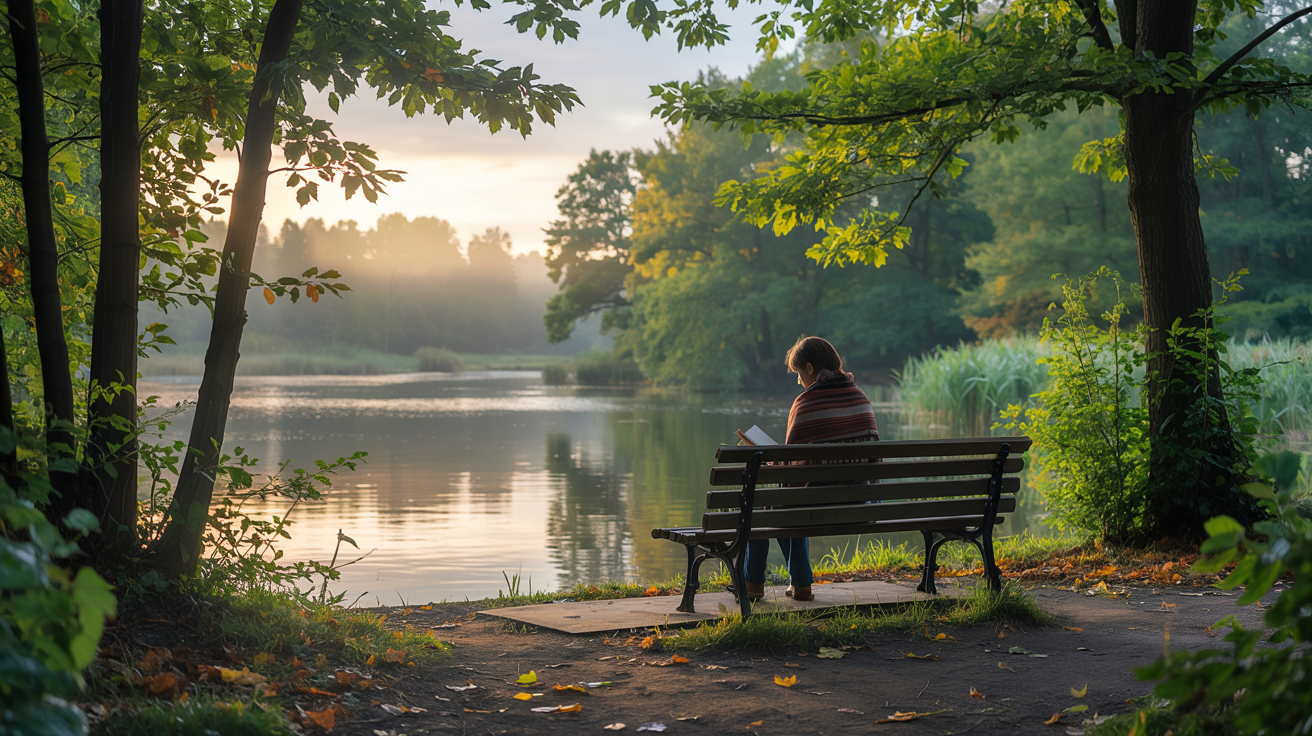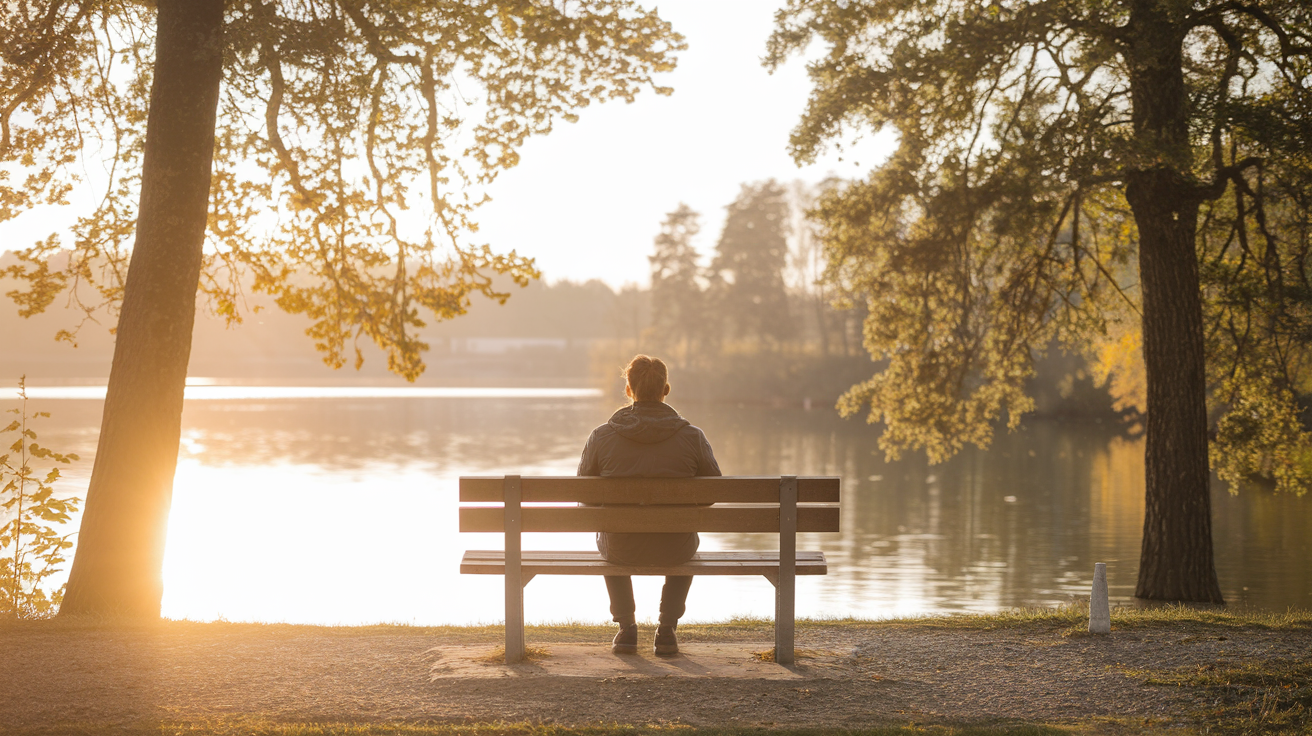


In a world that often rewards extroverted qualities like sociability, assertiveness, and high-energy interaction, the introverted mind is frequently misunderstood or undervalued. Yet introverts possess unique strengths that thrive in the quiet, reflective spaces that solitude provides. Far from being a sign of weakness or antisocial tendencies, solitude is a sanctuary for introverts, offering a rich environment for self-discovery, creativity, and personal growth.
Introversion is not simply a preference for being alone but rather a personality trait characterized by a focus on internal thoughts, feelings, and experiences. Introverts tend to recharge their energy in quieter, less stimulating environments, as opposed to extroverts, who gain energy from social interaction.
Key Traits of Introverts:
For introverts, solitude is not just a preference; it is essential for maintaining mental and emotional well-being. Time alone allows introverts to process their experiences, clarify their thoughts, and reconnect with their inner selves.
Social interactions, while enjoyable, can be draining for introverts. Solitude provides the space needed to replenish mental and emotional reserves.
Example:
After attending a party or work event, an introvert may seek quiet time to decompress and regain their energy.
Solitude encourages introspection, helping introverts better understand their feelings, motivations, and goals. This heightened self-awareness is one of the introverted mind's greatest strengths.
Insight:
Journaling, meditating, or simply daydreaming during alone time can lead to profound insights about oneself and one’s place in the world.
The quietude of solitude allows the introverted mind to wander freely, making connections between ideas and sparking creative inspiration.
Example:
Many renowned artists, writers, and thinkers—such as Emily Dickinson, Franz Kafka, and J.K. Rowling—credit solitude as a key factor in their creative processes.
Introverts are more sensitive to external stimuli, such as noise, crowds, and constant interaction. Solitude provides relief from these stressors, creating a calming environment that nurtures mental health.
Scientific Insight:
Studies have shown that time spent in solitude lowers cortisol levels, the hormone associated with stress, particularly for individuals with introverted tendencies.
Time alone helps introverts process their emotions and develop coping strategies, making them more resilient in the face of life’s challenges.
Example:
An introvert who practices mindfulness during solitude is better equipped to handle difficult situations with clarity and calmness.
Solitude fosters independent thinking, allowing introverts to weigh options and make thoughtful decisions without the influence of external opinions.
While introverts value alone time, they also form deep and meaningful connections with others. Solitude enhances these relationships by giving introverts the space to reflect on their interactions and nurture their emotional bonds.
This is one of the most common misconceptions. Introverts are not antisocial; they simply prefer smaller, more intimate social settings over large, boisterous gatherings.
For introverts, solitude is rarely synonymous with loneliness. Instead, it is a choice to step away from the noise of the world and find peace within themselves.
Society often pressures introverts to adopt extroverted traits, but this undermines their unique strengths. Solitude helps introverts embrace their natural tendencies and thrive in their authenticity.
Introverts tend to have a lower threshold for dopamine stimulation, making high-energy environments less rewarding and more overwhelming. Solitude offers a balanced environment where introverts can function optimally.
The DMN, associated with self-referential thinking and creativity, is more active in introverts. Solitude allows this network to flourish, fostering reflection and innovation.
Time spent alone helps introverts manage cortisol levels, reducing stress and promoting emotional stability.
Create a space that encourages relaxation and reflection, such as a cozy reading nook, a quiet home office, or a tranquil outdoor spot.
Set aside regular times for solitude, such as a morning meditation session, a solo walk, or an evening journaling practice.
Engage in activities like yoga, meditation, or deep breathing to enhance the quality of your solitude and foster serenity.
While solitude is essential, introverts also benefit from meaningful social interactions. Striking a balance between alone time and connection ensures emotional harmony.
Use your solitude to explore creative hobbies like painting, writing, or playing music. These activities can be deeply fulfilling and provide an outlet for self-expression.
The reclusive poet Emily Dickinson found immense inspiration in her solitude, producing a body of work that continues to captivate readers worldwide.
Einstein often retreated into solitude to think deeply about complex scientific problems, leading to groundbreaking discoveries.
In today’s fast-paced world, many introverts—like authors J.K. Rowling and Susan Cain—champion the value of solitude as a key to their success.
In an extrovert-driven society, solitude is often misunderstood or undervalued. However, for introverts, it is a vital source of strength, creativity, and emotional well-being. By embracing solitude, introverts can:
For introverts, solitude is not a luxury but a necessity. It provides the mental and emotional space needed to thrive in a noisy, overstimulated world. By understanding and honoring their need for alone time, introverts can unlock their full potential and find serenity in the embrace of solitude.
“In solitude, the introverted mind finds its voice, its strength, and its boundless creativity.”