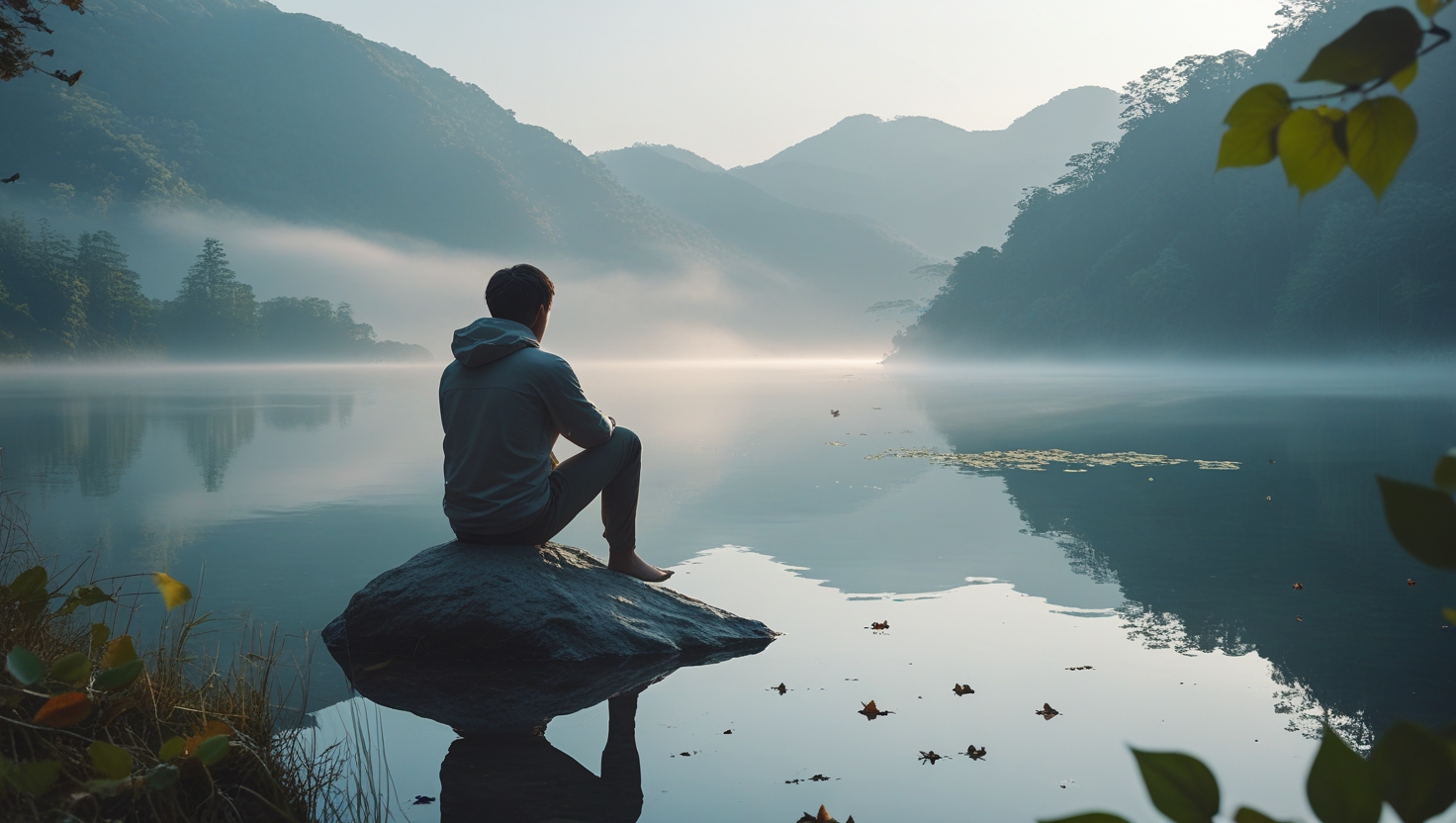


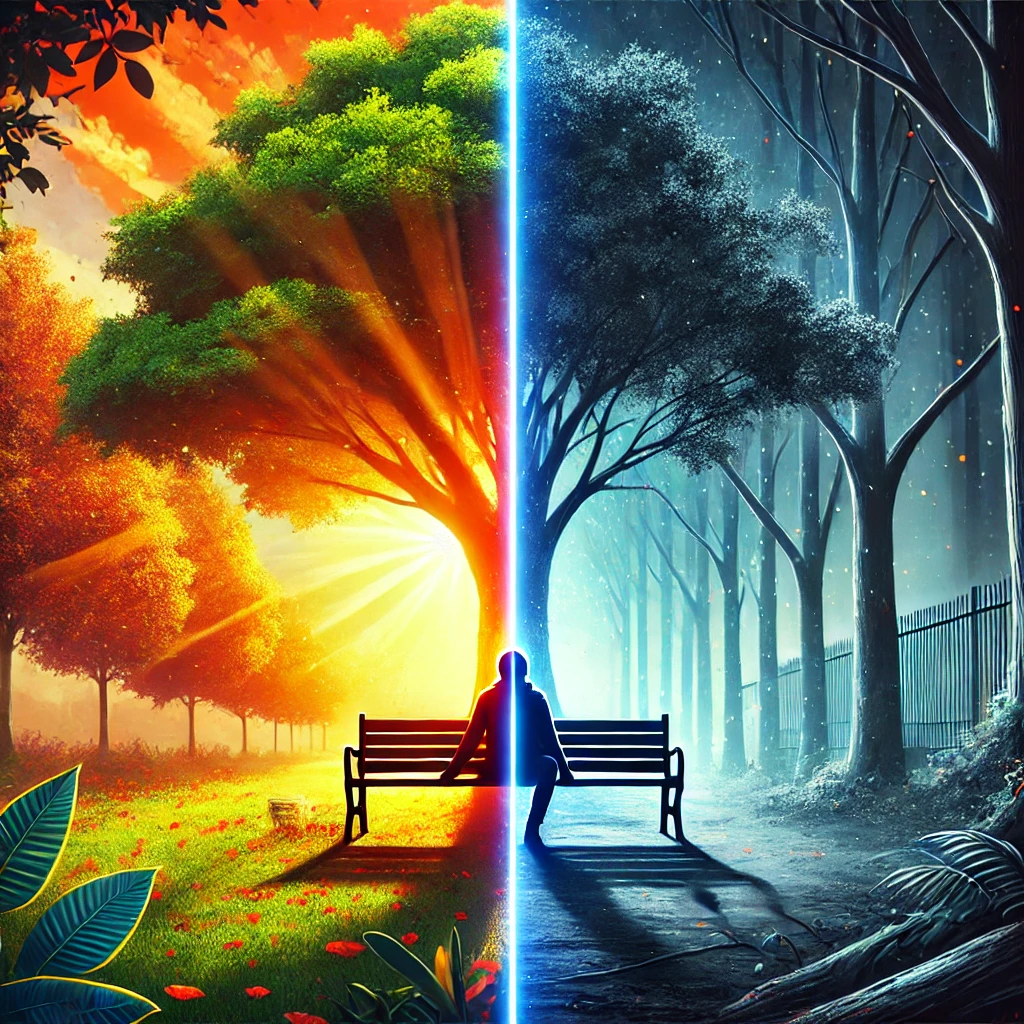
Solitude and loneliness are often confused, but they are fundamentally different. Yet, these two concepts are fundamentally different in their meaning and effect on our lives. Solitude is a choice that brings peace and self-awareness, loneliness is an uninvited feeling of isolation. While one can be a source of peace and self-awareness, the other often brings feelings of emptiness and despair. Understanding the distinction between solitude and loneliness can help us navigate our emotions more effectively and embrace the benefits of alone time without fear. Understanding this distinction can transform how you experience alone time.
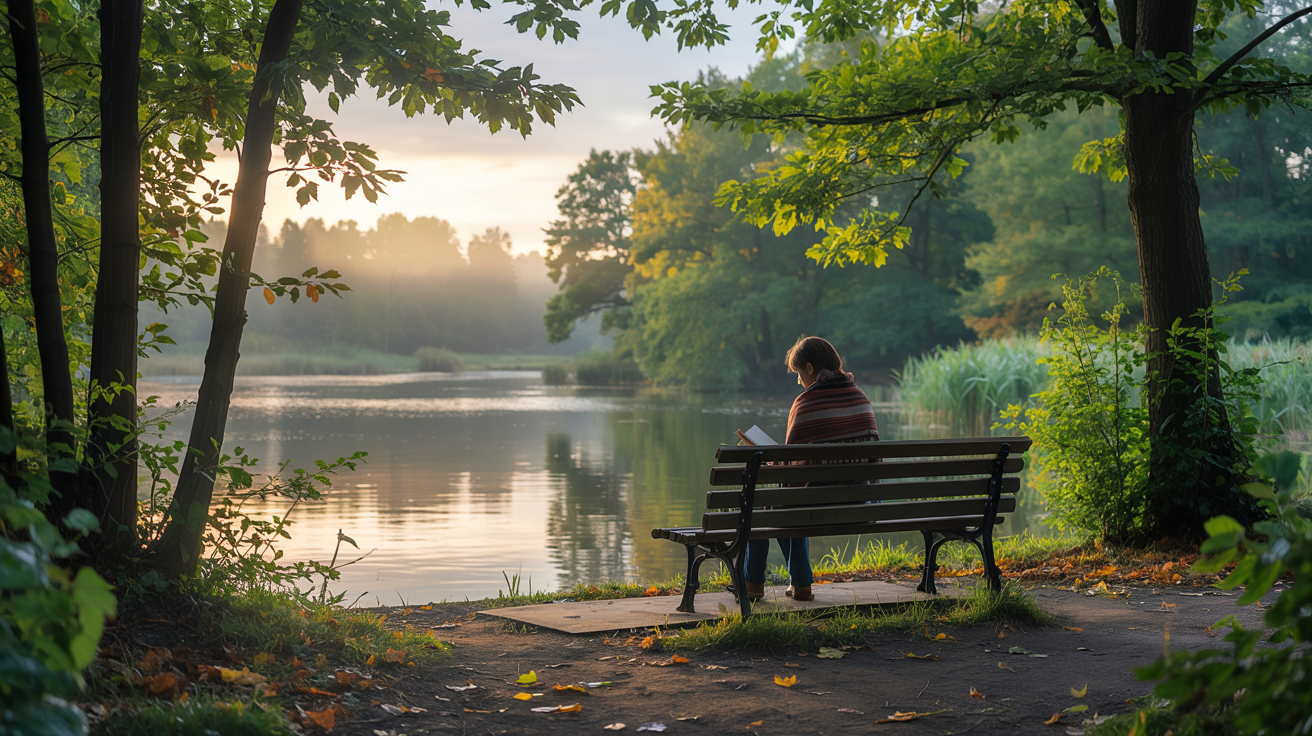
Solitude is a voluntary state of being alone, often pursued as a means of self-reflection, relaxation, or creativity. It’s a choice, a conscious decision to step away from the world and focus on oneself.
Historically, solitude has been celebrated by philosophers, artists, and thinkers. For example, Henry David Thoreau found inspiration in solitude when he wrote Walden, a reflection on simple living and nature.
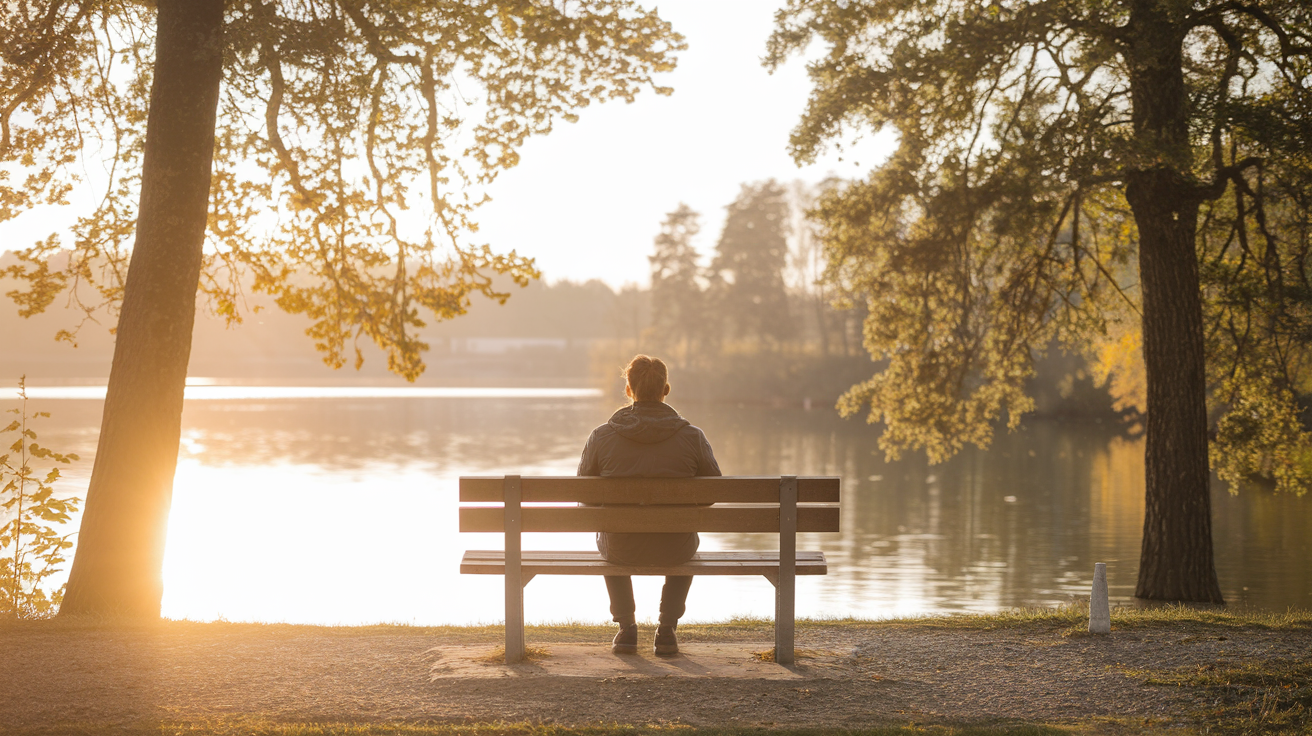
Loneliness, on the other hand, is the painful experience of being alone or feeling disconnected, even when surrounded by people. It’s often uninvited and stems from unmet social needs.
Loneliness is frequently linked to mental health issues like depression and anxiety. Unlike solitude, it doesn’t rejuvenate—it drains.
| Aspect | Solitude | Loneliness |
|---|---|---|
| Nature | Voluntary and intentional. | Involuntary and often unwanted. |
| Emotional Impact | Brings peace, clarity, and renewal. | Causes sadness, emptiness, and discontent. |
| Perception | Seen as a positive experience. | Often viewed negatively. |
| Connection | Connection with self or nature. | Disconnection from others. |
| Outcome | Leads to personal growth and creativity. | Can result in mental and emotional distress. |
Self-Discovery
In solitude, you learn more about yourself. It allows you to:
Boosts Creativity
Solitude gives your mind the space to think freely. Many creative breakthroughs occur during moments of quiet reflection. Writers, artists, and innovators often seek solitude to access their creative potential.
Improves Focus
When alone, distractions are minimized. Solitude helps you focus deeply on tasks, be it work, learning, or a hobby.
Enhances Emotional Resilience
Spending time alone teaches you to rely on yourself for happiness. This self-reliance builds emotional strength and reduces dependence on others for validation.
While solitude can be empowering, loneliness has the opposite effect. Its emotional toll can lead to:
Mental Health Issues
Loneliness is a significant factor in depression and anxiety. Feeling isolated can make you doubt your worth and contribute to a sense of hopelessness.
Physical Health Problems
Studies have shown that chronic loneliness can:
Social Withdrawal
Ironically, loneliness often pushes people further away from social interactions, creating a vicious cycle of isolation.
Reduced Productivity
The mental fatigue caused by loneliness can hinder your ability to focus, affecting both personal and professional life.
Solitude and loneliness can overlap, particularly when solitude becomes prolonged or involuntary. For example:
The key is balance. While solitude is essential for personal growth, human connection is equally vital for emotional well-being.
Set Intentions for Solitude
Choose solitude with purpose—whether for relaxation, creativity, or introspection. Make it meaningful rather than aimless.
Stay Connected
While enjoying solitude, maintain healthy relationships. Regularly check in with loved ones to avoid feelings of isolation.
Engage in Activities You Love
Use your alone time for activities that bring joy—reading, writing, painting, or exploring nature.
Practice Gratitude
Focus on what you have, rather than what you lack. Gratitude can shift your mindset and keep loneliness at bay.
Seek Help When Needed
If loneliness becomes overwhelming, don’t hesitate to reach out for help. Whether through a friend or a therapist, sharing your feelings can make a world of difference.
Ironically, in an era of constant connectivity, loneliness is more prevalent than ever. Social media, while designed to bring people closer, often creates a sense of disconnection.
To combat digital loneliness:
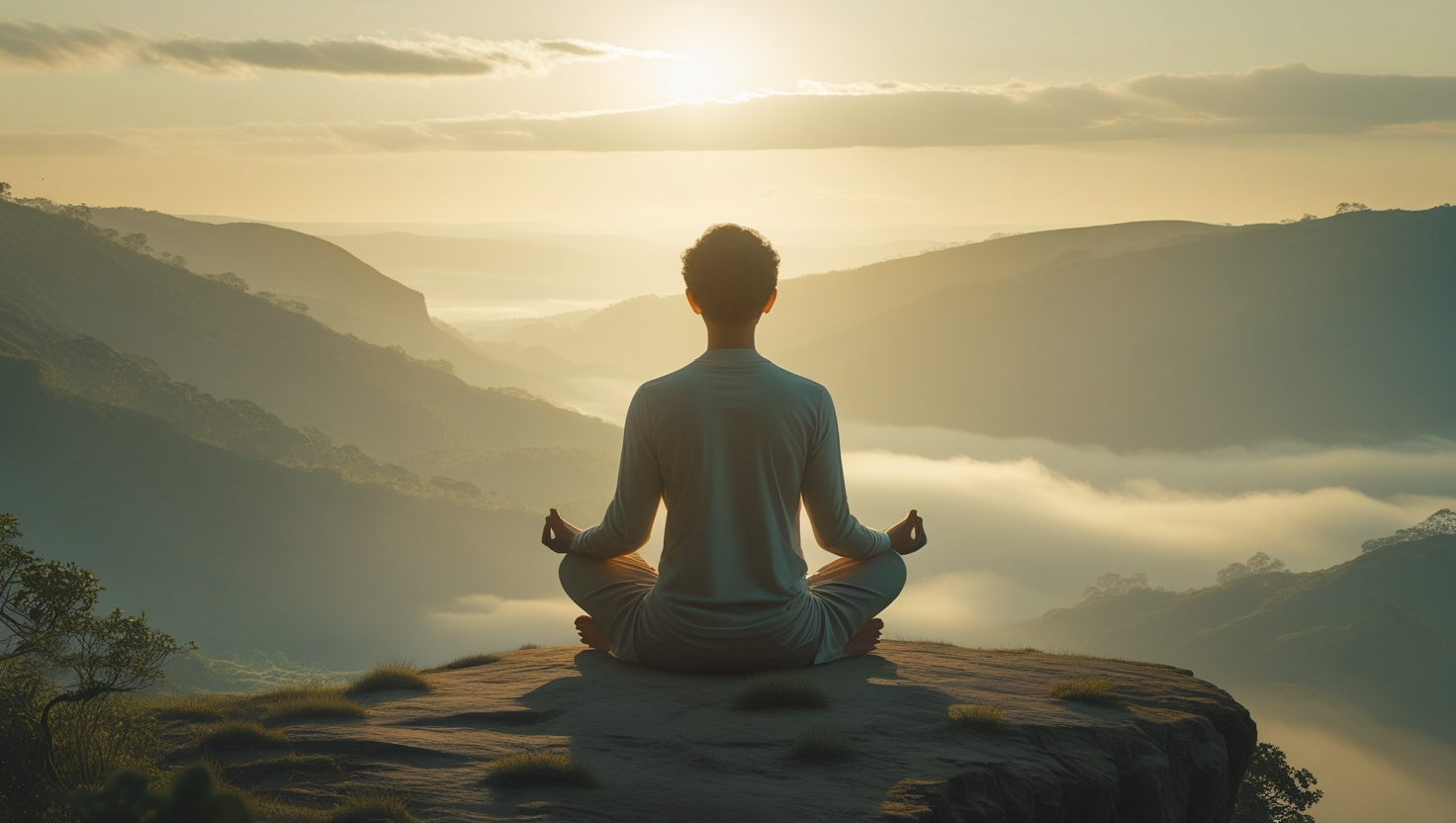
When embraced intentionally, solitude can lead to profound personal growth:
Solitude and loneliness are two sides of the same coin. While loneliness can feel like an emotional prison, solitude is the key to freedom and self-awareness. By understanding the difference, we can embrace solitude as a tool for growth while taking steps to address loneliness when it arises.
In the end, solitude is not something to fear—it is a gift. It is a time to listen to your heart, understand your soul, and reconnect with yourself. By finding the balance between solitude and connection, we can lead richer, more fulfilling lives.