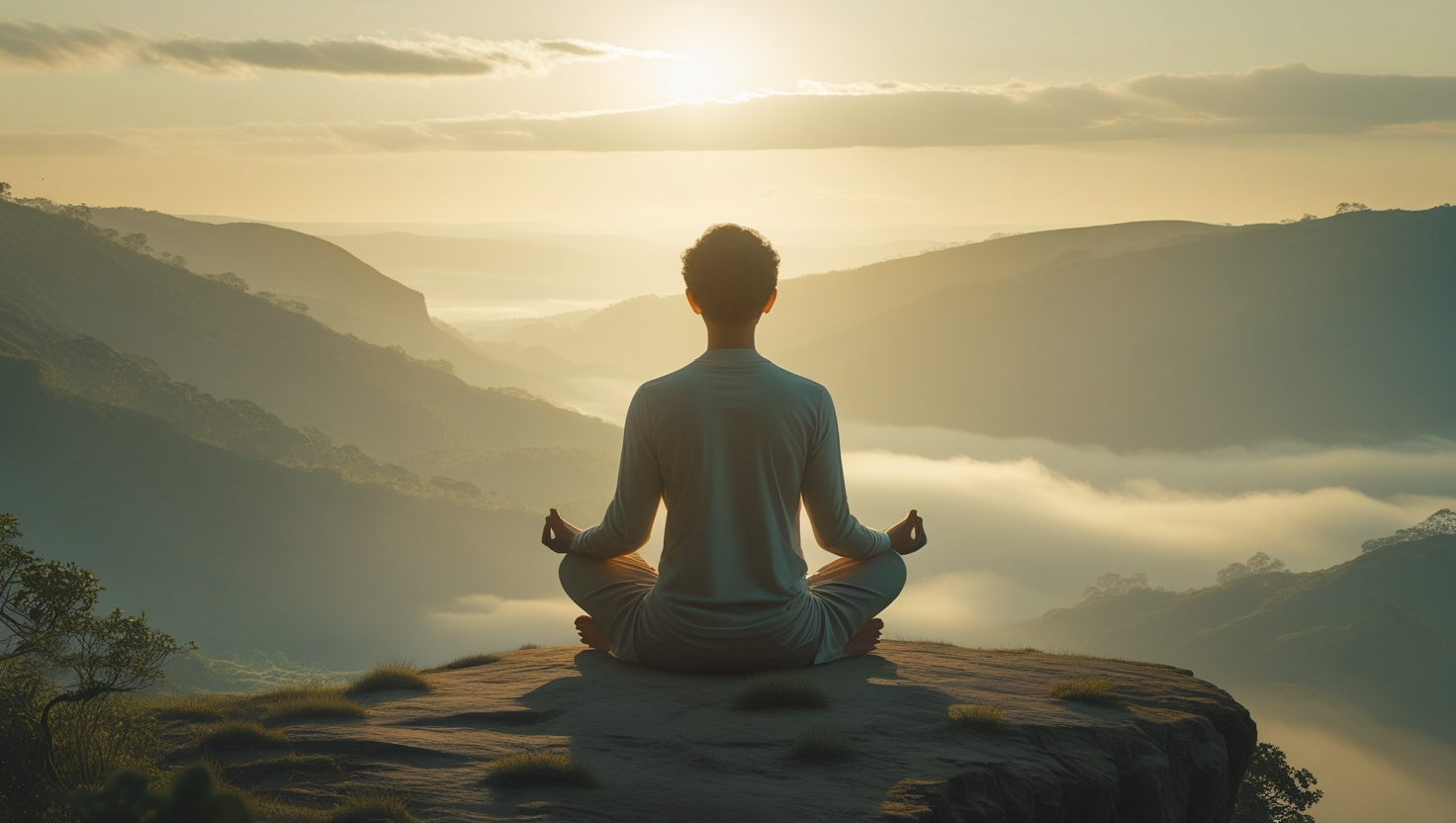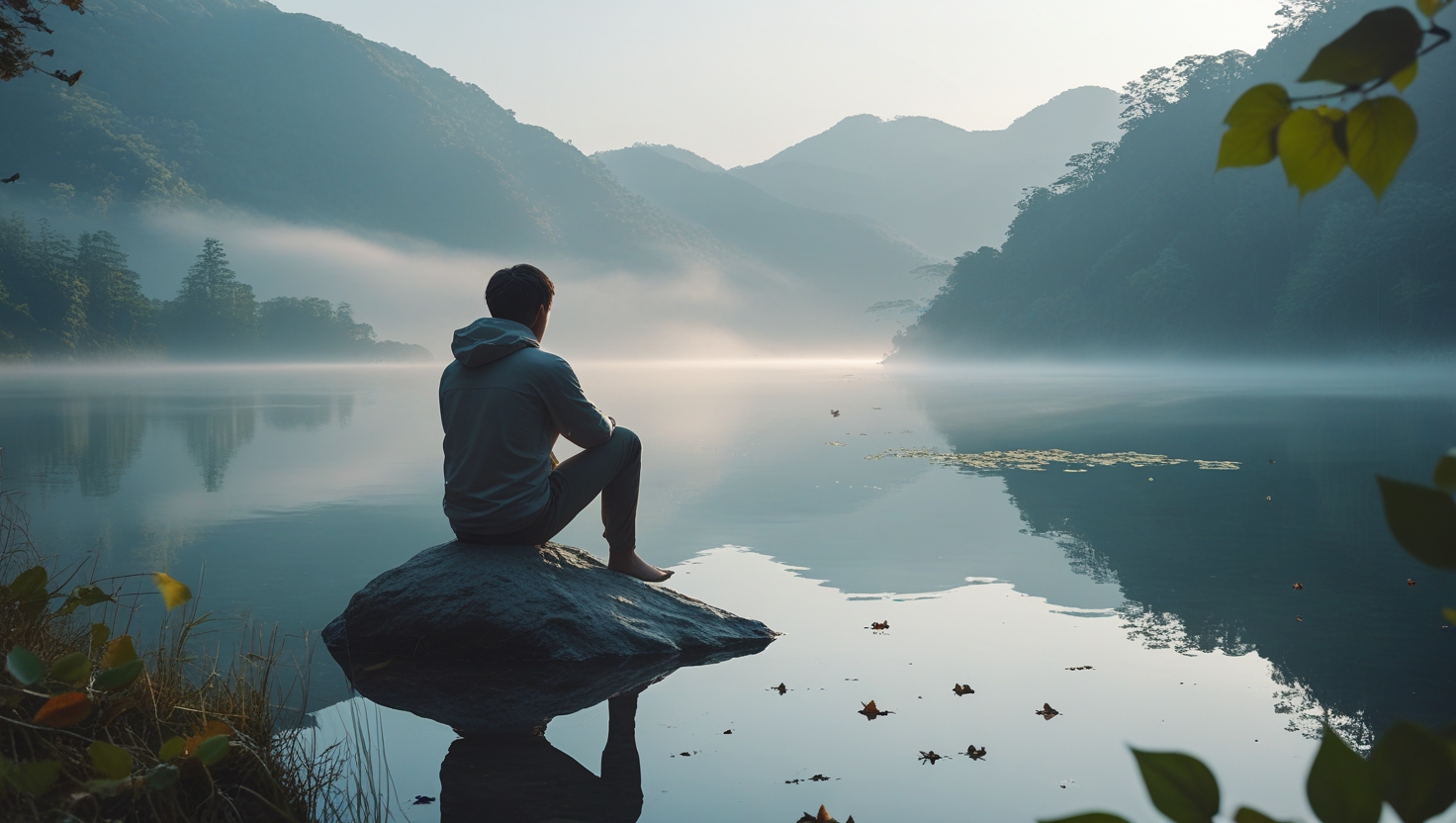


In our modern, fast-paced world, solitude is often misunderstood. It’s viewed as loneliness, an unwelcome void to be filled with noise, people, or distractions. But solitude is not about emptiness; it’s about fullness—the fullness of being present with oneself. It is in solitude that we truly meet ourselves, discover inner peace, and experience a clarity that the external world often obscures.
Solitude is the intentional act of being alone, a choice to step away from the external world to focus inward. It is not isolation; it is a sanctuary a safe space to explore thoughts, feelings, and desires without judgment or distraction.
In solitude, there is no need to perform, conform, or explain. You are free to simply be. This state of being fosters a sense of inner calm, providing a stark contrast to the chaos and expectations of daily life.
The thought of being alone can evoke anxiety for many. This fear often stems from misconceptions about solitude and societal pressure to always be connected.
These fears are valid but can be overcome. Once we embrace solitude, it reveals itself as a source of strength, clarity, and peace.
In solitude, we can hear the quiet voice of our inner self—a voice often drowned out by the demands of daily life.
Inner peace doesn’t come from external achievements; it comes from within. Solitude helps cultivate this peace by:
The mind flourishes in solitude. Without external noise, creativity thrives:
Spending time alone builds emotional resilience. It teaches us to:
While the idea of spending time alone may seem daunting, there are simple ways to ease into the practice and make solitude a fulfilling experience:
Begin with short periods of alone time—perhaps 10–15 minutes a day. Gradually increase the duration as you grow more comfortable.
Incorporate solitude into your daily routine through practices like:
Solitude is most effective when free from digital distractions. Turn off notifications, put your phone on silent, and enjoy the quiet.
Pursue hobbies that you enjoy on your own, such as reading, painting, or gardening. These activities allow you to focus inward and find joy in your own company.
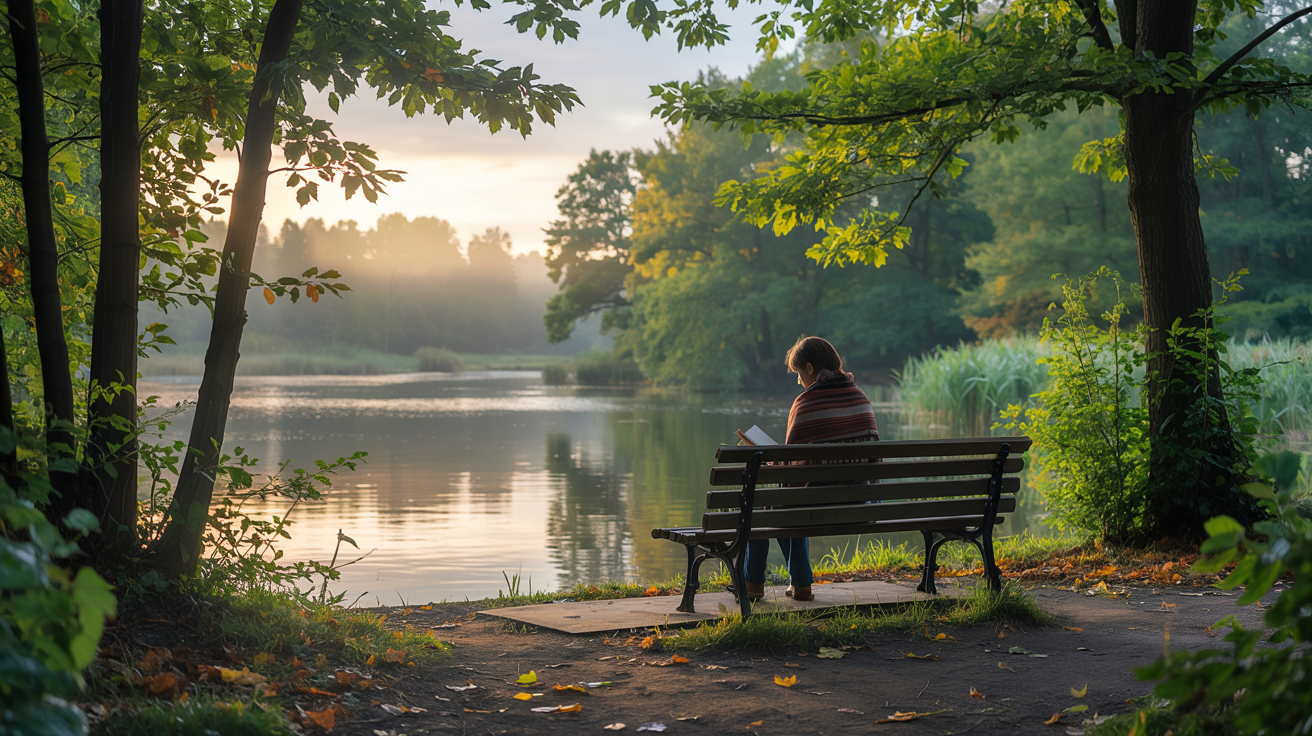
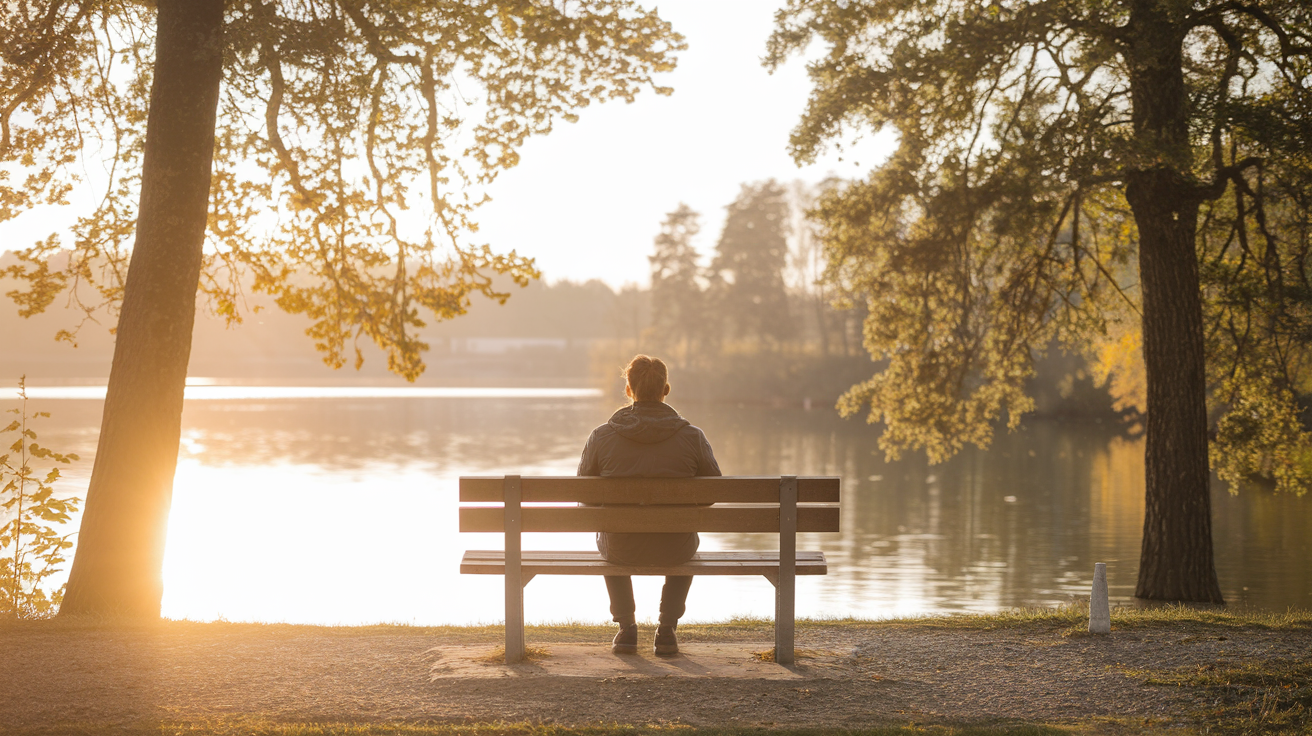
Nature amplifies the benefits of solitude. A walk in the woods, a moment by the sea, or sitting under a tree can bring profound peace.
Vincent van Gogh found solace in solitude while painting in the French countryside. His time alone allowed him to create works that conveyed deep emotion and introspection.
Albert Einstein often attributed his creative insights to time spent alone, contemplating problems without external interference.
Buddhist monks retreat into solitude to meditate and connect with their inner selves, achieving a profound sense of peace and clarity.
Solitude can initially feel uncomfortable, as it brings suppressed emotions to the surface. Embrace this discomfort as a step toward healing and growth.
Solitude doesn’t mean isolation. Balance alone time with meaningful social interactions to maintain emotional well-being.
Understand that solitude is a choice and a gift, while loneliness is a feeling that can be addressed through connection and support.
Across cultures and religions, solitude is often seen as a sacred practice.
These traditions highlight solitude as a bridge to deeper understanding and connection with the divine.
In solitude, take a moment to reflect on the things you’re grateful for. This practice fosters contentment and positivity.
Simple breathing exercises during alone time can reduce stress and enhance mindfulness.
Pay attention to your thoughts and feelings. Let them guide you toward understanding and resolution.
Solitude is an opportunity to let go of past regrets and future worries, anchoring yourself in the present.
The beauty of solitude lies in its ability to reconnect us with ourselves. It’s a reminder that peace, clarity, and fulfillment are not found in the noise of the world but in the quiet moments we spend alone.
By embracing solitude, we discover the richness of our inner lives and the strength within us to face life’s challenges with grace. Solitude is not something to fear—it is a gift, a sanctuary, and a source of profound beauty.
So, take a step back, find a quiet corner, and embrace the stillness. You might just find that the peace you’ve been searching for has been within you all along.
“In solitude, we find ourselves. In finding ourselves, we find peace.”