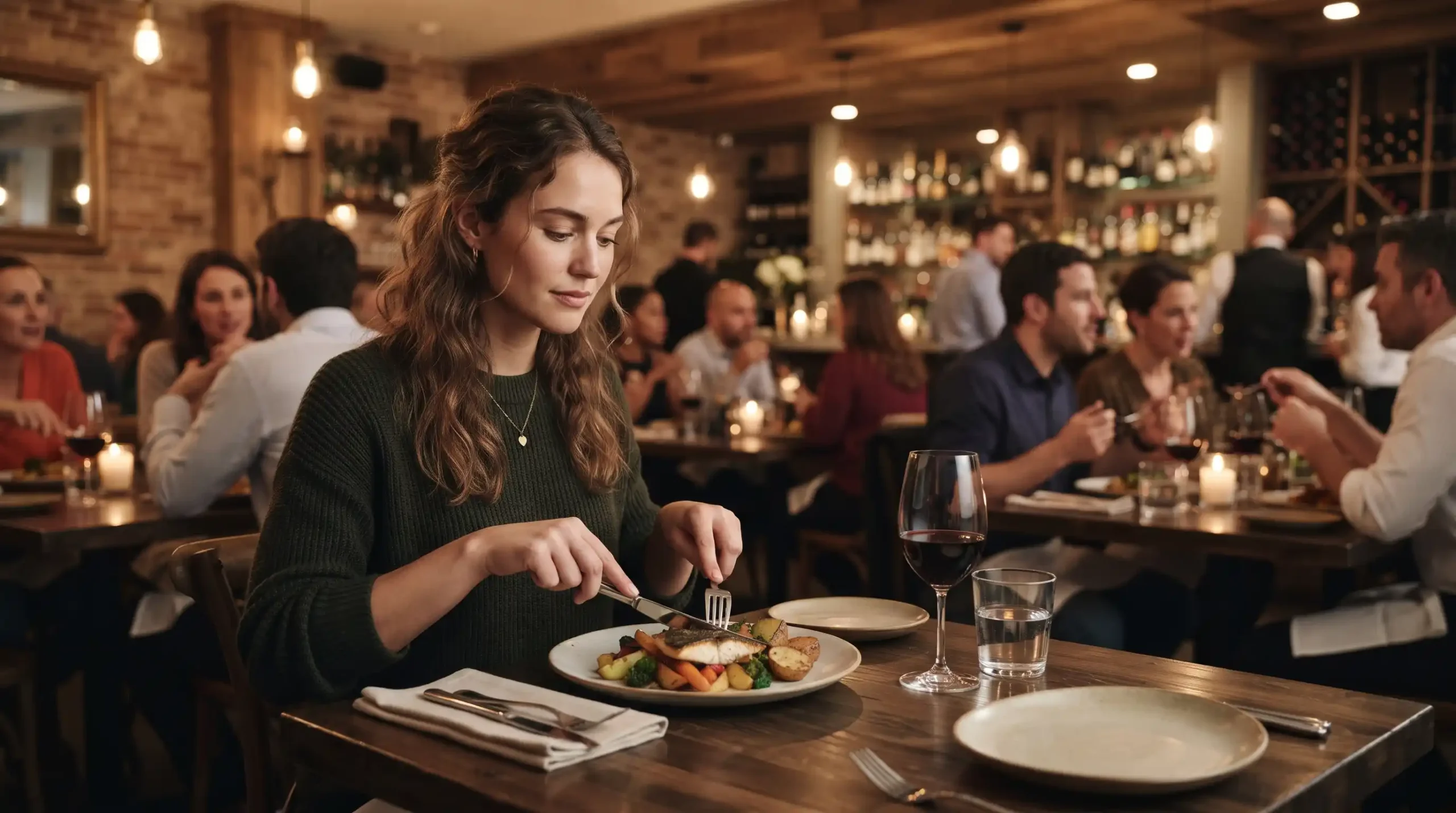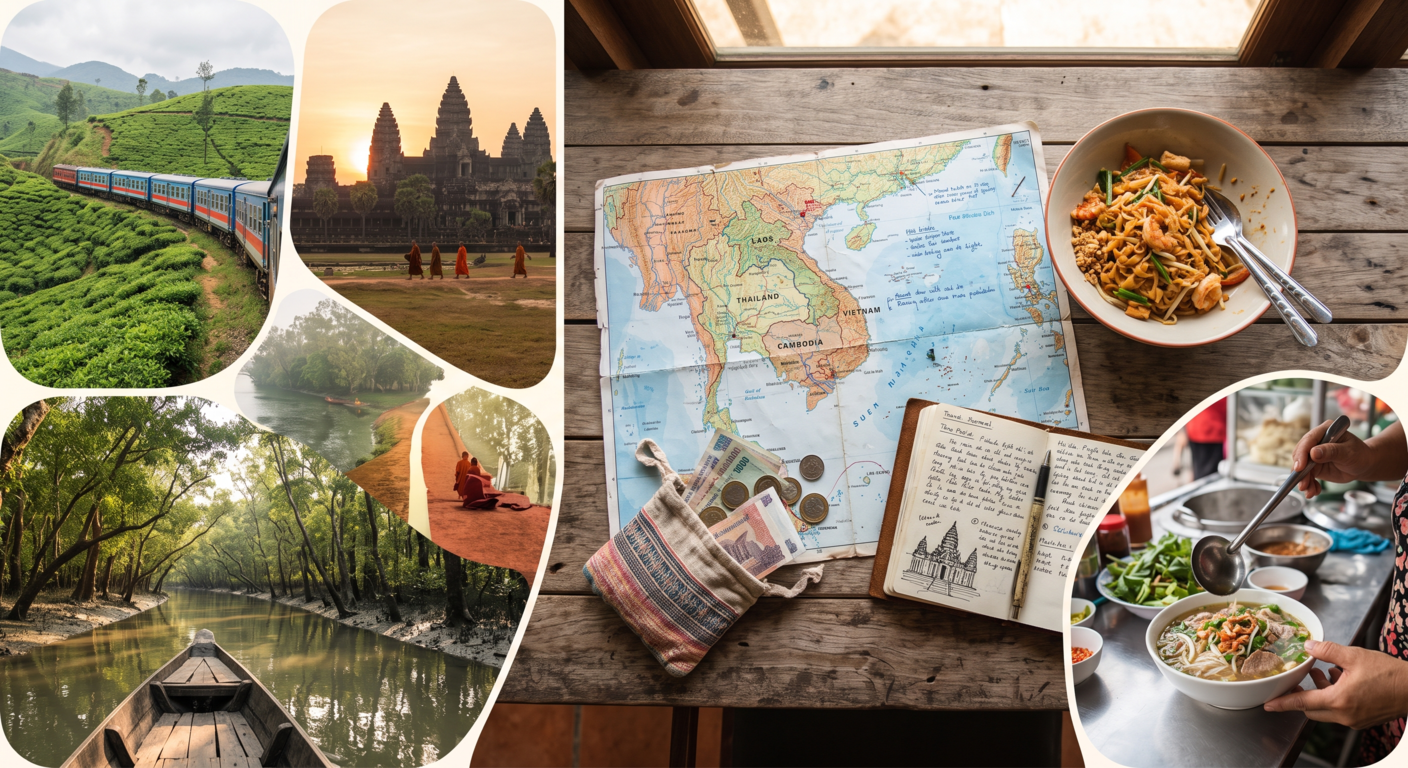


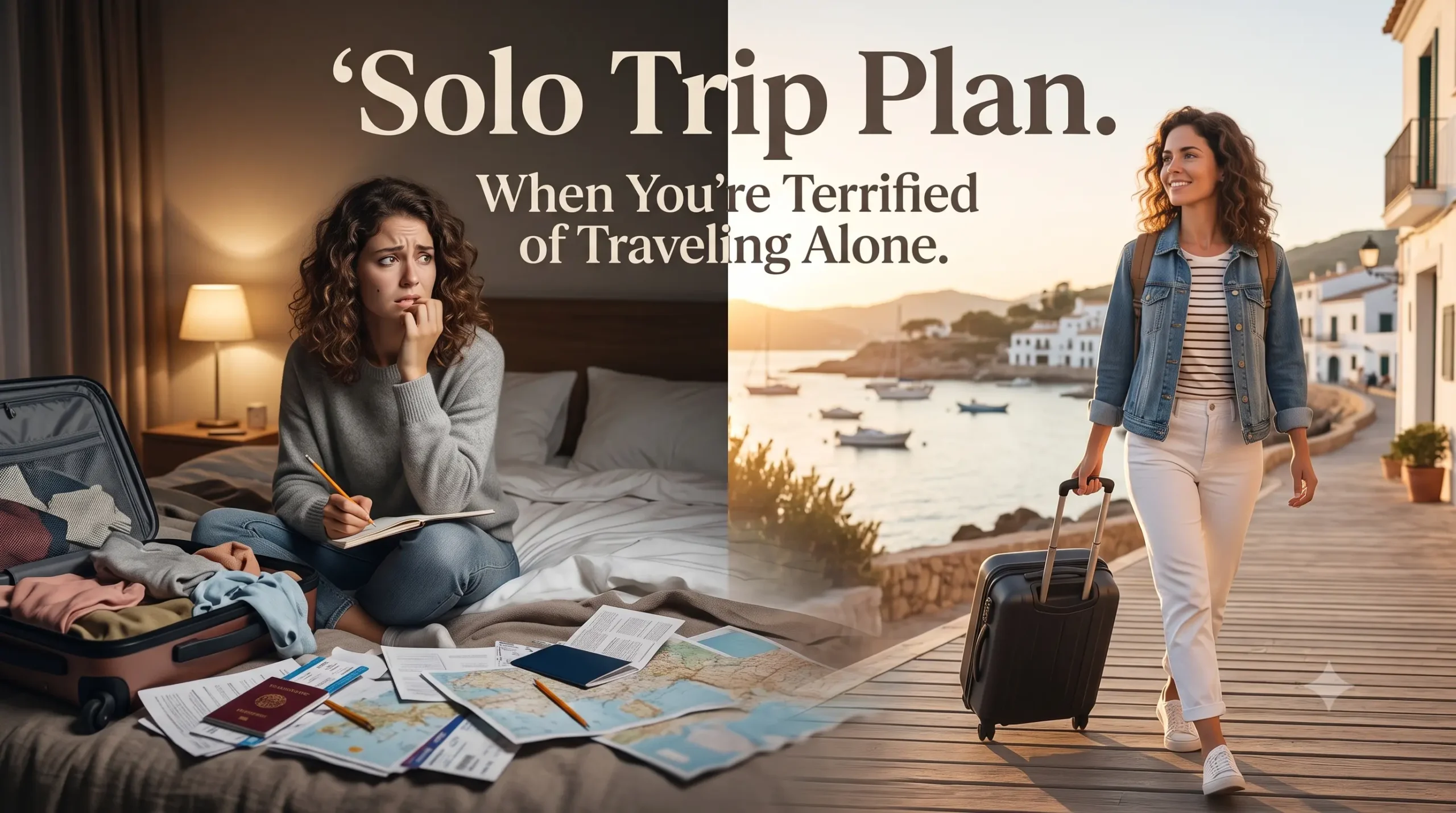
Somewhere between admiring other people's solo travel photos on social media and actually booking your own ticket, a very specific kind of fear tends to creep in. What if you get lost? What if something goes wrong and there's no one beside you to help? What if you feel unbearably lonely by day two?
If this sounds familiar, you're not alone in feeling alone about it. Fear is one of the most common reasons people put off solo travel for years, sometimes indefinitely. The good news is that this fear is rarely a sign you're unsuited for solo travel; it's usually a sign you haven't yet built a plan solid enough to quiet it.
This guide is written specifically for beginners who feel genuinely nervous, not just mildly hesitant, about traveling alone. We'll walk through a practical, fear-to-confidence path: understanding where the fear comes from, how to plan around it rather than ignore it, and how to take the first trip in a way that builds real confidence instead of just hoping it appears.
Fear of solo travel usually isn't really about travel at all; it's about uncertainty, and specifically the absence of a familiar person to share that uncertainty with. When you travel with someone else, responsibility for navigation, decisions, and even emotional support is shared. Traveling alone means all of that sits with you, which can feel overwhelming before you've had the chance to prove to yourself that you can actually handle it.
This fear is not irrational, and it shouldn't be dismissed with generic advice like "just go for it." Real confidence comes from real preparation. The goal isn't to eliminate fear before you leave; it's to build enough structure and support around your trip that the fear becomes manageable rather than paralyzing.
One of the biggest mistakes nervous first-timers make is choosing an ambitious, far-flung trip as their very first solo experience. A three-week backpacking trip across an unfamiliar continent is an enormous first step for anyone, let alone someone already anxious about traveling alone.
Instead:
Confidence is built the same way physical strength is, through gradually increasing, manageable challenges, not by attempting the hardest version first.
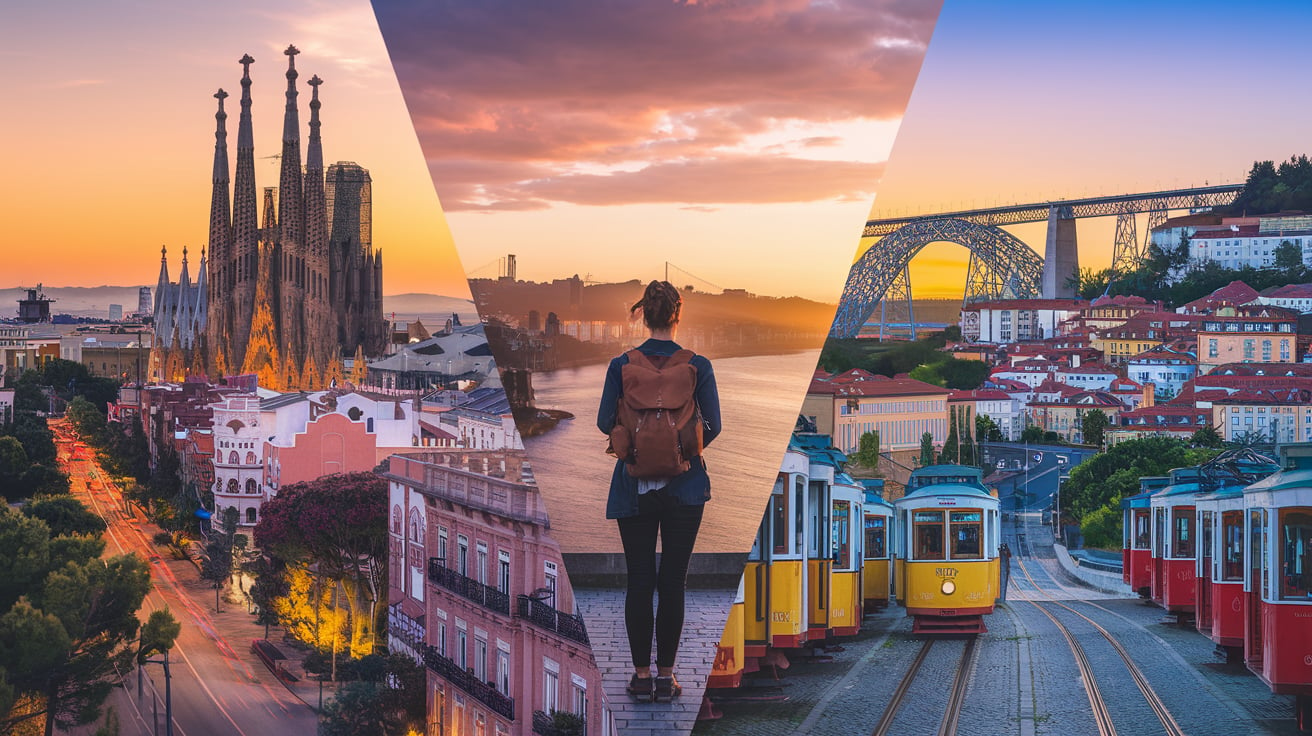
Not every destination is equally suited for a nervous first-time solo traveler, and that's completely fine to acknowledge.
Look for destinations that offer:
Research isn't just about logistics here; it's a genuine confidence-building tool. The more specific and accurate your mental picture of a destination, the smaller the unknown feels once you actually arrive.
A significant part of solo travel fear comes from imagining worst-case scenarios with no plan for handling them. Building a safety net directly addresses this.
Before you leave, put these in place:
None of this is about assuming something will go wrong. It's about removing the mental weight of not knowing what you'd do if something did, which is often the real source of anxiety, more than any specific danger itself.
The first day of a solo trip is almost always the most nerve-wracking, simply because everything is unfamiliar at once. Reducing decision-making in this window can dramatically lower first-day anxiety.
Think of your first 24 hours as scaffolding. Once you're through them and realize you've handled the unfamiliarity just fine, the rest of the trip tends to feel considerably lighter.
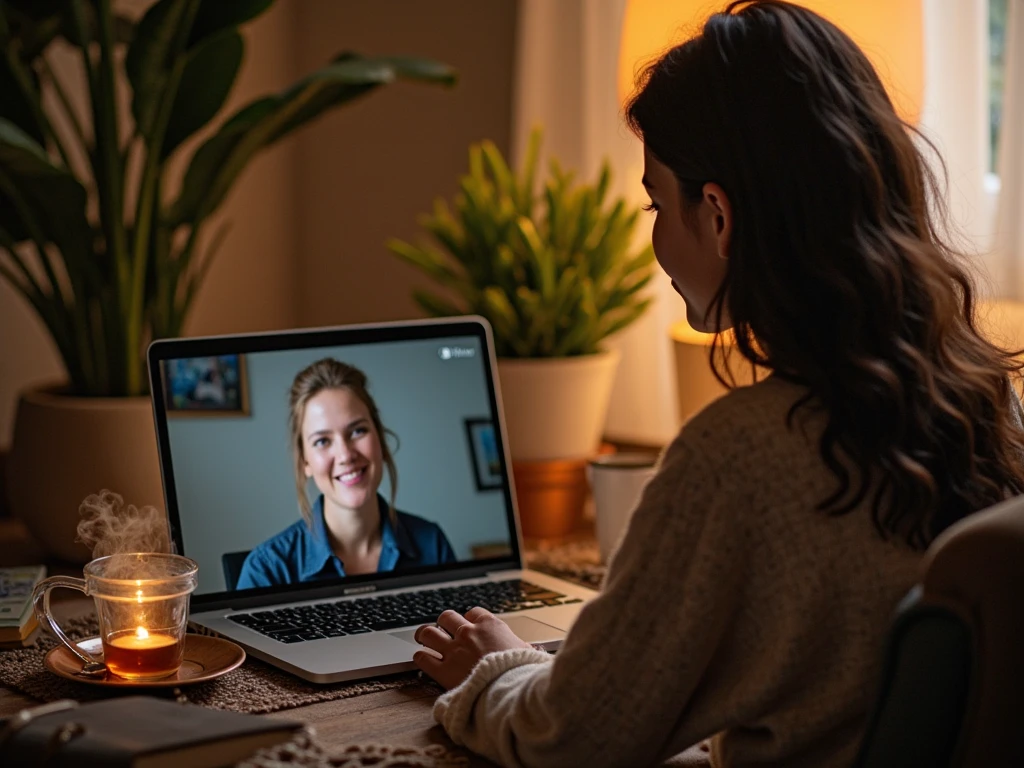
Many first-time solo travelers prepare extensively for physical safety but overlook emotional preparation — and loneliness, not danger, is often the harder challenge to manage.
Even with careful planning, some anxiety will likely show up once you're actually there, and that's completely normal.
Is it normal to feel scared before a solo trip, even after planning carefully? Yes. Preparation reduces fear, but it rarely eliminates it, especially before your first trip. The goal is manageable nervousness, not the complete absence of it.
How do I know if I'm ready for solo travel? Readiness isn't a fixed feeling you wait to arrive at; it's built through action. A well-planned short trip is often the fastest way to actually become ready, rather than waiting to feel ready first.
What's the safest way to travel alone as a beginner? Choosing a beginner-friendly destination, sharing your itinerary with someone you trust, arranging accommodation and transport in advance, and setting a daily check-in habit together form the foundation of safe solo travel.
Will I get lonely traveling alone? Likely, at some point, and that's normal. Balancing solitude with occasional social touchpoints, like a group activity or sociable accommodation, tends to prevent loneliness from becoming overwhelming.
Fear of traveling alone rarely disappears through willpower or simply "deciding" to be brave. It fades through preparation, small steps, and the quiet proof that comes from actually doing it once. Your first solo trip doesn't need to be adventurous, far-flung, or Instagram-worthy; it just needs to be manageable enough that you finish it feeling a little more capable than when you started.
That feeling, more than any single itinerary detail, is what turns a terrified first-timer into someone who genuinely looks forward to their next trip alone.