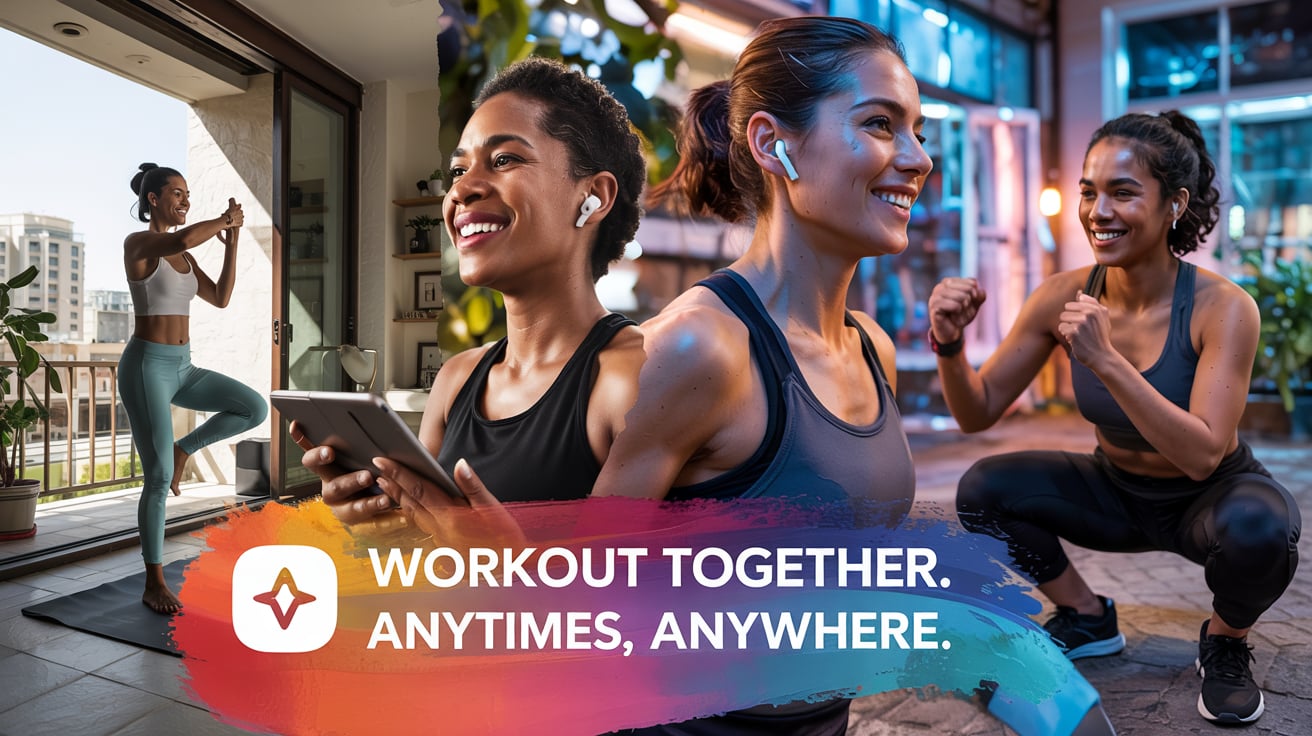


In recent years, fitness apps have revolutionized the way people approach health and exercise. What started as simple step trackers or calorie counters has evolved into comprehensive platforms that offer everything from personalized workout plans to social challenges. But beyond the physical benefits, fitness apps are increasingly addressing emotional and social needs. They foster connection, motivation, and a sense of community that can transform fitness from a solitary endeavor into a shared experience.
Fitness apps have come a long way since their inception. Early versions focused on tracking basic metrics like steps, distance, or calories burned. While helpful, these apps were primarily about individual progress.
Today’s fitness apps offer a broad array of features designed to enhance user experience and keep people engaged:
These advancements have made fitness apps not just tools for exercise but platforms for building relationships and finding encouragement.
One of the most powerful ways fitness apps foster connection is by creating virtual communities. Platforms like Strava, Fitbit, and MyFitnessPal allow users to interact with others who share similar fitness goals. These communities often become a source of support, encouragement, and accountability.
Example: Strava’s social feed enables users to share their runs, rides, or swims, complete with photos, maps, and metrics. Friends can leave “kudos” or comments, creating a sense of camaraderie.
By engaging with others in these communities, users feel part of something larger than themselves. This sense of belonging is especially important for individuals who may not have access to in-person workout groups or gyms.
Fitness apps often host group challenges that encourage users to work toward a shared goal. Whether it’s walking a certain number of steps in a month or participating in a virtual marathon, these challenges create a collaborative environment.
Participating in a challenge with friends, coworkers, or even strangers can enhance motivation. Users are less likely to skip workouts when they know others are counting on them to contribute to a team effort.
Example: Fitbit frequently runs group challenges like “Workweek Hustle,” where participants compete to see who can log the most steps in a week. This friendly competition motivates users to stay active and engaged.
Fitness apps bridge geographical gaps, enabling people to connect regardless of location. This is particularly beneficial for friends or family members who live far apart but want to stay active together.
Apps like Peloton and Zwift offer live workout classes and virtual training environments where users can join sessions simultaneously, creating a shared experience even when apart.
Example: Zwift simulates real-world cycling routes, allowing users to ride alongside others in a virtual space. Friends can join rides together, providing the same sense of connection as an in-person group ride.
Fitness apps are designed to help users set and track their goals, providing tangible evidence of progress. This sense of achievement is a powerful motivator, encouraging users to keep going.
Many apps offer daily streaks, milestone badges, or personalized insights that celebrate achievements, no matter how small. These features create a positive feedback loop, making users feel good about their efforts and inspiring them to push further.
Example: Apps like Nike Training Club reward users with badges for completing challenges or reaching workout milestones, keeping them motivated to continue.
Gamification—the use of game-like features in non-game contexts—is a key component of many fitness apps. By turning exercise into a fun and engaging activity, gamification helps users stay consistent.
Features like leaderboards, points systems, and rewards encourage users to complete workouts, beat personal bests, and engage with the app regularly.
Example: Charity Miles motivates users by donating to a chosen charity for every mile walked, run, or biked. This gamified approach not only inspires physical activity but also gives users a sense of purpose.
Modern fitness apps use artificial intelligence (AI) and machine learning to provide personalized coaching. These tailored recommendations make workouts more effective and enjoyable, which increases motivation.
Real-time feedback during workouts helps users improve their form and performance, ensuring they get the most out of each session.
Example: Freeletics creates customized workout plans based on a user’s fitness level and goals, adapting over time as they progress.
While it might seem simple, push notifications play a significant role in motivation. Regular reminders to log a workout, drink water, or hit a step goal keep fitness top of mind.
Example: Apps like C25K send motivational messages to users throughout their training programs, reminding them to stay on track.
Beyond physical fitness, these apps contribute to improved mental well-being. Exercise has been shown to reduce stress, anxiety, and depression, and fitness apps amplify these benefits by adding social and motivational elements.
For individuals who may not have access to in-person fitness groups or feel intimidated by gyms, fitness apps offer a sense of community. Virtual connections can alleviate feelings of loneliness and provide emotional support.
Fitness apps often include wellness features like meditation, sleep tracking, and nutrition guidance. These holistic tools help users develop healthier habits, contributing to overall mental well-being.
While fitness apps have numerous benefits, they also come with challenges:
To overcome these challenges, users should choose apps that align with their goals and values, and prioritize balance in their fitness journey.
To make the most of fitness apps, consider these tips:
Fitness apps have transformed the way people approach health and exercise. By fostering connection, encouraging friendly competition, and providing personalized guidance, these platforms go beyond physical fitness to address emotional and social well-being.
Whether you’re looking to connect with friends, stay accountable, or find a supportive community, fitness apps offer something for everyone. In a world that’s increasingly digital, they serve as a reminder that even virtual connections can have a profound impact on our health and happiness.
By embracing the opportunities these apps provide, users can stay motivated, build lasting habits, and enjoy the journey to a healthier, more connected life.